
Hypertension
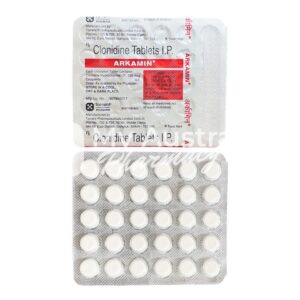
Clonidine
from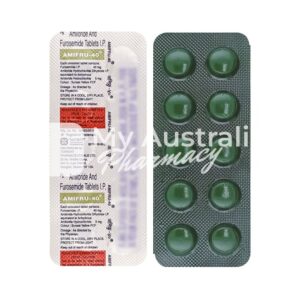
Frusemix
from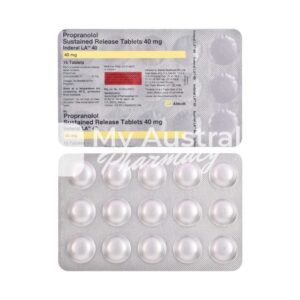
Inderal La
from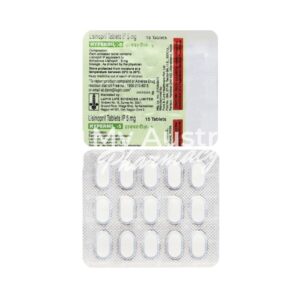
Lisinopril
from
Minoxidil
from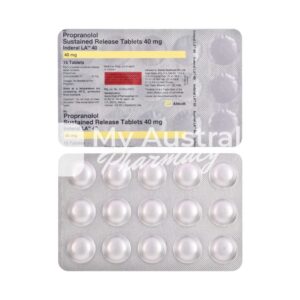
Propranolol
from
Telmisartan
fromUnderstanding High Blood Pressure
Hypertension, commonly known as high blood pressure, is a chronic condition where the force of blood against artery walls is consistently too high. In Australia, hypertension affects millions of people and is a leading risk factor for serious health complications. Blood pressure is measured in two numbers: systolic pressure (the force when your heart beats) and diastolic pressure (the force when your heart rests between beats). A normal blood pressure reading is below 120/80 mmHg, whilst hypertension typically begins at 130/80 mmHg or higher.
This condition often develops gradually over many years without noticeable symptoms, earning it the nickname “the silent killer.” Many Australians live with hypertension without realising they have it, which is why regular blood pressure monitoring is essential. Understanding your blood pressure numbers and what they mean is the first step towards managing your cardiovascular health effectively.
Causes and Risk Factors
Hypertension can develop from various causes, and understanding these factors helps in both prevention and management. Primary hypertension, which accounts for most cases, develops gradually over time without an identifiable secondary cause. Secondary hypertension, though less common, results from underlying conditions such as kidney disease, thyroid problems, or sleep apnoea.
Several risk factors increase your likelihood of developing high blood pressure:
- Age, as blood pressure tends to rise with advancing years
- Family history, as hypertension often runs in families
- Excessive salt intake and poor dietary choices
- Obesity and physical inactivity
- Heavy alcohol consumption
- Chronic stress and inadequate sleep
- Underlying medical conditions such as diabetes, kidney disease, and thyroid disorders
Understanding which risk factors apply to you can guide lifestyle modifications and early intervention strategies to prevent or delay the onset of hypertension.
Symptoms and Complications
Most people with hypertension experience no symptoms, which makes regular monitoring crucial for early detection. Some individuals may experience headaches, shortness of breath, nosebleeds, or chest discomfort, though these symptoms are not specific to high blood pressure. This asymptomatic nature means many Australians remain unaware of their condition until complications arise.
If left untreated, hypertension can lead to serious health complications. Heart disease is a primary concern, as sustained high blood pressure damages the heart muscle and increases heart attack risk. Stroke can occur when blood vessels in the brain rupture or become blocked. Kidney disease develops as hypertension damages the blood vessels in the kidneys, potentially leading to kidney failure. Other complications include vision problems from retinal damage, heart failure from the heart’s inability to pump effectively, and vascular dementia from reduced blood flow to the brain. Early diagnosis and proper management significantly reduce these risks.
Available Medications in Australia
Australia’s pharmaceutical market offers several effective antihypertensive medications, often used individually or in combination to achieve optimal blood pressure control. Your healthcare provider will recommend the most suitable medication based on your specific condition, other health factors, and potential side effects.
ACE Inhibitors
Medications such as enalapril, lisinopril, and ramipril are commonly prescribed first-line treatments. These medications relax blood vessels by preventing angiotensin II formation, reducing blood pressure effectively whilst offering additional cardiovascular protection.
Angiotensin II Receptor Blockers (ARBs)
Including losartan, valsartan, and irbesartan, these work similarly to ACE inhibitors and are excellent alternatives for those experiencing ACE inhibitor side effects such as persistent cough.
Beta-blockers
Medications like atenolol, metoprolol, and bisoprolol reduce heart rate and force of contraction, lowering blood pressure. These are particularly beneficial for patients with heart disease or previous heart attacks.
Calcium Channel Blockers
Such as amlodipine, diltiazem, and verapamil relax blood vessel muscles, allowing easier blood flow. Amlodipine is particularly popular in Australia due to its effectiveness and tolerability.
Diuretics
Including hydrochlorothiazide and furosemide help kidneys eliminate sodium and water, reducing blood volume and pressure. These are often used as initial therapy, particularly in Australian primary care settings.
Combination Medications
Available where two active ingredients are combined in a single tablet, combination medications improve medication adherence and convenience for patients requiring multiple agents.
Lifestyle Modifications and Prevention
Whilst medication is often necessary, lifestyle changes form the foundation of effective hypertension management and prevention. These modifications can significantly reduce blood pressure and decrease medication requirements over time.
Dietary Changes
Reducing sodium intake to less than 2,300 milligrams daily substantially lowers blood pressure. The DASH diet (Dietary Approaches to Stop Hypertension), rich in fruits, vegetables, whole grains, and lean proteins, has proven effective for many Australians. Limiting alcohol consumption, avoiding excessive caffeine, and reducing saturated fats further support blood pressure management.
Regular Physical Activity
Exercise is essential for cardiovascular health. Aim for at least 150 minutes of moderate-intensity exercise weekly, such as brisk walking, swimming, or cycling. Exercise strengthens the heart, improves blood vessel function, and helps maintain healthy weight.
Weight Management
Losing even 5–10% of body weight can produce meaningful improvements in blood pressure readings. Sustainable weight management through balanced nutrition and regular activity offers significant health benefits beyond blood pressure control.
Stress Reduction
Techniques including meditation, yoga, deep breathing exercises, and mindfulness help manage blood pressure effectively. Adequate sleep, maintaining consistent sleep schedules, and treating sleep disorders also contribute to better blood pressure control.
Smoking Cessation
Immediately improves cardiovascular health and reduces hypertension-related complications substantially. If you smoke, quitting is one of the most important steps you can take for your health.
Monitoring and Management Strategies
Effective hypertension management requires consistent monitoring and adjustment of treatment plans. Regular blood pressure checks, either at home or through healthcare providers, help track progress and guide treatment modifications.
Home Blood Pressure Monitoring
Allows you to track readings regularly and identify patterns. Australian pharmacies stock various blood pressure monitors, from manual to automatic devices. Recording readings daily or several times weekly provides valuable information for your healthcare provider and helps you understand how your lifestyle choices affect your blood pressure.
Regular Medical Appointments
Ensure your treatment plan remains effective. Your doctor will review medications, assess side effects, and adjust therapy as needed. Annual check-ups at minimum are recommended, though those with uncontrolled hypertension require more frequent visits.
Medication Adherence
Crucial for success. Taking medications exactly as prescribed, even when feeling well, prevents blood pressure complications. Many Australians use medication reminders, pill organisers, or pharmacy automated dispensing systems to maintain consistent adherence.
Lifestyle Tracking
Alongside blood pressure monitoring helps identify which modifications most effectively lower your numbers. Keeping a health journal noting diet, exercise, stress levels, and blood pressure readings provides insights into personal triggers and effective strategies.
Regular Health Screening
Including cholesterol checks, kidney function tests, and diabetes screening helps identify other cardiovascular risk factors requiring management. Comprehensive cardiovascular health assessment guides holistic treatment approaches beyond blood pressure control alone, ensuring all aspects of your health are properly managed.