
Pain Relief
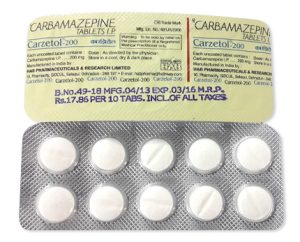
Carbamazepine
from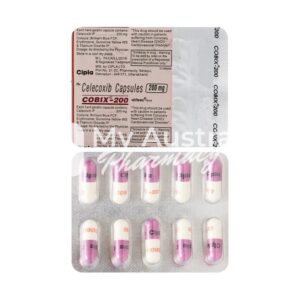
Celebrex
from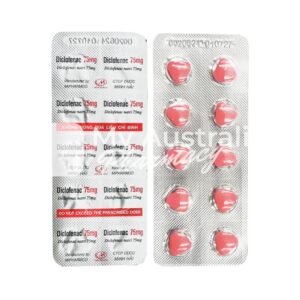
Diclofenac
from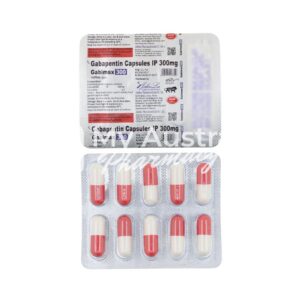
Gabapentin
from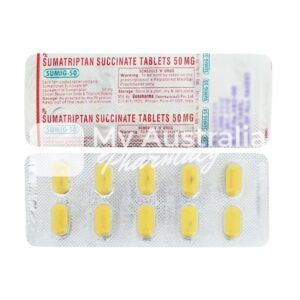
Imigran
from
Indocid
from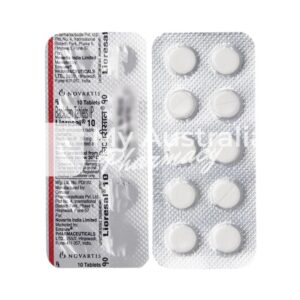
Lioresal
from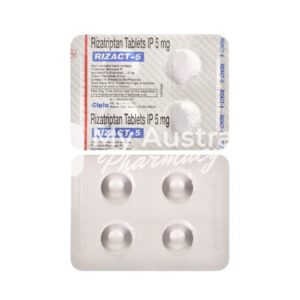
Maxalt
from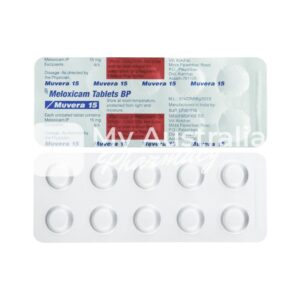
Mobic
from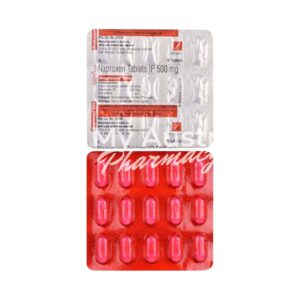
Naprosyn
from
Phenazopyridine
from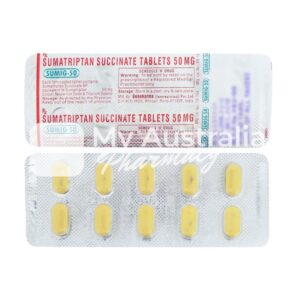
Sumatriptan
from
Toradol
from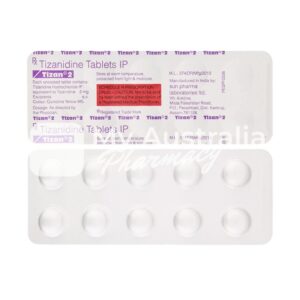
Zanaflex
fromUnderstanding Pain Relief Medications
Pain relief medications work by reducing signals sent to the brain or by decreasing inflammation in the body. There are several types of pain relief options available, each suited to different kinds of pain and individual needs. Whether you’re dealing with headaches, muscle aches, or chronic pain, understanding your options helps you choose the most appropriate treatment.
Over-the-counter and prescription medications offer various strengths and delivery methods to suit your specific requirements. It’s important to follow recommended dosages and consult with a healthcare professional if pain persists beyond a reasonable timeframe. Australian pharmacies stock a wide range of pain relief products that meet strict safety standards, ensuring you have access to quality medications.
Many people find relief through a combination of medication and other therapies, creating a comprehensive approach to pain management. Always read labels carefully and be aware of any potential side effects or interactions with other medicines you may be taking. Taking time to understand your pain relief options empowers you to make informed decisions about your health and wellbeing.
Paracetamol and Acetaminophen Products
Paracetamol is one of the most commonly used pain relievers in Australia and is available under various brand names including Panadol, Tylenol, and generic versions. This medication is effective for mild to moderate pain including headaches, dental pain, and general aches. Paracetamol works by reducing pain signals in the brain and can also help reduce fever, making it versatile for many household health needs.
It’s suitable for adults and children, with different formulations available for each age group. Common paracetamol products include standard tablets, soluble powders, and liquid formulations for easier consumption. The typical adult dose is 500–1000mg every 4–6 hours, not exceeding 4000mg daily. Paracetamol is gentle on the stomach compared to some other pain relievers, making it suitable for people with sensitive digestion.
It’s widely available at Australian pharmacies without prescription and is affordable for regular use. However, it’s crucial not to exceed the maximum daily dose as this can cause liver damage. Always follow the instructions on the packaging and consult your pharmacist if you’re unsure about the appropriate dosage for your situation.
Non-Steroidal Anti-Inflammatory Drugs (NSAIDs)
NSAIDs are effective for reducing inflammation as well as pain relief, making them particularly useful for conditions like arthritis, muscle strains, and period pain. Popular Australian brands include Nurofen (ibuprofen), Voltaren (diclofenac), and Naprosyn (naproxen). Ibuprofen is available in various strengths, with both standard and long-acting formulations to suit different needs.
These medications are particularly effective for inflammatory conditions where reducing swelling helps alleviate discomfort. NSAIDs work by blocking enzymes that produce inflammation in the body, addressing the root cause of pain rather than just masking symptoms. Common formulations include:
- Tablets and capsules for systemic pain relief
- Gels and creams for localised application
- Long-acting formulations for extended relief
- Soluble powders for faster absorption
Ibuprofen typically provides relief within 30 minutes to an hour when taken orally. Many people find NSAIDs more effective than paracetamol for certain types of pain, particularly muscle-related injuries and inflammatory conditions. However, NSAIDs can cause stomach irritation in some people, so they’re best taken with food. It’s important to use the lowest effective dose for the shortest duration necessary to minimise potential side effects.
Combination Pain Relief Products
Combination medications contain two or more active ingredients to provide enhanced pain relief. Popular Australian products include Panadeine (paracetamol with codeine), Ibuprofen Plus (ibuprofen with codeine), and Solpadeine (paracetamol with codeine and caffeine). These products are designed for moderate pain that doesn’t respond adequately to single-ingredient options.
The addition of codeine, a mild opioid, provides stronger pain relief for conditions like severe headaches and dental pain. Caffeine in some formulations can enhance the pain-relieving effects of other ingredients, making these products particularly effective for certain types of discomfort. Many combination products are available over-the-counter at Australian pharmacies, though some may require pharmacist consultation.
These medications are effective for acute pain episodes but shouldn’t be used as long-term solutions. It’s important to avoid taking multiple combination products simultaneously to prevent exceeding safe doses of individual ingredients. Always inform your healthcare provider about combination medications you’re using, especially if taking other treatments. Understanding the contents of combination products helps you avoid accidental overdose and ensures you’re using the most appropriate medication for your needs.
Topical Pain Relief Solutions
Topical pain relievers are applied directly to the skin over the affected area and are excellent for localised pain relief without affecting your entire body. Popular Australian brands include Voltaren Emulgel (diclofenac), Deep Heat, Rub A-535, and Mentholyptus. These products are particularly useful for muscle strains, arthritis, and joint pain.
Topical NSAIDs provide targeted anti-inflammatory relief while minimising systemic side effects. Creams and gels containing menthol or camphor provide a cooling or warming sensation that can ease discomfort and improve mobility. Many people prefer topical solutions as they reduce the risk of stomach upset associated with oral pain relievers, making them ideal for those with sensitive digestive systems.
These products are available without prescription and suitable for long-term use on specific areas. Application is simple – just massage the product into clean, dry skin over the affected area. Topical pain relievers often work well in combination with oral medications for enhanced relief when dealing with significant discomfort. Results typically appear within 15–30 minutes, though maximum benefit may take several hours to develop. Always check the product label for specific application instructions and frequency recommendations.
When to Seek Professional Advice
Persistent or severe pain requires professional medical evaluation to identify underlying causes and determine appropriate treatment. You should consult your doctor if pain lasts longer than two weeks, is extremely severe, or follows an injury. Healthcare professionals can recommend the most suitable pain relief option based on your medical history and current medications.
Certain conditions like migraines, arthritis, or chronic pain may benefit from prescription-strength medications or specialist treatment. Pregnant or breastfeeding women should discuss pain relief options with their healthcare provider before use to ensure safety for both mother and baby. If you have liver or kidney conditions, stomach ulcers, or heart disease, inform your pharmacist before purchasing pain relief medication.
Some pain relief medications interact with blood thinners, blood pressure medications, and other common treatments, so it’s essential to disclose your full medical history. Regular use of pain relief medication should always be discussed with a healthcare professional to ensure safety and effectiveness. Australian pharmacists are qualified healthcare professionals who can provide valuable advice about pain management and medication selection. Don’t hesitate to ask questions about dosage, side effects, and potential interactions when purchasing pain relief products – they’re here to help you find the right solution for your needs.