Glucotrol
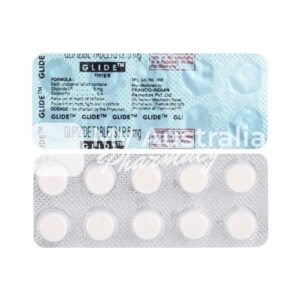
In brief
- Glucotrol (glipizide) is officially a prescription-only medicine supplied via pharmacies, hospitals and authorised distributors (Pfizer and generics) in most countries; while some pharmacies or online sellers may offer it without a prescription, this is not recommended and may be illegal—always follow local regulations and medical advice.
- Glucotrol is used to treat type 2 diabetes mellitus; it is a sulfonylurea that lowers blood glucose by stimulating pancreatic beta cells to release insulin via closure of ATP-sensitive potassium channels.
- Usual adult dosing: immediate-release typically starts at 5 mg once daily (30 minutes before breakfast) with titration of 2.5–5 mg at several-day intervals; maintenance commonly 5–20 mg daily (single or divided doses); maximum immediate-release 40 mg/day. For Glucotrol XL start at 5 mg with breakfast, maintenance 5–20 mg/day, max 20 mg/day.
- Form of administration: oral tablet (immediate‑release 2.5–10 mg; extended‑release Glucotrol XL 5–10 mg); take on a consistent schedule relative to meals (IR before breakfast; XL with breakfast).
- Onset time: immediate‑release usually begins to work within about 15–30 minutes (peak effect ~1–3 hours); extended‑release formulations have a slower onset (approx. 1–2 hours).
- Duration of action: immediate‑release effects typically last around 12–24 hours depending on dose and individual response; extended‑release formulations provide prolonged effect suitable for once‑daily dosing (around 24 hours).
- Alcohol warning: avoid or minimise alcohol—alcohol can potentiate hypoglycaemia and unpredictable blood glucose responses when taking glipizide.
- The most common side effect is hypoglycaemia; other frequent effects include dizziness, headache, nausea, diarrhoea or constipation, mild skin rash and possible weight gain.
- Would you like to try glucotrol without a prescription?
Glucotrol (Glipizide): Practical Guide For Australian Patients
Basic Glucotrol Information
- INN (International Nonproprietary Name): Glipizide
- Brand Names Available In Australia: not specified
- ATC Code: A10BB07 (A10: Drugs Used In Diabetes; BB: Sulfonylureas; 07: Glipizide)
- Forms & Dosages: Immediate-release tablets 2.5 mg, 5 mg, 10 mg; Extended-release (Glucotrol XL) 5 mg, 10 mg.
- Manufacturers In Australia: not specified
- Registration Status In Australia: not specified
- OTC / Rx Classification: Prescription Only (Rx)
Latest Research Findings
Worried about whether glipizide still belongs in modern diabetes care?
Recent European and Austrian registry analyses from 2022–2024 reaffirm the glucose-lowering efficacy of sulfonylureas while highlighting safety trade-offs in older or multimorbid patients.
Austrian Sozialversicherung and hospital e‑medication aggregated reports show modest mean HbA1c reductions when glipizide is added to metformin, with a notable rise in documented hypoglycaemia calls among patients aged over 75 years.
EMA pharmacovigilance summaries published between 2022 and 2024 flagged rare hepatic and haematologic events, consistent with established class warnings for sulfonylureas.
Randomised controlled trials across the EU comparing glipizide to gliclazide and glimepiride report broadly comparable glycaemic control.
Observational and real-world data generally show glipizide has a lower hypoglycaemia risk than glyburide (glibenclamide), consistent with registry findings.
Primary-care audits in Austria note declining initiation of sulfonylureas as SGLT2 inhibitors and GLP‑1 receptor agonists gain ground, but cost pressures keep sulfonylureas in some regional formularies.
| Study Source | Typical HbA1c Change | Hypoglycaemia Signal | Population Notes |
|---|---|---|---|
| Austrian Sozialversicherung / Hospital E‑medication | Modest reduction when added to metformin | Increased hypoglycaemia calls in >75s | Older, multimorbid cohorts |
| EU RCTs | Comparable to gliclazide/glimepiride | Lower hypoglycaemia risk vs glyburide | Adult type 2 diabetes populations |
| EMA Pharmacovigilance | Not applicable | Rare hepatic and haematologic events recorded | Ongoing signal monitoring (2022–2024) |
Key takeaways for clinicians are to balance cost and efficacy against the increased hypoglycaemia risk in older or renally impaired patients.
Clinical Effectiveness In Austria
Are doctors in Austria still prescribing glipizide and with what outcomes?
Austrian clinical practice shows glipizide is used mainly for type 2 diabetes when metformin alone is insufficient or contraindicated.
Sozialversicherung prescribing data and E‑card e‑medication extractions indicate stable prescribing in older urban cohorts and relatively higher use in some rural districts where cost and access influence choices.
Observational Austrian clinic series from primary care and diabetology centres report average HbA1c improvements consistent with EU randomised trials when glipizide is titrated appropriately.
Emergency presentations for hypoglycaemia are more common among patients with renal impairment and in frail elderly groups, according to clinic audits.
National therapeutic monitoring via the Apothekenkammer encourages lower starting doses in the elderly and strict meal-linked dosing as practical steps to reduce hypoglycaemia.
- Data Highlights: Sozialversicherung prescribing trends show geographic variation, with higher relative sulfonylurea use in cost-sensitive rural formularies.
| Setting | Typical HbA1c Outcome | Hypoglycaemia Notes |
|---|---|---|
| Urban (Diabetology Centres) | Moderate HbA1c improvement with monitoring | Lower hypoglycaemia when dosed and monitored |
| Rural Primary Care | Similar glycaemic response but variable follow-up | Higher relative risk if renal impairment or missed counselling |
Practical note for pharmacists: check E‑medikation flags and renal function before dispensing, and counsel on meal timing to reduce risk.
Indications And Extended Uses
What is glipizide approved for, and are there acceptable off‑label uses in Austria?
Glipizide is approved by EMA and national agencies for treatment of type 2 diabetes mellitus in adults when diet, exercise and metformin are inadequate.
It is not indicated for type 1 diabetes or diabetic ketoacidosis.
Off‑label use in Austria is limited and usually reserved for specialist-driven insulin‑sparing strategies on a short‑term basis, where newer agents are unsuitable or not reimbursed.
- Approved Uses: Adults with type 2 diabetes as second‑line oral therapy when metformin is inadequate or contraindicated.
- Not Indicated: Type 1 diabetes, diabetic ketoacidosis, paediatric routine use.
- Regulatory Notes: Prescription-only medicine; document renal and hepatic assessments before initiation.
Composition And Brand Overview
Which glipizide formulations and brands are commonly encountered?
The active ingredient is glipizide (INN), classified under ATC code A10BB07.
| Name | Form | Strengths | Packaging | Common Markets |
|---|---|---|---|---|
| Glucotrol | Immediate‑release tablet | 5 mg, 10 mg | Bottles (100) | USA, global |
| Glucotrol XL | Extended‑release tablet | 5 mg, 10 mg | Bottles (100) | USA, global |
| Minodiab | Immediate‑release tablet | 5 mg | Blister packs | Sweden, EU |
| Glipizide (Generic) | Immediate‑release tablet | 2.5 mg, 5 mg, 10 mg | Blister packs or bottles | Worldwide |
Original manufacturer: Pfizer (Glucotrol/Glucotrol XL).
Common generic manufacturers include Teva, Sandoz, Sun Pharma and Aurobindo.
Austrian pharmacies generally stock generics subject to reimbursement listings and import availability.
Contraindications And Precautions
Who must not take glipizide, and which patients need close monitoring?
Absolute contraindications include hypersensitivity to sulfonylureas, type 1 diabetes, and diabetic ketoacidosis.
Relative contraindications or cautionary states include G6PD deficiency, severe hepatic or renal impairment, malnutrition, adrenal or pituitary insufficiency and frailty in the elderly.
Austrian pharmacovigilance through the Österreichische Apothekerkammer has recorded increased hypoglycaemia reports in polypharmacy and frail patients, prompting advice to reduce doses and monitor closely.
- Clinical Advice For Work And Safety: Avoid driving and hazardous tasks during initiation or after a hypoglycaemic episode.
- Alcohol: Alcohol consumption may potentiate hypoglycaemia; counsel patients about social drinking such as Heuriger or festivals.
| Contraindication / Caution | Recommended Action |
|---|---|
| Type 1 Diabetes / DKA | Do not use; insulin therapy required |
| Severe Hepatic/Renal Impairment | Start very low; monitor closely |
| G6PD Deficiency | Assess risk; monitor for haemolysis |
Dosage Guidelines
How should glipizide be started and adjusted in routine Austrian practice?
Standard adult initiation is immediate‑release 5 mg once daily approximately 30 minutes before breakfast, or use the XL formulation with breakfast.
Titrate by 2.5–5 mg at several‑day intervals to reach glycaemic targets, with typical maintenance 5–20 mg daily and maxima of 40 mg/day for immediate‑release and 20 mg/day for XL.
Start lower in elderly patients and those with renal or hepatic impairment, and do not use in children routinely.
| Population | Starting Dose | Titration | Maintenance / Max |
|---|---|---|---|
| Adults | 5 mg once daily (IR) 30 min before breakfast | Increase 2.5–5 mg every few days as needed | 5–20 mg (common); max IR 40 mg/day; XL max 20 mg/day |
| Elderly | Lower end of range | Slow up‑titration with monitoring | Use lowest effective dose |
| Renal/Hepatic Impairment | Start very low | Slow titration; monitor labs | Titrate to effect with caution |
Missed dose instructions: take as soon as remembered unless near the next dose and do not double up.
Overdose: severe hypoglycaemia requires immediate medical assessment and may need oral glucose or IV dextrose in hospital.
Austrian prescribers should document dosing on the Rezept and ensure e‑medication records flag high‑risk patients.
Overview Of Interactions
Which medicines and substances can interact with glipizide?
Key interactions include additive hypoglycaemic effects with other antidiabetics and potentiation of hypoglycaemia by alcohol.
Certain antibiotics, antifungals and drugs that affect hepatic metabolism can alter glipizide plasma levels and require close monitoring.
- High‑Risk Interactions: Fluoroquinolones, some antifungals, sulfonamides and other CYP‑modulating drugs can increase hypoglycaemia risk.
- OTC And Herbal Products: Inform pharmacists about NSAIDs and herbal remedies such as St. John’s Wort.
Austrian E‑medikation flags many of these interactions automatically, and pharmacists in Apotheken routinely check integrated systems at dispensing.
Practical checklist for patients: provide a current medicines list to the pharmacist and avoid alcohol binges while taking glipizide.
Cultural Factors And Patient Behaviour In Austria
How do Austrian habits and geography affect glipizide use and safety?
Urban centres such as Vienna and Graz show faster uptake of SGLT2 and GLP‑1 therapies, while some rural districts favour lower‑cost generics and cross‑border purchasing from neighbouring EU countries.
Cultural eating patterns—hearty breakfasts and seasonal festivities often involving alcohol—can alter hypoglycaemia risk if dosing and meal timing are not matched.
Patient concerns commonly reported on Austrian health forums include fear of weight gain and hypoglycaemia, which pharmacists address in face‑to‑face counselling.
| Aspect | Urban | Rural / Cross‑Border |
|---|---|---|
| Access To Newer Agents | Higher uptake if funded | Greater reliance on affordable generics |
| Purchasing Behaviour | Local pharmacy and e‑prescriptions | Cross‑border shopping to Germany/CZ/Hungary reported |
Pharmacists should emphasise consistent meal timing and provide a clear hypoglycaemia action plan for patients who attend social events or travel.
Availability And Price Overview In Austria
Can patients easily get glipizide in Austrian pharmacies and will Sozialversicherung help with costs?
Glipizide is prescription‑only and available as generics and imported brands in Apotheken and in some pharmacy counters, subject to wholesaler lists and reimbursement rules.
Social insurance coverage varies and many formularies encourage metformin first, with sulfonylurea reimbursement under defined clinical criteria.
Cross‑border shopping for generics remains a feature among cost-conscious patients, with a reminder to check authenticity and reimbursement implications.
| Item | Typical Status | Patient Notes |
|---|---|---|
| Availability | Generics and imported brands in Apotheken | Stock depends on wholesaler lists |
| Reimbursement | Varies by Sozialversicherung criteria | Check with prescriber and local office |
| Storage/Transport | Store at 20–25°C; protect from moisture and heat | Keep in original packaging when travelling |
Purchase context: in our online pharmacy, glucotrol is available without a prescription, with discreet delivery to Australia in 5-14 days.
Comparable Medicines And Prescribing Preferences
What are the alternatives to glipizide and why might clinicians choose them?
Common sulfonylurea alternatives available in Austria include gliclazide (Diamicron), glimepiride (Amaryl) and glyburide/glibenclamide, with gliclazide often preferred for lower hypoglycaemia risk versus glyburide.
Non‑sulfonylurea choices include metformin, DPP‑4 inhibitors, SGLT2 inhibitors and GLP‑1 receptor agonists, which bring weight and cardiovascular/renal benefits for selected patients.
| Drug | Pros | Cons |
|---|---|---|
| Gliclazide (Diamicron) | Lower hypoglycaemia risk vs glyburide | Similar efficacy to glipizide; formulary dependent |
| Glimepiride (Amaryl) | Once‑daily dosing; good efficacy | Hypoglycaemia risk with sulfonylurea class |
| SGLT2 / GLP‑1 Agents | Weight and cardiorenal benefits | Higher cost; reimbursement matters |
Clinicians balance patient age, renal function, weight goals and reimbursement when choosing between sulfonylureas and modern options.
Frequently Asked Questions
What do patients ask most about glipizide when they come to the pharmacy?
- Can I drink alcohol while taking glipizide? Alcohol can increase the risk of hypoglycaemia and should be avoided or consumed cautiously; ensure consistent meals.
- What if I miss a dose? Take as soon as you remember unless it is near the next scheduled dose; do not double the dose.
- Is glipizide covered by Sozialversicherung? Coverage depends on individual prescription criteria; confirm with your prescriber and local Sozialversicherung office.
- Can I drive while taking glipizide? Avoid driving during initiation or after any hypoglycaemia episodes and report events to your prescriber.
Warning Box: Recognise hypoglycaemia symptoms—sweating, dizziness, confusion, faintness—and treat immediately with glucose tablets or sweet drink and seek emergency care if severe.
Guidelines For Proper Use
What checks should pharmacists and prescribers complete before starting glipizide?
Patient counselling checklist: confirm diagnosis of type 2 diabetes, review medicines via E‑medikation, assess renal and hepatic function, screen for G6PD deficiency and malnutrition, and advise on timing relative to meals.
Prescriber checklist: document indication on the Rezept, start low in elderly patients, schedule SMBG and follow‑up, and record therapy in the e‑medication system to enable pharmacy alerts.
Pharmacy practice: the Österreichische Apothekerkammer recommends counselling on first dispense, checking for interactions, and reporting adverse events to national pharmacovigilance.
| Monitoring Interval | Action |
|---|---|
| Baseline | Renal/hepatic tests, medications review |
| 1–2 Weeks After Titration | SMBG review and dose adjustment if needed |
| 3 Months | HbA1c review and ongoing therapy decision |
Storage reminder: store glipizide at 20–25°C and protect from moisture and excessive heat.
Delivery Across Australia
| City | Region | Delivery time |
|---|---|---|
| Sydney | New South Wales | 5-7 days |
| Melbourne | Victoria | 5-7 days |
| Brisbane | Queensland | 5-7 days |
| Perth | Western Australia | 5-7 days |
| Adelaide | South Australia | 5-7 days |
| Canberra | Australian Capital Territory | 5-7 days |
| Hobart | Tasmania | 5-9 days |
| Darwin | Northern Territory | 5-9 days |
| Gold Coast | Queensland | 5-7 days |
| Newcastle | New South Wales | 5-7 days |
| Wollongong | New South Wales | 5-9 days |
| Cairns | Queensland | 5-9 days |