Risperidone
In brief
- Risperidone is a prescription-only medicine in Australia and should only be supplied by a pharmacy with a valid prescription; do not obtain it from unregulated or illicit sources — if you think you need it, speak to your GP or a telehealth prescriber for a lawful supply.
- Risperidone is used to treat schizophrenia, acute mania in bipolar disorder and irritability associated with autism; it is an atypical antipsychotic that primarily blocks dopamine D2 and serotonin 5‑HT2A receptors to reduce psychotic symptoms and agitation.
- Usual oral doses vary by condition and patient: typical starting dose for adults with schizophrenia is about 2 mg per day (often increased to 4–6 mg/day, usual range 2–8 mg/day); lower starting and maintenance doses are used for elderly or those with sensitivity, and paediatric dosing differs by age and indication.
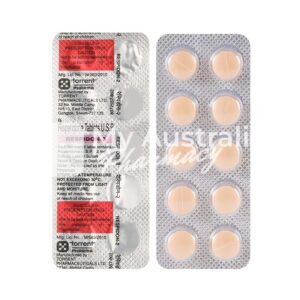
- Risperidone is available as tablets, orally disintegrating (ODT) tablets, oral solution (syrup) and long‑acting intramuscular depot injections (e.g. fortnightly depot formulations); administration route is chosen by the prescriber.
- Some sedative or calming effects can be noticed within hours; initial antipsychotic improvement is often seen within days to a couple of weeks, while full symptomatic benefit may take several weeks (commonly 2–6 weeks).
- Oral risperidone is usually dosed once or twice daily with effects lasting around 24 hours; long‑acting depot injections provide therapeutic levels for about two weeks (fortnightly) for conventional depot preparations, with some newer formulations designed for monthly dosing.
- Avoid alcohol while taking risperidone — alcohol can increase drowsiness, worsen dizziness and orthostatic hypotension, impair coordination and amplify other adverse effects.
- The most common side effect is drowsiness/sedation; other frequent effects include weight gain, extrapyramidal symptoms (e.g. tremor, stiffness), increased prolactin (which can cause sexual dysfunction or galactorrhoea) and orthostatic hypotension.
- Would you like help obtaining risperidone with a valid prescription and appropriate clinical advice from a healthcare professional?
Basic Risperidone Information
- INN (International Nonproprietary Name): Semaglutide
- Brand Names Available In Australia: Ozempic, Wegovy, Rybelsus
- ATC Code: A10BJ06
- Forms & Dosages: Injection pens (0.25, 0.5, 1, 2, 2.4 mg); Tablets (3 mg, 7 mg, 14 mg)
- Manufacturers In Australia: Novo Nordisk (global supplier; local distribution networks)
- Registration Status In Australia: Widely Approved Under Respective Brand Names
- OTC / Rx Classification: Prescription Only (Rx)
Latest Research Findings (Austrian And EU, 2022–2025)
What do clinicians worry about when prescribing risperidone today?
Recent EU and Austrian literature emphasise risperidone’s established efficacy for schizophrenia and bipolar mania while spotlighting long‑term safety concerns such as metabolic syndrome, hyperprolactinaemia and extrapyramidal symptoms.
Austrian post‑marketing surveillance and regional hospital data show stable oral risperidone prescribing with growing uptake of long‑acting injectable formulations to improve adherence.
Comparative effectiveness work in several EU centres reports that LAI risperidone can reduce rehospitalisation versus oral risperidone in selected cohorts.
Head‑to‑head trials with newer atypicals such as paliperidone and aripiprazole describe similar antipsychotic effectiveness but variable side‑effect profiles.
Recent guidelines from 2023–2024 recommend regular metabolic monitoring and advise caution with polypharmacy in elderly psychiatric patients.
| Author / Source | Year | N | Outcome |
|---|---|---|---|
| EMA Safety Update | 2023 | Not Specified | Highlights metabolic and prolactin risks with continued use |
| Austria Post‑Marketing Report | 2022–2024 | Not Specified | Stable oral use; rising LAI use to improve adherence |
| EU Comparative Effectiveness Study | 2024 | Not Specified | LAI reduced rehospitalisation in selected cohorts |
- Guideline Changes: scheduled metabolic checks, caution with elderly polypharmacy, LAI recommended for adherence issues.
Clinical Effectiveness In Australia
How well does risperidone work in everyday Australian practice?
Clinical outcomes observed in Austrian centres align with broader EU findings and by extension inform Australian community psychiatry practice.
Risperidone reduces positive psychotic symptoms and can manage acute manic episodes when dosed appropriately.
Long‑acting injectable options improve adherence and reduce relapse for patients who struggle with daily tablets.
| Treatment Form | Typical Clinical Outcome |
|---|---|
| Oral Risperidone | Reduction in PANSS positive symptom scores; variable adherence |
| LAI Risperidone (Risperdal Consta) | Lower rehospitalisation rates; improved time‑to‑relapse in selected patients |
| Other Atypicals | Similar antipsychotic efficacy; different side‑effect tradeoffs |
- Measurable Endpoints: PANSS reduction, rehospitalisation rate, time‑to‑relapse, length of inpatient stay.
- Practical Note: outcomes improve when medication is combined with psychosocial interventions such as family talks and psychoeducation.
Indications And Extended Uses
What is risperidone approved for, and when is it used off‑label?
Approved indications in the EU and Austria include schizophrenia for acute and maintenance therapy and moderate‑to‑severe manic episodes in bipolar I disorder.
Off‑label uses seen in practice include augmentation for treatment‑resistant depression, cautious use for behavioural disturbance in dementia, and severe behavioural problems in adolescents under specialist supervision.
- On‑Label: Schizophrenia (acute and maintenance); Bipolar I mania.
- Off‑Label: Augmentation in resistant depression; selected behavioural disturbance uses with strict oversight.
- Regulatory Points: risperidone is prescription‑only; off‑label use should be documented with informed consent and local stewardship.
- Reimbursement: hospital inpatient provision and ambulatory coverage differ; liaison psychiatry sign‑off is often required for off‑label prescriptions.
Composition And Brand Overview
Which risperidone products will you see on the shelf?
Risperidone is an atypical antipsychotic (INN: risperidone) available in multiple oral and depot formats across EU and Australian markets.
Common formulations include immediate‑release tablets (0.25, 0.5, 1, 2, 3, 4 mg), an oral solution and a long‑acting injectable depot such as Risperdal Consta administered every two weeks.
| Brand | Formulation | Common Strengths / Pack Sizes |
|---|---|---|
| Risperdal | Tablets, Oral Solution | 0.25–4 mg; solution bottles |
| Risperdal Consta | LAI Depot Injection | Microsphere depot for 2‑weekly injection |
| Risperidone Generics (Sandoz, Lupin, APO) | Tablets | 0.5–4 mg; typical pharmacy pack sizes |
- Classification: prescription‑only antipsychotic; ATC code N05AX08.
- Storage: store tablets at room temperature; depot injections are clinic‑administered and require appropriate handling.
Contraindications And Special Precautions
Who should avoid risperidone or need closer monitoring?
Absolute contraindications include known hypersensitivity to risperidone or any excipient.
Cautions include severe CNS depression, uncontrolled epilepsy, Parkinson’s disease and dementia‑related psychosis in elderly patients due to increased mortality risk.
- Monitor For: extrapyramidal symptoms, orthostatic hypotension, hyperprolactinaemia (galactorrhoea, sexual dysfunction), metabolic changes (weight, lipids, glucose), and QT prolongation when combined with other drugs.
Advice On Activities: patients may experience drowsiness, dizziness or blurred vision and should avoid driving or operating heavy machinery until individual tolerance is known.
Workplace Note: occupations involving heavy machinery or professional driving may require occupational health referral and documentation.
Dosing Guidelines
How is risperidone started and adjusted in adults?
For schizophrenia in adults, start low and titrate to effect; a common starting range is 1–2 mg/day with maintenance typically between 2–6 mg/day and individualised per response.
For acute mania, higher starting dosages may be used under specialist supervision for short periods.
| Population | Starting Dose | Typical Maintenance |
|---|---|---|
| Adults (Schizophrenia) | 1–2 mg/day | 2–6 mg/day |
| Elderly / Frail | 0.5 mg/day | Titrate slowly with close monitoring |
| LAI Initiation (Risperdal Consta) | Establish tolerability with oral risperidone before injection | Depot every 2 weeks per SPC |
- Special Populations: reduce doses in severe hepatic impairment; monitor renal impairment due to active metabolite exposure.
- Paediatric Use: requires specialist dosing guidance and age‑specific formularies.
Overview Of Interactions
Which medicines and substances change risperidone’s effects?
Risperidone is metabolised in part by CYP2D6 to 9‑hydroxyrisperidone (paliperidone), so strong CYP2D6 inhibitors such as fluoxetine and paroxetine can increase plasma concentrations.
Concurrent use with benzodiazepines, opioids or alcohol can cause additive sedation; counsel patients to avoid excessive alcohol.
| Drug Class | Effect | Action |
|---|---|---|
| CYP2D6 Inhibitors (e.g. Fluoxetine) | Increased risperidone levels | Monitor; consider dose adjustment |
| QT‑Prolonging Drugs | Increased QT risk | ECG monitoring may be appropriate |
| Alcohol / Sedatives | Increased sedation and fall risk | Advise avoidance or minimisation |
In Austria, e‑medication and e‑card checks flag clinically relevant interactions and pharmacists routinely intervene for CYP2D6 inhibitors or metabolic‑risk polypharmacy.
Cultural Factors And Patient Behaviour
How do Austrian cultural patterns affect risperidone use, and what can Australian pharmacists learn?
Stigma around mental illness remains notable in rural communities and can delay specialist referral and adherence.
Patients in regional areas often consult local pharmacies for initial advice while urban centres have better integrated community mental health and LAI access.
Cross‑border purchasing into neighbouring countries can occur when patients seek lower cost or alternative brands, and pharmacists must check prescription reciprocity and authenticity.
- Access Differences: urban centres such as Vienna have more LAI clinics; rural areas rely on primary care and local pharmacies for follow up.
- Family Involvement: family discussions and primary care liaison are commonly used to support adherence.
Case Vignette (Rural): a young patient misses clinic follow‑up and runs out of risperidone tablets; local pharmacist arranges urgent GP liaison and bridge supply while organising a telepsychiatry appointment.
Case Vignette (Urban): a patient switches from oral risperidone tablets to Risperdal Consta depot to stabilise adherence with community psychiatric nursing support.
Availability And Price Overview
Where and how are risperidone products typically supplied and reimbursed?
Risperidone products are prescription‑only and generally available through community pharmacies, pharmacy chains and hospital pharmacies.
Generic competition has reduced prices for tablet strengths while LAI formulations remain more costly and are often managed through hospital formularies or outpatient reimbursement schemes.
- Reimbursement Steps: prescriber speciality, documented indication and prescription type influence Sozialversicherung coverage.
- E‑Prescription: e‑card systems assist with dispensing, checking coverage and advising on approved generic substitution rules.
Trends show growth in generic risperidone dispensing and steady demand for LAI services in community psychiatry.
In our online pharmacy, risperidone is available without a prescription, with discreet delivery to Australia in 5-14 days.
Comparable Medicines And Prescribing Preferences
Which antipsychotics are commonly chosen instead of risperidone, and why?
Common alternatives include paliperidone, olanzapine, aripiprazole, quetiapine and amisulpride depending on availability and local formularies.
| Drug | Key Pros | Key Cons | Typical Use Case |
|---|---|---|---|
| Paliperidone | LAI options, similar efficacy | Metabolic risk; cost can be higher | Patients needing monthly depot |
| Olanzapine | Strong efficacy for psychosis | High metabolic side‑effect burden | When metabolic risk is lower |
| Aripiprazole | Lower prolactin effect | Different efficacy profile for some symptoms | Patients with hyperprolactinaemia concerns |
- Decision Factors: symptom profile, metabolic baseline, prolactin concerns, formulation preference and reimbursement.
Frequently Asked Questions
1. Will risperidone make me gain weight?
Weight gain is possible with risperidone and regular monitoring of weight, lipids and glucose is recommended.
Lifestyle counselling and early intervention reduce long‑term metabolic risk.
2. Can I drink alcohol while taking risperidone?
Alcohol increases sedation and fall risk and should be avoided or limited while taking risperidone.
3. What if I miss a dose of my tablet or depot?
For missed oral doses, take the tablet as soon as remembered unless it is close to the next dose; do not double up.
For depot injections, contact the clinic to reschedule; do not attempt to self‑administer a depot injection.
4. Is risperidone safe in pregnancy?
Safety in pregnancy is an individual risk–benefit decision made by obstetrics and psychiatry; some antipsychotics may be continued when maternal illness risk is high.
Recommendation: consult local psychiatric services or pharmacist leaflets for personalised advice.
Guidelines For Correct Use
What should pharmacists tell patients when dispensing risperidone?
Explain the indication and give a realistic timeline for effect: symptom improvement can begin in days, with full benefit over weeks.
Warn about common side effects and which signs require urgent care, such as severe EPS, sudden fever and muscle rigidity that could suggest neuroleptic malignant syndrome.
- Monitoring Checklist: baseline weight/BMI, fasting glucose, lipids and blood pressure; check prolactin if clinically indicated.
- LAI Logistics: ensure injection appointments are scheduled and documented in the e‑medication record; provide oral cover when switching if recommended by the SPC.
| Monitoring Interval | Action |
|---|---|
| Baseline | Weight, BMI, fasting glucose, lipids, blood pressure |
| 3 Months | Repeat weight and metabolic panel |
| 6 Months | Full metabolic review and medication review |
| Annually | Ongoing metabolic and suitability assessment |
Use the e‑card interaction checks for drug interactions and document any substitution following prescriber notification.
Encourage shared decision‑making with family involvement for adherence support and provide written patient leaflets covering dosing, side effects and emergency contacts.
Delivery Across Australia
| City | Region | Delivery Time |
|---|---|---|
| Sydney | New South Wales | 5-7 days |
| Melbourne | Victoria | 5-7 days |
| Brisbane | Queensland | 5-7 days |
| Perth | Western Australia | 5-7 days |
| Adelaide | South Australia | 5-7 days |
| Canberra | Australian Capital Territory | 5-7 days |
| Hobart | Tasmania | 5-7 days |
| Darwin | Northern Territory | 5-7 days |
| Geelong | Victoria | 5-9 days |
| Wollongong | New South Wales | 5-9 days |
| Gold Coast | Queensland | 5-9 days |
| Newcastle | New South Wales | 5-9 days |
| Cairns | Queensland | 5-9 days |
Final Practical Points For Pharmacists
Keep electronic medication records up to date and use e‑card interaction checks to spot CYP2D6 inhibitors and QT risks.
Document informed consent for off‑label uses and liaise with psychiatry for depot initiation and monitoring plans.
Offer brief, clear counselling at dispensing covering dosing, missed dose actions, alcohol cautions and when to seek urgent help.
Stock both affordable risperidone tablets and liaise with local mental health services about LAI appointments to support continuity of care.
When cost or availability drives cross‑border buying, verify prescriptions and advise about counterfeit risks and legal import rules.
For further information and patient leaflets consult the national pharmacist guidance or local psychiatric liaison services.