
Alcoholism

Naltrexone
from
Revia
from
Sinequan
from
Antabuse
from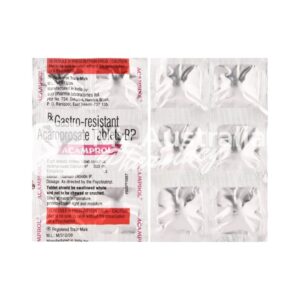
Campral
from
Disulfiram
fromUnderstanding Alcohol Dependence
Alcohol dependence, commonly known as alcoholism, is a chronic condition characterised by an inability to control drinking habits despite negative consequences. It affects millions of Australians and their families, impacting physical health, mental wellbeing, relationships, and work performance. The condition develops when regular alcohol consumption alters brain chemistry, creating both physical and psychological dependence.
People with alcoholism experience strong cravings, withdrawal symptoms when not drinking, and continued use despite knowing the harm it causes. Understanding the signs and symptoms is crucial for early intervention and recovery. Common indicators include:
- Drinking more than intended
- Unsuccessful attempts to cut down or control drinking
- Neglecting responsibilities due to alcohol use
- Continuing to drink despite knowing it causes problems
- Experiencing withdrawal symptoms when not drinking
- Building tolerance and needing more alcohol to achieve the same effect
The severity ranges from mild to severe, with each level requiring different treatment approaches and support strategies for successful recovery.
Treatment Options and Medications
Medications Available in Australia
Several prescription medications are available on the Australian market to help manage alcoholism and reduce cravings. These medications work through different mechanisms to support recovery and maintain abstinence.
Naltrexone is one of the most commonly prescribed medications, available under brand names such as Revia and Vivitrol. This opioid antagonist reduces the rewarding effects of alcohol by blocking opioid receptors in the brain, thereby decreasing cravings and preventing relapse. It’s typically prescribed as a daily tablet or as a monthly injection for those who prefer less frequent dosing.
Acamprosate, marketed as Campral in Australia, helps restore the balance of neurotransmitters in the brain disrupted by chronic alcohol use. This medication is particularly effective for maintaining abstinence and reducing protracted withdrawal symptoms. It’s generally well-tolerated with minimal side effects and doesn’t interact significantly with other medications.
Disulfiram, known as Antabuse, works differently by creating an unpleasant reaction if alcohol is consumed. When combined with alcohol, it causes flushing, nausea, vomiting, and headaches. This deterrent effect helps motivated individuals maintain abstinence, though it requires strong commitment and understanding of potential risks.
These medications are most effective when combined with counselling, behavioural therapy, and support groups. They’re available through prescription from general practitioners, psychiatrists, and addiction specialists across Australia.
Psychological and Behavioural Interventions
Therapy and Counselling Approaches
Psychological interventions form the cornerstone of alcoholism treatment in Australia. Cognitive Behavioural Therapy (CBT) helps individuals identify triggers, develop coping strategies, and change thought patterns that contribute to drinking behaviours. This evidence-based approach has proven highly effective for many Australians seeking recovery.
Motivational Interviewing (MI) is another powerful technique that helps people resolve ambivalence about changing their drinking habits. It works by strengthening intrinsic motivation and commitment to change, rather than relying solely on external pressure or consequences.
Rehabilitation programs in Australia range from outpatient counselling to residential treatment facilities. Many offer group therapy sessions where individuals share experiences and support one another. These programs typically address underlying issues such as depression, anxiety, or trauma that often contribute to alcohol dependence.
Family therapy is increasingly recognised as important, as alcoholism affects not only the individual but also their loved ones. Including family members in treatment helps repair relationships, improve communication, and create a supportive home environment for recovery.
Support Systems and Community Resources
Peer Support and Rehabilitation
Alcoholics Anonymous (AA) has been helping Australians recover for decades through peer support and a structured 12-step program. Meetings are held throughout the country, offering free support and a non-judgmental environment where individuals share their journey toward sobriety.
SMART Recovery provides an alternative approach based on self-empowerment and cognitive-behavioural principles. This program helps participants develop motivation and life skills independent of religious or spiritual components.
The Australian National Helpline for Substance Abuse (1300 652 832) provides free, confidential support and can direct individuals to local services. State-based services such as Lifeline and Beyond Blue also offer crisis support and counselling.
Residential rehabilitation facilities across Australia provide intensive treatment programs ranging from 28 days to several months. These facilities offer structured environments, professional medical supervision, therapy, and preparation for community reintegration. Many incorporate holistic approaches including nutrition, exercise, and mindfulness practices.
Health Complications and Medical Management
Physical and Mental Health Effects
Chronic alcohol use causes significant damage to multiple body systems. Liver disease is among the most serious complications, ranging from fatty liver to cirrhosis. Pancreatic inflammation, cardiovascular problems, and nutritional deficiencies are common in people with long-term alcoholism.
Mental health complications frequently accompany alcoholism, including depression, anxiety, and sleep disorders. These conditions often require concurrent treatment with appropriate medications and therapy to achieve successful recovery.
Withdrawal from alcohol can be medically dangerous, causing tremors, seizures, and delirium tremens. Medical supervision during detoxification is recommended, particularly for heavy, long-term drinkers. Healthcare providers may prescribe benzodiazepines temporarily to manage withdrawal symptoms safely.
Regular medical monitoring is essential for individuals in recovery, including liver function tests, nutritional assessments, and mental health evaluations. Many Australian healthcare providers now screen for alcohol problems during routine appointments to facilitate early intervention.
Prevention, Relapse Prevention, and Recovery Maintenance
Strategies for Long-term Sobriety
Prevention of relapse requires ongoing commitment and development of effective coping strategies. Identifying personal triggers—whether emotional, social, or environmental—allows individuals to plan alternative responses and avoid high-risk situations.
Building a strong social support network is crucial for maintaining recovery. This may include attendance at support group meetings, regular therapy sessions, and maintaining relationships with people who support sobriety. Some individuals find peer mentorship particularly helpful during challenging periods.
Lifestyle modifications significantly contribute to sustained recovery. Regular exercise, adequate sleep, stress management techniques such as meditation or yoga, and engaging in meaningful activities all promote wellbeing and reduce relapse risk.
Aftercare programs following initial treatment help individuals transition back to community life. These programs may include ongoing counselling, medication management, and continued support group participation. Many Australians benefit from maintaining contact with healthcare providers even after achieving long-term sobriety.
Early recognition of warning signs—such as increased stress, social isolation, or attending high-risk situations—allows individuals to seek additional support before relapse occurs. Developing a personal recovery plan with specific strategies tailored to individual needs significantly improves long-term outcomes and quality of life.