
Antiallergic
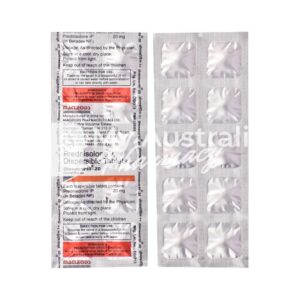
Prednisolone
from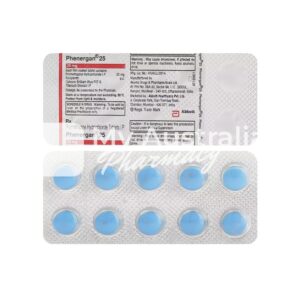
Phenergan
from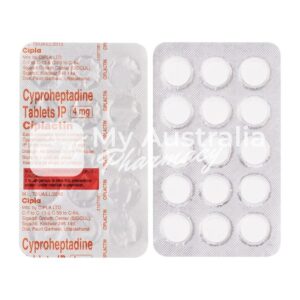
Periactin
from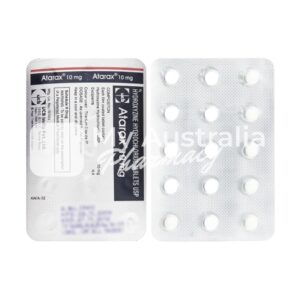
Atarax
from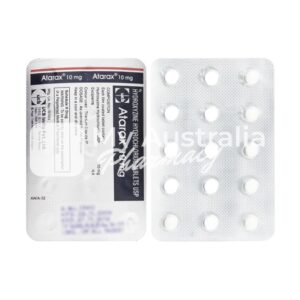
Hydroxyzine
fromUnderstanding Allergies and Antiallergic Medications
Allergies affect millions of Australians each year, causing uncomfortable symptoms ranging from mild irritation to severe reactions. When your immune system overreacts to a harmless substance like pollen, dust mites, or pet dander, it releases histamine and other chemicals that trigger allergy symptoms. Antiallergic medications work by reducing these immune responses and providing relief from allergic reactions.
Antiallergic drugs are essential for managing seasonal allergies, environmental triggers, and year-round allergen exposure. These medications help control inflammation in the airways, reduce itching, and minimise swelling associated with allergic responses. Understanding how these medications work can help you choose the right treatment for your specific allergy needs and improve your quality of life during allergy seasons.
Antihistamines: First-Line Allergy Treatment
Antihistamines are the most commonly used antiallergic medications in Australia and work by blocking histamine receptors in your body. There are two main types: first-generation antihistamines and second-generation antihistamines. First-generation options like promethazine may cause drowsiness, whilst second-generation antihistamines such as cetirizine, loratadine, and fexofenadine are non-drowsy alternatives preferred by most Australians.
Popular antihistamine brands available in Australian pharmacies include Piriteze (cetirizine), Claratyne (loratadine), and Telfast (fexofenadine). These medications are available both over-the-counter and on prescription, depending on the formulation and strength. Most antihistamines provide relief within 20-30 minutes and can be taken daily during allergy season. They’re particularly effective for managing sneezing, itching, runny nose, and watery eyes caused by allergic reactions.
Decongestants and Combination Products
Decongestants are antiallergic medications that reduce nasal congestion by narrowing blood vessels in the nasal passages. Pseudoephedrine and phenylephrine are common active ingredients found in many Australian allergy products. These medications are particularly useful when allergies cause significant nasal blockage that interferes with sleep or daily activities.
Many combination products available in Australia combine antihistamines with decongestants for comprehensive allergy relief. Products like Actifed and Drixine combine different active ingredients to target multiple allergy symptoms simultaneously. These combination medications can provide more effective relief for people experiencing both congestion and other allergy symptoms like sneezing and itching. However, decongestants should not be used for extended periods without consulting your pharmacist, as they can cause rebound congestion.
Intranasal Corticosteroid Sprays
Intranasal corticosteroid sprays are powerful antiallergic treatments that reduce inflammation directly in the nasal passages. Available in Australia under brands like Nasonex (mometasone) and Rhinocort (budesonide), these sprays are highly effective for moderate to severe allergic rhinitis. They work by reducing swelling and mucus production in the nose, providing relief from congestion, sneezing, and nasal itching.
Corticosteroid nasal sprays are considered very safe when used as directed and have minimal side effects compared to oral medications. They take slightly longer to work than antihistamines, usually providing noticeable improvement within 12-24 hours, with maximum benefit after several days of regular use. Many Australian doctors recommend these sprays as a first-line treatment for persistent allergies, especially during high pollen seasons. They’re particularly beneficial for people who experience year-round allergy symptoms or severe seasonal allergies.
Allergy Prevention and Supportive Treatments
Beyond medication, preventing allergen exposure is crucial for managing allergies effectively. Using air purifiers, washing bedding frequently in hot water, and keeping windows closed during high pollen counts can significantly reduce allergy symptoms. Saline nasal drops and sprays, available throughout Australian pharmacies, help rinse allergens from nasal passages and provide natural relief without medication.
Eye drops specifically formulated for allergies are also available in Australia to relieve itchy, watery eyes caused by allergic reactions. Products containing antihistamines or mast cell stabilisers can provide quick relief when applied directly to the eyes. Combining preventive measures with appropriate antiallergic medications creates a comprehensive approach to allergy management that works best for most people.
Key prevention strategies include:
- Using HEPA air filters in your home to remove airborne allergens
- Washing bedding weekly in hot water to eliminate dust mites
- Keeping windows closed during high pollen seasons
- Removing outdoor clothing when entering your home
- Using saline rinses to clear nasal passages daily
- Vacuuming regularly with a HEPA-filter vacuum cleaner
- Applying petroleum jelly around the nostrils to trap pollen
When to Seek Professional Advice
If over-the-counter antiallergic medications don’t adequately control your symptoms, consulting your GP or pharmacist is important. Severe allergic reactions, persistent symptoms despite medication, or side effects from antiallergic drugs warrant professional evaluation. Your healthcare provider can recommend prescription-strength medications, identify specific allergens through testing, or suggest alternative treatment approaches tailored to your needs.
Immunotherapy, also known as allergy shots or sublingual tablets, may be recommended for people with severe, persistent allergies that don’t respond well to standard antiallergic medications. These treatments gradually desensitise your immune system to specific allergens over time. Australian healthcare providers can assess whether you’re a suitable candidate for immunotherapy and help determine the most effective long-term allergy management strategy for your individual situation.