
Antibiotics
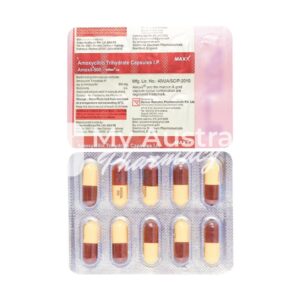
Amoxil
from
Bactrim
from
Ampicillin
from
Sumycin
from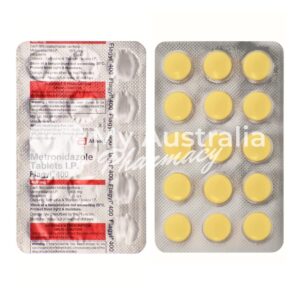
Flagyl
from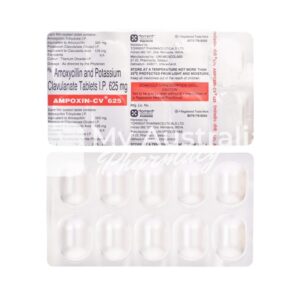
Augmentin
from
Erythromycin
from
Keflex
from
Doxycycline
from
Metronidazole
from
Ciprofloxacin
from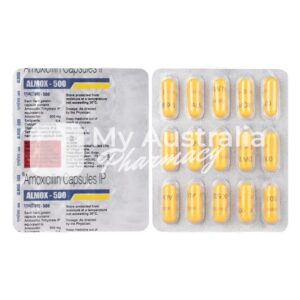
Amoxycillin
from
Zithromax
from
Azithromycin
from
Tinidazole
from
Tamsil
fromWhat Are Antibiotics and How Do They Work?
Antibiotics are powerful medicines designed to fight bacterial infections by either killing bacteria or stopping them from multiplying. These medications have revolutionised modern medicine since their discovery and remain essential for treating various infections. Antibiotics work through different mechanisms depending on their type – some destroy the bacterial cell wall, whilst others interfere with protein production or DNA replication within bacterial cells.
It’s important to understand that antibiotics only work against bacterial infections and cannot treat viral infections like colds or flu. When prescribed correctly, antibiotics can prevent serious complications and reduce the duration of illness significantly. Taking antibiotics exactly as prescribed is crucial for effectiveness and helps prevent antibiotic resistance, which occurs when bacteria adapt and become immune to the medication. Always complete the full course even if you feel better, as stopping early can allow remaining bacteria to develop resistance and cause infection to return stronger.
Common Types of Antibiotics Available in Australia
Australia’s pharmaceutical market offers several classes of antibiotics, each effective against different types of bacterial infections. Your healthcare provider will determine which antibiotic class is most appropriate based on the infection type, severity, and your medical history. Understanding these categories helps explain why different antibiotics are prescribed for different conditions.
- Penicillins – Amoxicillin and ampicillin are among the most commonly prescribed antibiotics in Australia, treating respiratory infections, ear infections, and urinary tract infections
- Cephalosporins – Cephalexin is similar to penicillins and is used when patients have mild penicillin allergies or need broader coverage
- Macrolides – Azithromycin and erythromycin are frequently used for respiratory infections and prescribed when penicillin allergies exist
- Fluoroquinolones – Ciprofloxacin and norfloxacin are broad-spectrum antibiotics used for urinary tract infections and serious respiratory infections
- Tetracyclines – Doxycycline is a versatile antibiotic treating acne, chest infections, and certain sexually transmitted infections
- Sulphonamides and Aminoglycosides – Additional classes available through Australian pharmacies for specific bacterial infections
Antibiotics for Respiratory and Ear Infections
Respiratory infections are among the most common reasons for antibiotic prescriptions in Australia. For bacterial chest infections and bronchitis, antibiotics like amoxicillin, azithromycin, and doxycycline are frequently prescribed. Strep throat, caused by Group A Streptococcus bacteria, typically responds well to penicillin or amoxicillin within 24-48 hours. Completing the full antibiotic course prevents complications like rheumatic fever from untreated strep throat.
Acute otitis media, or ear infection, affects many Australians and often requires antibiotics when caused by bacteria rather than viruses. Amoxicillin is frequently the first-line treatment for ear infections in both children and adults. For patients with penicillin allergies, azithromycin provides an effective alternative. Sinusitis, inflammation of the sinus cavities, often responds well to amoxicillin-clavulanate combinations that provide enhanced bacterial coverage. Whooping cough and other serious respiratory conditions may require azithromycin or fluoroquinolone antibiotics.
Proper diagnosis through throat swabs or medical examination ensures appropriate antibiotic selection. Most respiratory infections caused by viruses won’t respond to antibiotics, which is why healthcare professionals perform tests before prescribing.
Antibiotics for Urinary Tract and Skin Infections
Urinary tract infections represent a significant portion of antibiotic prescriptions across Australia. Cystitis, or bladder infection, commonly affects women and typically responds to antibiotics like trimethoprim, nitrofurantoin, or cephalexin. Uncomplicated UTIs often resolve within three to five days of appropriate antibiotic treatment. For more complicated urinary tract infections, fluoroquinolones such as ciprofloxacin provide broader spectrum coverage. Pyelonephritis, a kidney infection requiring more aggressive treatment, often needs hospital admission and intravenous antibiotics initially.
Skin infections including impetigo, cellulitis, and infected wounds frequently require antibiotics administered orally or topically. Staphylococcus aureus and Streptococcus pyogenes bacteria commonly cause skin infections treated with cephalexin, flucloxacillin, or clindamycin. Acne, particularly severe inflammatory acne, often benefits from prolonged low-dose doxycycline or minocycline courses. Infected insect bites, boils, and abscesses may require antibiotics if they show signs of bacterial infection. Australian pharmacists and doctors carefully select appropriate antibiotics considering infection severity and location. Some skin infections respond to topical antibiotics alone, whilst deeper infections require systemic oral or injectable medications.
Sexual Health and Dental Antibiotics
Sexually transmitted infections caused by bacteria require specific antibiotic treatments available through Australian healthcare providers. Chlamydia trachomatis infection typically responds to azithromycin or doxycycline courses lasting one to two weeks. Gonorrhoea treatment has evolved due to increasing antibiotic resistance, with newer fluoroquinolones and injectable cephalosporins recommended. Syphilis, caused by the bacterium Treponema pallidum, traditionally responds to penicillin injections, though alternatives exist for penicillin-allergic patients. Testing is essential before treatment commences, as correct diagnosis ensures appropriate antibiotic selection and prevents unnecessary medication.
Dental infections including abscess teeth and gum disease sometimes require antibiotic support alongside dental procedures. Penicillin and amoxicillin remain first-line choices for dental infections, with clindamycin available for penicillin-allergic patients. Wisdom tooth infections or periodontal disease may require antibiotics before dental extraction or deep cleaning procedures. Post-dental surgical infections occasionally develop despite preventative measures and respond well to prescribed antibiotics. Antibiotics for dental purposes are typically short courses lasting one week. Preventative antibiotics before dental work are prescribed for patients with certain heart conditions or compromised immune systems.
Important Safety Information and Side Effects
Taking antibiotics safely requires understanding potential side effects and interactions. Common mild side effects include nausea, stomach upset, and diarrhoea, which often resolve without stopping treatment. Allergic reactions ranging from mild rashes to severe anaphylaxis can occur, particularly with penicillin-based antibiotics, so informing healthcare providers of allergies is critical. Photosensitivity, where skin becomes sensitive to sunlight, is an important consideration with tetracycline antibiotics like doxycycline.
Some antibiotics interact with oral contraceptive pills, potentially reducing their effectiveness, so discussing alternative contraception is advisable. Taking antibiotics with food or on an empty stomach varies by medication, so following specific instructions maximises effectiveness. Alcohol consumption may interfere with certain antibiotics and can increase side effects, so moderation is recommended. Never share antibiotics with other people or use leftover antibiotics from previous infections, as inappropriate use promotes resistance. Store antibiotics as directed, typically in cool, dry places away from direct sunlight and moisture. Report any severe side effects including severe allergic reactions, persistent diarrhoea, or unusual symptoms to healthcare providers immediately.
Antibiotic resistance represents a growing global health concern, making responsible use essential for preserving these life-saving medications for future generations. By taking antibiotics exactly as prescribed and completing full courses, you play an important role in maintaining their effectiveness for yourself and the broader community.