
Asthma
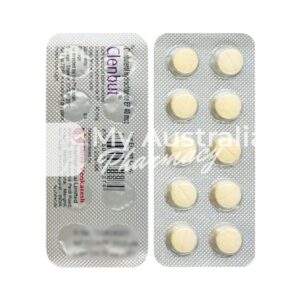
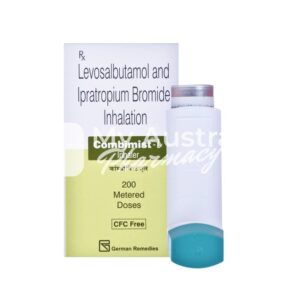
Understanding Asthma
Asthma is a chronic respiratory condition that affects the airways in the lungs, causing inflammation and narrowing that makes breathing difficult. This common condition impacts millions of Australians across all age groups, from children to adults. When someone has asthma, their airways become swollen and produce extra mucus, which can trigger coughing, wheezing, chest tightness, and shortness of breath. These symptoms can range from mild to severe and may occur occasionally or frequently depending on the individual.
The condition develops when the immune system overreacts to certain triggers, causing the muscles around the airways to tighten and swell. Common triggers include allergens like pollen and dust mites, respiratory infections, exercise, cold air, and stress. Understanding your personal triggers is essential for effective asthma management. Some people experience symptoms only during certain seasons or activities, while others deal with year-round symptoms. Early recognition and proper management of asthma can significantly improve quality of life and reduce the frequency of attacks.
Types of Asthma Medications Available in Australia
Australia has a comprehensive range of asthma medications available through pharmacies and healthcare providers. These medications are divided into two main categories: reliever medications and preventer medications, each serving a different purpose in asthma management.
Reliever Medications (Rescue Inhalers)
Reliever medications, commonly known as blue inhalers or rescue inhalers, provide immediate relief during asthma attacks. The most common reliever medication available in Australia is salbutamol, marketed under brand names including Asmol and Ventolin. These medications work by relaxing the muscles around the airways, allowing them to open quickly and restore normal breathing within minutes. Salbutamol inhalers are typically blue and should be carried at all times by people with asthma. Terbutaline is another reliever option available in Australia, offering similar rapid relief during acute symptoms.
Preventer Medications (Controllers)
Preventer medications are designed to be used daily, even when you feel well, to reduce inflammation and prevent asthma symptoms from developing. Inhaled corticosteroids are the most effective preventer medications and include products like fluticasone propionate (Flovent), beclomethasone (Qvar), and budesonide (Pulmicort). These medications reduce inflammation in the airways and are available in various strengths to suit individual needs.
Combination inhalers containing both inhaled corticosteroids and long-acting beta-agonists are popular in Australia. Products such as Seretide (salmeterol/fluticasone) and Symbicort (budesonide/formoterol) provide dual action for better control. Leukotriene receptor antagonists like montelukast (Singulair) offer an alternative or additional preventer option, particularly useful for exercise-induced asthma.
Asthma Action Plans and When to Seek Help
An asthma action plan is a personalised document developed with your healthcare provider that outlines how to manage your asthma daily and what to do when symptoms worsen. This plan typically includes information about your regular medications, recognising warning signs, and steps to take during an asthma attack. Australian healthcare providers recommend that all people with asthma have a written action plan.
Your action plan should clearly identify your green zone (well-controlled asthma), amber zone (caution, increasing symptoms), and red zone (medical emergency). During green zone periods, continue taking preventer medications as prescribed. In the amber zone, increase reliever use and contact your doctor if symptoms don’t improve. The red zone requires immediate medical attention, including emergency services if needed.
Warning signs that require urgent medical attention include:
- Severe difficulty breathing
- Blue lips or fingernails
- Confusion or difficulty speaking
- No improvement after using your reliever inhaler
Keep your asthma action plan accessible and ensure family members and colleagues understand it. Regular reviews with your doctor or asthma educator help keep your plan current and effective.
Managing Triggers and Lifestyle Adjustments
Effective asthma management involves identifying and minimising exposure to personal triggers. Common environmental triggers include dust mites, pet dander, pollen, mould, and air pollution. Regular cleaning of your home, washing bedding in hot water weekly, and using air filters can reduce dust mite exposure. If you have pets, keeping them out of bedrooms and bathing them regularly helps minimise allergens.
Exercise-induced asthma affects many people, but this shouldn’t prevent physical activity. Using your reliever inhaler before exercise, warming up properly, and choosing appropriate activities can help. Swimming is often well-tolerated as the moist air is less irritating than dry air. Stress and emotional factors can trigger asthma symptoms, so incorporating relaxation techniques like deep breathing exercises, meditation, or yoga may help.
Respiratory infections frequently trigger asthma attacks, so maintaining good hygiene through handwashing and staying up-to-date with vaccinations is important. Annual flu vaccines and pneumococcal vaccines are recommended for people with asthma. Avoiding smoking and secondhand smoke exposure is crucial, as smoke significantly worsens asthma symptoms. Making these lifestyle adjustments reduces the need for reliever medications and improves overall asthma control.
Monitoring and Regular Check-ups
Regular monitoring of your asthma helps ensure optimal control and allows for medication adjustments when needed. Your healthcare provider may use peak flow meters to measure how well air moves out of your lungs, helping detect changes in airway function before symptoms develop. Keeping a symptom diary recording when symptoms occur and potential triggers provides valuable information for your doctor.
Annual asthma reviews with your GP are recommended as standard practice in Australia. These appointments assess whether your current treatment is effective, review your asthma action plan, and check your inhaler technique. Many people use inhalers incorrectly, which reduces medication effectiveness, so technique review is an important part of monitoring. Your pharmacist can also provide valuable support, checking your inhaler technique and ensuring you understand your medications.
Asthma Australia and other organisations provide resources and support for people managing this condition. If your asthma requires frequent reliever use or significantly impacts your daily activities, discuss this with your healthcare provider as your preventer medication may need adjustment. Regular communication with your healthcare team ensures your asthma remains well-controlled and manageable.
Special Considerations for Children and Pregnancy
Children with asthma require specific management strategies adapted to their age and developmental stage. Spacer devices attached to inhalers help young children receive medication more effectively, as they eliminate the need for coordinated breathing and pressing simultaneously. Parents and caregivers should work with healthcare providers to develop clear asthma action plans for schools and childcare settings, ensuring emergency medications are available when needed.
During pregnancy, maintaining good asthma control is important for both mother and baby. Most asthma medications are safe during pregnancy, and uncontrolled asthma poses greater risks than medication side effects. Pregnant women should continue their preventer medications as prescribed and discuss any concerns with their doctor. Regular monitoring during pregnancy ensures medications remain effective and safe.
Both children and pregnant women should have their asthma reviewed more frequently than adults, with adjustments made as needed. School-aged children benefit from asthma education programmes that build confidence and independence in managing their condition. Employers and educational institutions in Australia have legal obligations to accommodate people with asthma, allowing access to reliever medications and providing suitable environments for physical activity participation.