
Cardiovascular Diseases

Brilinta
from
Lanoxin
from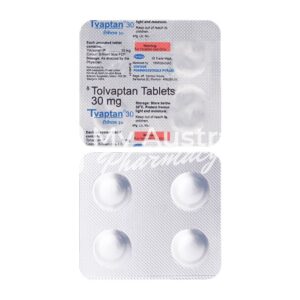
Tolvaptan
from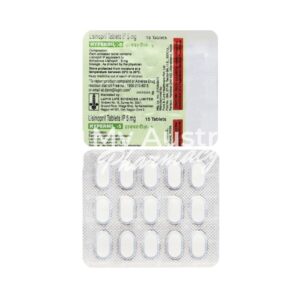
Lisinopril
fromUnderstanding Heart Disease and Its Types
Heart disease remains one of the leading health concerns in Australia, affecting thousands of people across all age groups. Cardiovascular diseases encompass a range of conditions that affect the heart and blood vessels, including coronary artery disease, heart failure, arrhythmias, and valvular disease. These conditions develop when arteries become narrowed due to plaque buildup, when the heart muscle weakens, or when electrical signals in the heart become irregular.
Common Types of Cardiovascular Disease
Angina causes chest pain when the heart doesn’t receive enough oxygen, whilst myocardial infarction, commonly known as a heart attack, occurs when blood flow to the heart is severely blocked. Understanding these conditions is crucial for early detection and appropriate treatment. Risk factors such as high blood pressure, high cholesterol, smoking, diabetes, and obesity significantly increase your likelihood of developing cardiovascular disease. Regular health checks and lifestyle modifications can help prevent or manage these serious conditions.
High Blood Pressure Management
High blood pressure, or hypertension, is a major risk factor for cardiovascular disease. It occurs when the force of blood against artery walls is consistently too high, potentially damaging blood vessels and organs over time. In Australia, many people have undiagnosed high blood pressure, making regular monitoring essential.
Medications Available in Australia
Several effective medication classes help manage hypertension:
- ACE inhibitors such as enalapril and lisinopril, which relax blood vessel walls and lower pressure
- Beta-blockers like atenolol and metoprolol that reduce heart rate and force of contractions
- Calcium channel blockers including amlodipine and diltiazem that help relax blood vessels
- Diuretics such as hydrochlorothiazide that remove excess sodium and water from the body
- Angiotensin II receptor blockers like losartan and valsartan that block hormone effects on blood vessels
Managing Hypertension
Managing hypertension involves regular blood pressure monitoring at home or through your healthcare provider. Most patients require lifestyle changes combined with medication, including reducing sodium intake, exercising regularly, maintaining a healthy weight, and limiting alcohol consumption. Your pharmacist can help you understand your medications and ensure you’re taking them correctly for optimal results.
Cholesterol Control and Lipid Management
High cholesterol levels contribute significantly to plaque buildup in arteries, increasing heart attack and stroke risk. Cholesterol comes from your liver and the foods you eat, with two main types: LDL (bad cholesterol) which deposits in arteries, and HDL (good cholesterol) which removes deposits.
Cholesterol-Lowering Medications
Statin medications are the most commonly prescribed cholesterol-lowering drugs in Australia, including atorvastatin, simvastatin, pravastatin, and rosuvastatin, which work by blocking cholesterol production in the liver. Additional cholesterol-management medications include ezetimibe, which reduces cholesterol absorption from food, and PCSK9 inhibitors for those with familial hypercholesterolaemia requiring more aggressive treatment. Fibrates like fenofibrate help lower triglycerides, another type of blood fat, whilst nicotinic acid can raise HDL cholesterol levels.
Monitoring and Lifestyle
Regular blood tests monitor your cholesterol levels, and your doctor adjusts medications based on results. Combining medications with a heart-healthy diet rich in fibre, whole grains, and omega-3 fatty acids, whilst avoiding saturated fats, provides the best outcomes for cholesterol management.
Heart Failure Treatment Options
Heart failure occurs when the heart cannot pump enough blood to meet the body’s needs. This can develop suddenly or gradually over time, and it affects millions of Australians. Symptoms include shortness of breath, fatigue, swelling in legs and ankles, and difficulty exercising.
Medications for Heart Failure
Various medication classes work together to manage heart failure effectively. ACE inhibitors and angiotensin receptor blockers reduce strain on the heart, whilst beta-blockers slow heart rate and reduce workload. Diuretics eliminate excess fluid accumulation in the body and lungs, and aldosterone antagonists like spironolactone help the heart pump more effectively. Newer medications include SGLT2 inhibitors such as dapagliflozin and empagliflozin, which have shown significant benefits in heart failure management. Nitrates provide relief from chest pain and breathlessness by relaxing blood vessels, whilst digoxin strengthens heart contractions in certain cases.
Treatment Plans and Management
Treatment plans typically combine several medications tailored to your specific heart failure type and severity. Regular monitoring through echocardiograms and blood tests ensures medications remain effective. Your pharmacist plays a vital role in managing multiple medications, checking for interactions, and ensuring adherence to your treatment plan.
Anticoagulation and Antiplatelet Therapy
Blood clots can trigger heart attacks and strokes by blocking blood flow in arteries. Anticoagulant and antiplatelet medications prevent clot formation, making them essential for many cardiovascular patients.
Antiplatelet and Anticoagulant Medications
Antiplatelet medications include aspirin, which prevents platelets from sticking together, typically used for heart attack and stroke prevention. Clopidogrel and ticagrelor provide additional antiplatelet effects for high-risk patients and are often prescribed after heart attacks or stents. Anticoagulants include warfarin, which requires regular blood test monitoring to maintain therapeutic levels. Newer direct oral anticoagulants (DOACs) such as apixaban, dabigatran, edoxaban, and rivaroxaban offer convenient alternatives without requiring blood tests. These medications are particularly important for patients with atrial fibrillation, a heart rhythm disorder that significantly increases stroke risk.
Important Considerations
Taking medications exactly as prescribed is essential, and you should avoid sudden discontinuation. Inform all healthcare providers about your anticoagulation therapy. Your pharmacist can discuss potential bleeding risks, drug interactions, and lifestyle factors affecting medication effectiveness.
Lifestyle Changes and Preventive Care
Alongside medication, lifestyle modifications form the cornerstone of cardiovascular disease management and prevention. Regular physical activity strengthens the heart, improves circulation, and helps maintain healthy weight. The Australian Heart Foundation recommends at least 150 minutes of moderate-intensity aerobic activity weekly.
Dietary Recommendations
Dietary recommendations include the Mediterranean diet, rich in olive oil, vegetables, whole grains, and fish. Reducing sodium intake helps manage blood pressure, whilst limiting sugar and processed foods prevents weight gain and blood sugar problems. Maintaining a healthy weight reduces strain on your heart and improves overall cardiovascular health.
Additional Lifestyle Factors
Stress management through meditation, yoga, or counselling supports heart health. Smoking cessation is perhaps the single most important step for cardiovascular health improvement. Limiting alcohol to recommended levels and ensuring adequate sleep contribute significantly to cardiovascular wellbeing. Regular health checks with your general practitioner, including blood pressure monitoring and cholesterol screening, allow early detection of problems. Your pharmacist can provide valuable support through medication reviews, lifestyle advice, and monitoring for side effects. Building strong relationships with your healthcare team ensures comprehensive cardiovascular care tailored to your individual needs.