
Cholesterol
Understanding Cholesterol and Its Health Impact
Cholesterol is a waxy substance found in your blood that your body needs to build healthy cells and produce hormones. However, high cholesterol levels can increase your risk of heart disease and stroke. There are two main types of cholesterol: LDL (low-density lipoprotein), often called “bad” cholesterol, and HDL (high-density lipoprotein), known as “good” cholesterol. When LDL cholesterol builds up in your arteries, it can form plaques that narrow blood vessels and restrict blood flow to your heart and brain.
Managing your cholesterol levels is essential for maintaining long-term cardiovascular health. Many Australians have elevated cholesterol without realising it, as the condition rarely causes noticeable symptoms. Regular blood tests are the only way to detect high cholesterol. Your GP can recommend appropriate lifestyle changes and medication if needed to help you achieve healthy cholesterol levels and reduce your risk of serious health complications.
Statin Medications for Cholesterol Management
Statins are the most commonly prescribed cholesterol-lowering medications in Australia. These medications work by blocking an enzyme in your liver that’s needed to make cholesterol, effectively reducing the amount of cholesterol in your bloodstream. Statins not only lower LDL cholesterol but also help reduce triglycerides and can slightly increase HDL cholesterol levels.
Several statin options are available on the Australian market, including atorvastatin, simvastatin, pravastatin, and rosuvastatin. Atorvastatin is one of the most frequently prescribed statins in Australia due to its effectiveness and affordability. Many statins are available on the Pharmaceutical Benefits Scheme (PBS), making them accessible to eligible Australians. Your doctor will determine which statin is most suitable based on your cholesterol levels, other health conditions, and potential drug interactions. Statins are generally well-tolerated, though some people may experience muscle aches or other side effects that can be managed by adjusting the dose or switching to a different medication.
Additional Cholesterol-Lowering Medications
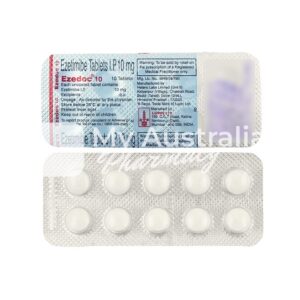
Beyond statins, several other medications can help manage cholesterol levels when used alone or in combination with statins. Ezetimibe is a medication that works differently from statins—it reduces the absorption of cholesterol from your diet in your intestines. This medication is often prescribed alongside statins for enhanced cholesterol-lowering effects and is available through the PBS in Australia.
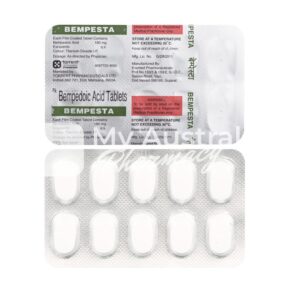
PCSK9 inhibitors are a newer class of cholesterol medications that are particularly effective for people with very high cholesterol or those who cannot tolerate statins. These injectable medications are available in Australia and can reduce LDL cholesterol by up to 60 per cent. Fibrates are another option that primarily helps lower triglyceride levels while modestly raising HDL cholesterol. Bempedoic acid is a relatively new option that has become available in Australia, offering an alternative for patients who need additional cholesterol management. Your healthcare provider can recommend the most appropriate medication based on your individual health profile and cholesterol targets.
Lifestyle Changes and Natural Approaches to Cholesterol
Medication is often most effective when combined with healthy lifestyle modifications. Dietary changes can significantly impact your cholesterol levels. Reducing saturated fats, avoiding trans fats, and increasing soluble fibre intake through foods like oats, beans, and fruits can help lower LDL cholesterol naturally. Including plant sterols and stanols in your diet may also help reduce cholesterol absorption.
Regular physical activity is crucial for cholesterol management. Aim for at least 150 minutes of moderate-intensity exercise per week, such as brisk walking, swimming, or cycling. Maintaining a healthy weight through balanced nutrition and exercise can improve your cholesterol profile and overall cardiovascular health. If you smoke, quitting is one of the most important steps you can take to improve your cholesterol levels and reduce your heart disease risk. Consider the following strategies for managing your cholesterol naturally:
- Limit saturated fats and eliminate trans fats from your diet
- Increase intake of soluble fibre through oats, beans, and fruits
- Include plant sterols and stanols in your daily meals
- Engage in regular physical activity for at least 150 minutes weekly
- Maintain a healthy body weight
- Quit smoking to significantly improve cholesterol levels
- Limit alcohol consumption
- Manage stress through relaxation techniques or meditation
Limiting alcohol consumption and managing stress through relaxation techniques or meditation can also contribute to better cholesterol control and overall wellbeing.
Monitoring and Managing Your Cholesterol Targets
Regular monitoring is essential for effective cholesterol management. Most Australians should have their cholesterol levels checked every five years, but those with risk factors should be tested more frequently. Your doctor will review your cholesterol results and discuss your target levels based on your individual risk factors. For many people, the goal is to keep LDL cholesterol below 2.0 mmol/L, though targets may vary depending on your health status.
After starting cholesterol medication, follow-up blood tests typically occur 4–12 weeks later to assess how well the treatment is working. Your GP may adjust your medication dose or type based on these results. It’s important to take your cholesterol medication consistently as prescribed, even if you feel well. Missing doses or stopping medication without medical advice can allow cholesterol levels to rise again. Keep track of your cholesterol numbers, blood pressure readings, and any side effects you experience. Regular communication with your healthcare provider ensures your cholesterol management plan remains effective and appropriate for your needs.
Special Considerations and When to Seek Medical Advice
Certain groups of people require special attention regarding cholesterol management. Those with a family history of high cholesterol or early heart disease may need cholesterol screening and treatment at a younger age. People with diabetes, obesity, or metabolic syndrome often have abnormal cholesterol levels and may benefit from earlier intervention. Pregnant women should discuss cholesterol management with their healthcare provider, as some medications are not suitable during pregnancy.
If you experience chest pain, shortness of breath, or other symptoms of heart disease, seek immediate medical attention. Side effects from cholesterol medications, such as persistent muscle pain, weakness, or dark urine, should be reported to your doctor promptly. Those planning significant changes to their diet, exercise routine, or supplement intake should consult their GP first, particularly if they’re taking cholesterol medications. Your pharmacist is also an excellent resource for information about your medication and can help identify potential drug interactions with other medicines or supplements you’re taking. Don’t hesitate to contact your healthcare provider if you have questions or concerns about your cholesterol management plan.