
COVID-19

Hydroxychloroquine
from
Stromectol
from
Zithromax
from
Ivermectin
from
Azithromycin
from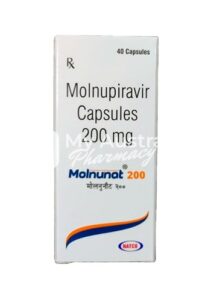
Molnupiravir
fromUnderstanding COVID-19 and Its Symptoms
COVID-19 is a respiratory illness caused by the SARS-CoV-2 virus that emerged in late 2019. The virus spreads through respiratory droplets when an infected person coughs, sneezes, or talks. Understanding the symptoms is crucial for early recognition and appropriate management.
Common symptoms include fever, dry cough, fatigue, loss of taste or smell, and difficulty breathing. Some people experience mild symptoms, whilst others develop severe illness requiring hospitalisation. The incubation period typically ranges from two to fourteen days after exposure to the virus. Symptoms can appear gradually and vary significantly between individuals. Older adults and people with underlying medical conditions are at higher risk of developing serious complications.
COVID-19 Prevention and Testing
Prevention remains the most effective strategy against COVID-19 transmission. Vaccination is highly recommended by health authorities across Australia as the primary protection method. Regular handwashing with soap and water for at least twenty seconds significantly reduces transmission risk.
Testing options available in Australia include rapid antigen tests, polymerase chain reaction (PCR) tests, and saliva-based tests. Rapid antigen tests provide results within fifteen to thirty minutes and are widely available at pharmacies, supermarkets, and testing clinics. PCR tests offer higher sensitivity and are recommended when symptoms are present or after potential exposure. Many Australian pharmacies offer on-site testing services with quick turnaround times. Staying home when unwell and maintaining physical distance from others helps prevent community transmission.
Over-the-Counter Medications for COVID-19 Symptoms
Several over-the-counter medications available in Australia can help manage COVID-19 symptoms whilst your body fights the infection. Paracetamol (acetaminophen) is widely used to reduce fever and relieve pain associated with COVID-19. The usual adult dose is five hundred to one thousand milligrams every four to six hours, not exceeding four thousand milligrams daily.
Ibuprofen, a non-steroidal anti-inflammatory drug, is also effective for fever and body aches. Adult dosage typically ranges from four hundred to six hundred milligrams every six to eight hours as needed. Some popular brands include Nurofen and Herron. Antihistamines such as cetirizine or loratadine can help manage nasal congestion and sneezing symptoms. Cough syrups containing dextromethorphan are available for dry cough relief. Throat lozenges containing zinc or honey may soothe throat irritation and discomfort.
When managing your symptoms, consider the following options:
- Paracetamol for fever and general pain relief
- Ibuprofen for inflammation and body aches
- Antihistamines for congestion and sneezing
- Cough syrups for dry cough relief
- Throat lozenges for sore throat discomfort
Always follow package directions and consult your pharmacist about appropriate dosages and potential drug interactions with your other medications.
Prescription Treatments and Antiviral Medications
For people at higher risk of severe COVID-19 illness, several prescription treatments are available in Australia. Antivirals like nirmatrelvir/ritonavir (Paxlovid) have shown effectiveness in reducing hospitalisation risk when taken early in infection. This combination treatment is most effective within five days of symptom onset.
Remdesivir is an intravenous antiviral medication typically administered in hospital settings for moderate to severe cases. Monoclonal antibodies such as tixagevimab/cilgavimab may be recommended for immunocompromised patients. These treatments are prescribed by healthcare professionals based on individual risk factors and medical history. Eligibility criteria for these medications vary, and your doctor will determine the most appropriate option for your circumstances. Access to these treatments may depend on your age, underlying health conditions, and vaccination status.
Long COVID and Ongoing Support
Some people experience prolonged symptoms after acute COVID-19 infection, a condition known as Long COVID or post-COVID-19 syndrome. Common persistent symptoms include fatigue, breathlessness, brain fog, and joint pain. These symptoms can last weeks or months after the initial infection resolves.
Management focuses on gradual rehabilitation and symptom relief. Physiotherapy may help with breathlessness and deconditioning. Pharmacists can recommend appropriate symptom management strategies tailored to individual needs. Many Australian general practitioners now specialise in Long COVID management and provide coordinated care plans. Support groups and online resources are available for people experiencing prolonged symptoms. Pacing activities appropriately and gradually increasing activity levels as tolerated helps many people recover effectively. Mental health support is also important, as Long COVID can significantly impact quality of life and wellbeing.
Pharmacy Support and Professional Advice
Australian pharmacists play a vital role in COVID-19 management and are valuable sources of professional health information. Your local pharmacy can provide guidance on appropriate medication selection, correct dosing, and potential interactions with your current medications. Pharmacists can recommend suitable treatments based on your symptoms and medical history.
Pharmacy services include administering COVID-19 vaccines, providing testing services, and dispensing prescription medications. Many pharmacies now offer extended consultation services to discuss COVID-19 management strategies. Pharmacists can advise on when to seek further medical attention and which symptoms require urgent care. They can also provide information about preventive measures and vaccinations for household members. Building a relationship with your local pharmacy ensures personalised care and consistent professional support throughout your healthcare journey. Don’t hesitate to ask questions about medications, side effects, or any health concerns related to COVID-19.