
Eye Care
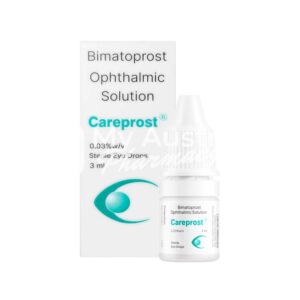
Latisse
from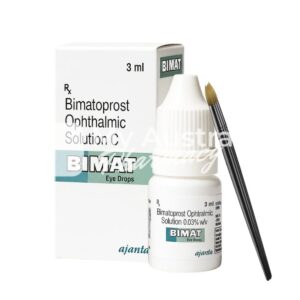
Bimat + Applicators
from
Bimatoprost
fromUnderstanding Common Eye Conditions
Eye health is essential for maintaining quality of life and independence. Common eye conditions affect millions of Australians and can range from minor irritations to serious vision-threatening diseases. Understanding these conditions helps you recognise symptoms early and seek appropriate treatment.
Dry eye syndrome is one of the most prevalent conditions affecting Australian eyes, particularly in urban areas where screen time is high. This occurs when your eyes don’t produce enough tears or when tears evaporate too quickly. Symptoms include grittiness, redness, and paradoxically, watery eyes. Available treatments in Australia include lubricating eye drops like Systane and Refresh, which provide immediate relief.
Presbyopia commonly develops as we age, typically after age 40. This condition makes it difficult to focus on close objects. Rather than a disease, it’s a natural part of ageing. Many Australians manage this through reading glasses or multifocal lenses, which are widely available through optometrists and online retailers across the country.
Cataracts cloud the lens of the eye and are particularly common in older Australians. Early symptoms include blurred vision and sensitivity to light. While no pharmaceutical treatment reverses cataracts, several eye care products can help manage symptoms during early stages. Surgery remains the definitive treatment option available through Australian healthcare providers.
Glaucoma is a serious condition where increased eye pressure damages the optic nerve. It often develops without noticeable symptoms, making regular eye testing crucial. Prescription eye drops containing active ingredients like timolol and latanoprost are primary treatments prescribed by Australian ophthalmologists.
Eye Drops and Lubricants
Eye drops serve multiple purposes in eye care, from providing comfort to treating specific conditions. Australian pharmacies stock extensive ranges of eye drops to address various needs and preferences.
Artificial tear solutions are the most common eye care products. Brands like Tears Naturale, Blink, and Visine work by supplementing natural tears. These drops contain different formulations—some include electrolytes to mimic natural tears closely, whilst others contain thickening agents for prolonged relief. Most are available without prescription and can be used as frequently as needed.
Antihistamine eye drops help relieve allergic reactions and itching caused by hay fever and environmental allergens. Products containing ketotifen or olopatadine are popular choices in Australian pharmacies. These work by reducing histamine release from mast cells in the eye, providing relief within minutes of application.
Decongestant eye drops reduce redness by constricting blood vessels on the eye’s surface. Popular Australian brands include Visine and Clear Eyes. However, these shouldn’t be used for extended periods as they can cause rebound redness with overuse. Most pharmacists recommend limiting use to a few days at a time.
Medicated eye drops for specific conditions like glaucoma or infections require prescriptions. Your eye care professional will recommend appropriate options based on your diagnosis. Common prescription drops include antibiotic formulations for infections and prostaglandin analogues for glaucoma management.
Preservative-free eye drops are ideal for sensitive eyes or frequent users. These single-dose vials prevent bacterial contamination and eliminate irritation from chemical preservatives. Brands like Systane Preservative Free and Refresh Optive are readily available throughout Australian pharmacies at various price points.
Glasses and Contact Lens Care
Proper care of vision correction devices is essential for eye health and comfort. Whether you wear glasses or contact lenses, appropriate care products prevent infections and extend the life of your eyewear.
Glasses cleaning solutions specifically formulated for optical lenses protect coatings whilst removing dust and debris. Australian pharmacies stock microfibre cloths alongside specialist lens cleaners that won’t scratch anti-reflective or blue light filtering coatings. Regular cleaning prevents scratches that compromise vision quality.
Contact lens solutions perform multiple functions—cleaning, disinfecting, and storing contact lenses safely. Popular Australian brands include Alcon’s Opti-Free and Bausch + Lomb’s ReNu. These solutions kill bacteria and fungi that could cause serious infections. Always follow manufacturer instructions and never reuse old solution in your lens case.
Rewetting drops for contact lens wearers provide comfort throughout the day by lubricating lenses. These differ from regular eye drops and are specifically formulated for contact lens wear. Products like Blink Contacts and Refresh Contacts work well for Australians who experience dryness whilst wearing lenses.
Enzymatic cleaners periodically break down protein deposits on contact lenses, extending their lifespan. Weekly or monthly enzymatic treatments keep lenses clear and comfortable. These are particularly useful for people who spend long hours wearing lenses or who have sensitive eyes.
Contact lens cases require regular cleaning and replacement. Always use fresh solution—never water or saliva, which can introduce dangerous bacteria. Replace your case every three months or as recommended by your eye care professional.
Nutritional Support for Eye Health
Nutrition plays a vital role in maintaining healthy vision and preventing age-related eye diseases. Various supplements support eye health by providing essential nutrients that your eyes need to function optimally.
Lutein and zeaxanthin are carotenoids that protect the macula from age-related degeneration. These yellow pigments filter harmful blue light and reduce oxidative stress in the eye. Australian health food stores and pharmacies stock supplements containing these nutrients, often combined with other eye-supporting ingredients.
Omega-3 fatty acids support eye health by maintaining cell membrane integrity and reducing inflammation. Fish oil supplements containing EPA and DHA are widely available throughout Australian pharmacies. These fatty acids are particularly beneficial for dry eye sufferers and those at risk of macular degeneration.
Key eye health nutrients available in Australian pharmacies include:
- Vitamin A for night vision and overall eye function
- Vitamin C and E as antioxidants protecting eye tissues from free radical damage
- Zinc for lutein absorption and retinal function
- Anthocyanins from bilberry extract supporting eye circulation
- Ginkgo biloba improving blood flow to the eyes
Whilst vitamin A is abundant in many foods like carrots, sweet potatoes, and leafy greens, some people benefit from supplementation. Supplements like Blackmores Eye Care combine multiple beneficial nutrients into convenient formulas.
Seasonal and Allergy Relief
Australian seasons bring specific eye challenges that require targeted solutions. Allergies and environmental factors significantly impact eye comfort for many Australians.
Spring allergies cause itching, redness, and watery eyes as pollen counts rise. Antihistamine eye drops provide quick relief whilst avoiding systemic side effects. Products containing ketotifen or olopatadine work within minutes and can be used throughout the spring season as needed. Oral antihistamines also help manage symptoms when eye drops alone aren’t sufficient.
Summer sun exposure increases ultraviolet radiation reaching your eyes. Wearing quality UV-protective sunglasses prevents damage and reduces glare-related eye strain. Blue light filtering glasses have become increasingly popular for Australians who spend extended time on screens outdoors during summer months.
Chlorine in swimming pools irritates eyes, causing redness and discomfort. After swimming, rinse eyes with sterile saline solution rather than tap water. Antihistamine or lubricating drops provide relief if irritation develops. Wearing swimming goggles prevents direct chlorine contact altogether.
Dry, hot winds characteristic of Australian summers exacerbate dry eye syndrome. Increased lubricating drop use helps maintain comfort during these periods. Protective sunglasses reduce tear evaporation caused by wind exposure. Staying hydrated supports tear production during hot weather.
Autumn brings different challenges as heating systems activate indoors. These artificial environments reduce humidity and accelerate tear evaporation. Humidifiers in workspaces help maintain comfortable eye moisture levels. Frequent breaks from screens combined with regular eye drop use minimise discomfort during autumn and winter months.
Professional Eye Care and When to Seek Help
Regular professional eye care is fundamental to maintaining vision and detecting serious conditions early. Knowing when to seek professional help prevents complications and preserves eye health.
Optometrists in Australia provide comprehensive eye examinations, checking visual acuity, eye pressure, and overall eye health. They can prescribe glasses and contact lenses and diagnose common eye conditions. Regular eye tests every one to two years help catch problems early, whilst those with existing conditions may need more frequent visits.
Ophthalmologists are medical doctors specialising in eye care who manage serious eye diseases and perform eye surgery. They work with optometrists to provide specialist care when needed. If you’re diagnosed with conditions like glaucoma or macular degeneration, an ophthalmologist provides ongoing management.
Warning signs requiring immediate professional attention include sudden vision changes, eye pain, flashes of light, floaters that suddenly increase, or eye trauma. These symptoms may indicate serious conditions requiring urgent treatment. Don’t delay seeking help if you experience any of these symptoms.
Over-the-counter eye care products effectively manage minor irritations and discomfort, but certain conditions require prescription treatment. Your eye care professional can recommend appropriate products and medications suited to your specific needs. Always follow their advice regarding frequency and duration of use.
Workplace eye care protects vision for Australians who spend long hours at computers. Following the 20-20-20 rule—every 20 minutes, look at something 20 feet away for 20 seconds—reduces digital eye strain. Anti-glare screen filters and proper desk positioning also help maintain comfortable vision throughout the workday.