
Motion Sickness

Understanding Motion Sickness
Motion sickness is a common condition that occurs when there’s a disconnect between the motion your eyes see and the motion your inner ear senses. This sensory conflict causes symptoms like dizziness, nausea, and vomiting, particularly during travel. The condition affects people of all ages, though children aged 2-12 and pregnant women tend to be more susceptible. Motion sickness can develop in cars, aeroplanes, boats, trains, or even amusement park rides. Understanding the triggers and early warning signs can help you manage symptoms effectively before they become severe. The severity varies from person to person, with some experiencing mild discomfort whilst others find the symptoms debilitating. Fortunately, numerous treatments and preventative measures are available to help Australians enjoy travel without distress.
Common Causes and Risk Factors
Various factors can trigger or worsen motion sickness during travel. Car travel on winding roads, rough seas, or turbulent flights commonly provoke symptoms due to constant motion changes. Focusing on moving objects, poor ventilation, or reading whilst travelling can intensify the condition. Certain medications, inner ear disorders, and vestibular system sensitivity increase your susceptibility to motion sickness. Anxiety about travel can also amplify symptoms, creating a psychological component to the physical experience.
Pregnant women often experience heightened sensitivity due to hormonal changes affecting their vestibular system. Children between two and twelve years old are particularly prone, though most outgrow the condition by adolescence. Environmental factors like strong odours, heat, and lack of fresh air in confined spaces can exacerbate nausea. Understanding your personal triggers allows you to take preventative action before embarking on your journey through Australia or abroad.
Medication Options Available in Australia
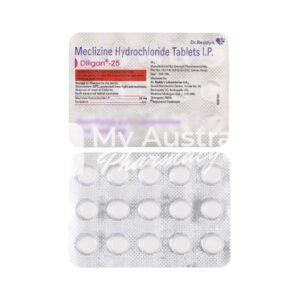
Several effective medications for motion sickness are available at Australian pharmacies. Antihistamines like dimenhydrinate and meclozine are popular over-the-counter options that work by blocking signals to the brain’s vomiting centre. Promethazine is a prescription antihistamine offering stronger relief for severe cases. Scopolamine patches provide long-lasting protection and are suitable for extended travel periods, available through prescription. Ginger supplements and natural remedies have gained popularity as gentler alternatives, though evidence of their effectiveness varies. Ondansetron is another prescription option sometimes used when other medications prove ineffective.
Most antihistamines work best when taken 30 minutes before travel begins. Duration of effectiveness ranges from four to six hours for oral medications, whilst patches provide protection for up to three days. Your pharmacist can recommend the most suitable option based on your travel plans and medical history. Common medication options include:
- Over-the-counter antihistamines such as dimenhydrinate and meclozine
- Prescription-strength antihistamines like promethazine
- Scopolamine patches for extended travel periods
- Natural supplements including ginger and peppermint
- Ondansetron for cases resistant to standard treatments
Non-Medication Prevention Strategies
Beyond pharmaceuticals, numerous lifestyle strategies effectively prevent or reduce motion sickness symptoms. Focusing on a fixed point on the horizon helps recalibrate your vestibular system during travel. Sitting in the front of vehicles or middle of boats where motion is least noticeable minimises sensory conflict. Fresh air circulation and avoiding heavy meals before travel support digestive comfort. Acupressure wristbands stimulate specific pressure points believed to alleviate nausea without medication.
Breathing exercises and relaxation techniques help manage anxiety-related symptoms. Staying hydrated throughout your journey maintains physical equilibrium and reduces nausea severity. Avoiding screens, reading, or detailed tasks during travel prevents visual triggers that confuse your inner ear. Ginger tea, peppermint, or lemon can provide natural stomach soothing. Gradual exposure to motion through regular travel sometimes helps your body adapt over time. Combining multiple strategies often provides superior results compared to single prevention methods.
Travel Tips for Motion Sickness Management
Proper preparation before travel significantly improves your experience managing motion sickness across Australia. Book seating positions away from motion epicentres, such as middle seats on aeroplanes or window seats in vehicles facing forward. Allow adequate time for any medication to take effect before departure. Pack backup medications and ginger sweets for unexpected symptom development during your journey. Inform travel companions about your condition so they understand your needs and can assist if necessary.
Bring entertainment that doesn’t require visual focus, such as audiobooks or podcasts. Maintain comfortable clothing that doesn’t restrict your abdomen or circulation. Plan rest stops during long drives to reset your vestibular system and stretch. Consider booking flights during calmer times or selecting smoother travel routes when possible. Download offline entertainment to avoid screen time without internet dependency. Communicate with airline crew about your condition for potential accommodations or seating adjustments. These practical measures combined with medication can make your travel experience considerably more comfortable.
When to Consult Your Pharmacist or Doctor
Certain situations warrant professional medical advice regarding motion sickness. If standard over-the-counter medications prove ineffective, your pharmacist can recommend prescription alternatives or stronger treatments. Recurring severe symptoms affecting your quality of life or travel plans deserve professional evaluation. Unusual or worsening symptoms unrelated to typical motion sickness patterns may indicate underlying vestibular or neurological conditions.
Pregnant women should consult their GP before taking motion sickness medications, as some options aren’t suitable during pregnancy. If you’re taking multiple medications, drug interactions require professional assessment before adding motion sickness treatments. Children experiencing persistent motion sickness benefit from medical evaluation to rule out inner ear problems. Elderly individuals or those with cardiovascular conditions need professional guidance before using certain medications. Your pharmacist can provide personalised recommendations based on your medical history and travel circumstances. Regular motion sickness sufferers might benefit from vestibular therapy or specialist consultation for long-term management strategies. Australian healthcare providers offer various resources to help you travel comfortably and confidently.