
Sleeping Aids

Sleepose
from
Toficalm
from
Hypnite
from
Doxepin
from
Hyplon
from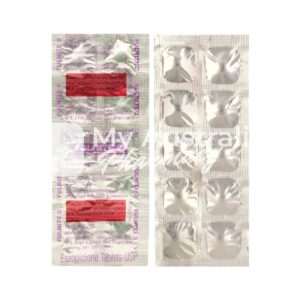
Fulnite
fromUnderstanding Sleep Problems and When to Seek Help
Sleep difficulties affect millions of Australians and can significantly impact your daily life, work performance, and overall wellbeing. Common sleep problems include insomnia, difficulty falling asleep, frequent night waking, and early morning awakening. If you’re experiencing persistent sleep troubles lasting more than a few weeks, it’s time to consider sleeping aids as part of your solution.
Sleep disorders can be caused by stress, anxiety, irregular sleep schedules, caffeine consumption, or underlying health conditions. Before trying any medication, it’s recommended to consult with your GP or pharmacist who can assess your specific situation and recommend appropriate treatment options. Many people find that combining sleeping aids with lifestyle changes produces the best results for long-term sleep improvement.
Over-the-Counter Sleeping Aids Available in Australia
Over-the-counter sleeping aids are accessible without a prescription and offer a convenient first option for those seeking sleep support. These products typically contain antihistamines as their active ingredient, which produce drowsiness as a side effect. Common OTC options available at Australian pharmacies include diphenhydramine and doxylamine succinate formulations.
Popular brands you’ll find on Australian pharmacy shelves include Nytol, Unisom, and other comparable products. These medications are generally suitable for occasional use and can help when you’re struggling with short-term sleep issues. Many Australians use OTC aids during stressful periods, travel, or when experiencing jet lag. However, these products work best when combined with good sleep hygiene practices such as maintaining a consistent bedtime routine and avoiding screens before sleep.
Prescription Sleeping Medications
For more serious or chronic sleep disorders, your doctor may prescribe stronger sleeping medications that require a prescription in Australia. These prescription options include benzodiazepines like temazepam and non-benzodiazepine hypnotics commonly known as “Z-drugs” such as zopiclone and zolpidem. Melatonin receptor agonists like ramelteon are also available through prescription.
Prescription medications are typically recommended when over-the-counter options haven’t provided adequate relief or when sleep problems are significantly affecting your quality of life. These stronger formulations work through different mechanisms to promote sleep and are often more potent than their OTC counterparts. Your GP will determine the appropriate medication based on your individual circumstances, medical history, and any other medications you’re currently taking. It’s important to use prescription sleeping aids exactly as directed and to attend regular follow-up appointments to discuss effectiveness and any concerns.
Natural and Herbal Sleeping Aids
Many Australians prefer natural alternatives for supporting better sleep. Herbal and natural sleeping aids are widely available at pharmacies and health stores throughout Australia and include ingredients like valerian root, passionflower, chamomile, and lavender. These natural options appeal to those seeking gentler solutions without the potential side effects of pharmaceutical medications.
Melatonin supplements are popular natural aids that help regulate your body’s sleep-wake cycle. These are available in various formulations and strengths at Australian pharmacies. Other herbal options include magnesium supplements, which support relaxation and sleep quality, and hops extract combined with other botanicals. Popular natural sleeping aid options include:
- Valerian root – traditionally used to promote relaxation and sleep onset
- Passionflower – known for calming nervous tension
- Chamomile tea or supplements – gentle herbal support for sleep
- Lavender – promotes a calming environment and restful atmosphere
- Magnesium – supports muscle relaxation and sleep quality
- Melatonin supplements – helps regulate your natural sleep-wake cycle
While natural products are generally considered safer with fewer side effects, they can still interact with certain medications, so it’s wise to discuss them with your pharmacist or doctor before starting.
Combination Approaches and Sleep Hygiene
The most effective approach to improving sleep often combines sleeping aids with excellent sleep hygiene practices. This means establishing a consistent bedtime routine, keeping your bedroom cool and dark, avoiding caffeine and alcohol before sleep, and limiting screen time in the hour before bed. Regular exercise during the day also significantly improves sleep quality at night.
Consider keeping a sleep diary to track what helps and what doesn’t work for your particular situation. This information proves valuable when discussing your sleep patterns with your healthcare provider. Many people find that addressing underlying causes like stress or anxiety alongside using appropriate sleeping aids produces superior long-term results. Your pharmacist can provide personalised advice on which products best suit your needs and how to integrate them with lifestyle modifications for optimal sleep improvement.
Safety, Side Effects, and When to Consult Your Pharmacist
All sleeping aids, whether over-the-counter or prescription, can have potential side effects and safety considerations you should understand. Common side effects might include morning drowsiness, dizziness, headaches, or dependency concerns with long-term use of certain medications. Some people experience unusual sleep behaviours or allergic reactions to specific ingredients.
It’s crucial to inform your pharmacist about any other medications you take, existing health conditions, and whether you’re pregnant or breastfeeding, as these factors affect which sleeping aids are appropriate for you. Your pharmacist can identify potential drug interactions and recommend the safest options for your circumstances. If you experience any concerning side effects or if your sleeping aid isn’t working as expected after two weeks, return to your pharmacist or GP for advice. Never exceed recommended doses, and avoid mixing different sleeping aids without professional guidance. Regular check-ins with healthcare professionals help ensure you’re using sleeping aids safely and effectively.