
Stop Smoking
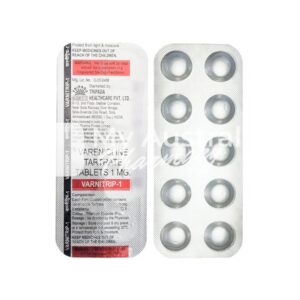
Varenapix
from
Wellbutrin Sr
from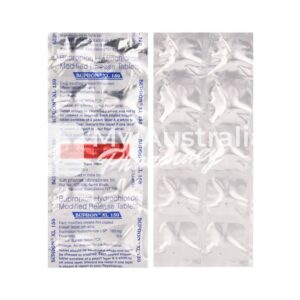
Wellbutrin
fromUnderstanding Nicotine Addiction and Why Quitting is Important
Nicotine is one of the most addictive substances known, affecting the brain’s reward system within seconds of inhalation. When you smoke, nicotine triggers the release of dopamine, creating a powerful cycle of dependency that keeps smokers returning for another cigarette. Understanding this addiction is the first step towards successful cessation.
Quitting smoking offers immediate and long-term health benefits. Within 20 minutes of your last cigarette, your heart rate and blood pressure drop. After three months, your lung function improves by up to 30 percent. Over time, your risk of heart disease, stroke, and cancer decreases significantly. Beyond health benefits, quitting saves thousands of dollars annually and improves your quality of life, breath, and appearance.
The journey to becoming smoke-free requires commitment and often professional support. Many Australians struggle with multiple quit attempts before achieving success, which is completely normal. With the right tools and medications available through Australian pharmacies, your chances of quitting successfully increase dramatically.
Nicotine Replacement Therapy (NRT) Options Available in Australia
Nicotine Replacement Therapy helps manage withdrawal symptoms by delivering controlled doses of nicotine without the harmful chemicals found in cigarettes. NRT products are available over-the-counter at Australian pharmacies without requiring a prescription, making them accessible to anyone ready to quit.
Nicotine Patches
Nicotine patches remain the most popular NRT option in Australia. Available under brands like Nicorette and NiQuitin, patches deliver steady nicotine levels throughout the day, reducing cravings and withdrawal symptoms. You apply a patch to clean, dry skin daily, with different strengths available depending on your smoking intensity. Most people use patches for 8-12 weeks, gradually reducing strength over time.
Nicotine Gum
Nicotine gum offers flexibility and immediate relief during strong cravings. Brands like Nicorette Gum come in 2mg and 4mg strengths. The gum is chewed slowly until a tingling sensation appears, then “parked” between your cheek and gum for nicotine absorption. This method gives you control over nicotine intake while keeping your mouth occupied, satisfying the behavioural aspects of smoking.
Nicotine Lozenges
Nicotine lozenges dissolve slowly in your mouth, providing a discreet nicotine delivery method. Available in 1mg, 2mg, and 4mg strengths from brands like Nicorette Lozenges, they’re particularly useful during situations where chewing gum isn’t appropriate. One lozenge dissolves over 20-30 minutes, perfect for managing unexpected cravings.
Nicotine Mouth Spray
Nicotine mouth spray such as Nicorette QuickMist offers rapid relief for sudden cravings, delivering nicotine through the mouth’s lining within minutes. This option suits people who prefer quick action without chewing or patches.
Prescription Medications for Smoking Cessation
For smokers seeking stronger support, prescription medications provide proven effectiveness in reducing cravings and withdrawal symptoms. Australian doctors commonly prescribe these medications as part of a comprehensive quit-smoking program.
Varenicline (Champix)
Varenicline is highly effective at reducing nicotine cravings and blocking nicotine’s rewarding effects. This prescription medication works by partially stimulating nicotine receptors in the brain while preventing actual nicotine from binding to them. Most people taking Varenicline experience significantly reduced urges to smoke and are more likely to succeed in quitting. Treatment typically lasts 12 weeks, with most people reaching their quit date around day 8 of treatment. Your doctor will provide detailed instructions on gradually increasing your dose.
Bupropion (Zyban)
Bupropion is an antidepressant medication that reduces cravings and withdrawal symptoms by affecting dopamine and noradrenaline levels in the brain. It’s particularly helpful for people who’ve experienced depression or anxiety. Unlike NRT, Bupropion doesn’t contain nicotine—instead, it changes brain chemistry to reduce smoking urges. Treatment typically lasts 7-9 weeks, though some people continue for longer under medical supervision.
Both medications are available through Australian pharmacies with a valid prescription. Your doctor will assess your health history, current medications, and individual circumstances to recommend the most suitable option for your situation.
Combination Therapy Approaches
Research shows that combining different treatment methods often produces better results than using a single approach. Many successful quitters in Australia use combination therapy tailored to their specific needs.
NRT Plus Medication
Combining the steady nicotine delivery of patches with the flexibility of gum or lozenges, whilst also taking prescription medication, creates a powerful multi-pronged approach. For example, you might use a nicotine patch as your base, add gum during strong cravings, and take Varenicline to block the rewarding effects of smoking. This layered approach addresses both physical addiction and behavioural habits simultaneously.
Behavioural Support with Medication
Medications handle the physical addiction while behavioural support addresses the psychological and habitual aspects of smoking. This combination tackles smoking from multiple angles, increasing success rates significantly. Your pharmacist can discuss combination options that suit your lifestyle, smoking habits, and quit-smoking goals. Different combinations work for different people, so personalised advice from healthcare professionals is invaluable.
Tips for Managing Cravings and Withdrawal Symptoms
Nicotine withdrawal typically peaks within the first three days of quitting but gradually improves over two to four weeks. Common withdrawal symptoms include irritability, anxiety, difficulty concentrating, increased appetite, and intense cravings. Understanding these symptoms as temporary and manageable helps you stay committed to quitting.
Effective strategies for managing withdrawal include:
- Using fast-acting NRT options like gum, lozenges, or mouth spray when strong cravings hit—most cravings last only 3-5 minutes
- Identifying emotional and behavioural triggers such as coffee breaks, stress, or social situations, and creating alternative activities
- Incorporating regular exercise to reduce cravings and manage withdrawal symptoms whilst improving mood
- Drinking plenty of water to help flush nicotine from your system
- Getting adequate sleep to strengthen your willpower and resilience
- Seeking support through your doctor, pharmacist, quitline services, or support groups for professional guidance and encouragement
Australia’s Quitline (1800 778 672) offers free counselling support. Tell friends and family about your quit date so they can provide encouragement and understanding during challenging moments.
Success Strategies and Staying Quit Long-Term
Quitting smoking is a journey, and staying quit requires ongoing commitment and strategies. Most successful quitters report that the first weeks are hardest, but cravings become less frequent and intense as time passes.
Plan your quit date by choosing a specific date within the next two weeks, informing people close to you, and stocking up on your chosen NRT products or arranging prescriptions beforehand. This preparation significantly increases your likelihood of success. Recognise high-risk situations and have strategies ready—whether that’s using NRT, calling a friend, or practising relaxation techniques.
Celebrate milestones to maintain motivation. After 24 hours, one week, one month, and three months smoke-free, acknowledge your achievement. Many successful quitters reward themselves with money saved by not buying cigarettes, making quitting financially rewarding as well.
If you slip and smoke after quitting, don’t give up. One cigarette doesn’t mean failure. Analyse what triggered it, adjust your strategy, and recommit immediately. Each quit attempt brings you closer to permanent success. Your pharmacist and doctor remain valuable resources throughout your journey, providing advice, medication adjustments, and encouragement whenever needed. With determination and the right support, you can successfully become smoke-free and enjoy a healthier, happier life.