Biltricide
In brief
- Biltricide (praziquantel) can be purchased through pharmacies and online dispensaries in Australia and other countries; in many places it is prescription-only, but some pharmacies may supply it without a prescription depending on local rules and service policies.
- Biltricide is used to treat schistosomiasis and other fluke infections such as clonorchiasis and opisthorchiasis. It works by increasing the permeability of parasitic worm membranes to calcium, causing paralysis and death of the parasites.
- The usual dose depends on the infection: for schistosomiasis, 20 mg/kg per dose taken 3 times in one day; for clonorchiasis or opisthorchiasis, 25 mg/kg per dose taken 3 times in one day.
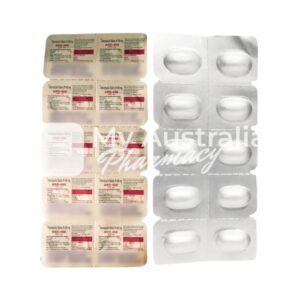
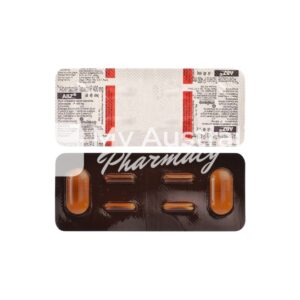
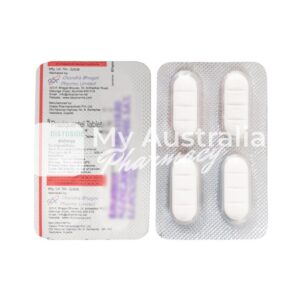
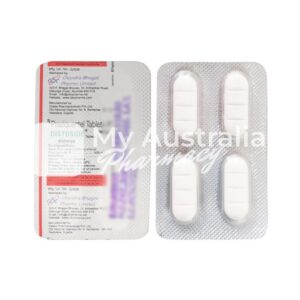
- The form of administration is an oral film-coated tablet, usually 600 mg; it should be taken with food, and tablets may be split or crushed if needed for children.
- It starts working within a few hours after taking the first dose, although symptom relief may take longer as the body clears the infection.
- The duration of action is usually one day for the standard treatment course, with the antiparasitic effect continuing as the worms are eliminated over the following days.
- Avoid alcohol during treatment, as it may increase dizziness, stomach upset, and other side effects.
- The most common side effects are nausea, abdominal pain, vomiting, diarrhoea, dizziness, headache, and drowsiness.
- Would you like to try Biltricide without a prescription?
Basic Biltricide Information
- INN (International Nonproprietary Name): Praziquantel
- Brand names available in Australia: Biltricide, praziquantel
- ATC Code: P02BA01
- Forms & dosages: Film-coated tablet, 600 mg, oral; oral suspension not widely available and may be compounded for children
- Manufacturers in Australia: Bayer AG/Bayer Healthcare and, where available, local supply partners or generic equivalents
- Registration status in Australia: Prescription-only medicine; current local register status should be checked before supply
- OTC / Rx classification: Prescription-only (Rx)
Latest Research Findings On Biltricide
Have you travelled, eaten imported freshwater fish, or been told you may have a parasitic infection?
That is the situation where Biltricide, the brand name for praziquantel, still has the strongest evidence behind it.
Across 2022 to 2025, the literature continues to support praziquantel as the standard single-day treatment for schistosomiasis and several liver fluke infections.
Cure rates remain high when the diagnosis is correct, the parasite species is susceptible, and the weight-based dose is taken exactly as prescribed.
Safety findings are also consistent with long-standing use in routine practice, with the most common problems being short-lived gastrointestinal symptoms, dizziness, and drowsiness.
That aligns with WHO essential medicine status and with EMA-regulated practice in Europe, where Biltricide or praziquantel remains part of standard parasitology care.
In Austria, exact case counts may be sparse, so EU surveillance and travel-medicine data are the best guide to local relevance.
The practical message is simple: infections are usually imported, treatment is prescription-only, and specialist review matters when the diagnosis is uncertain.
For Austrian readers, the biggest takeaway is not whether Biltricide works in theory, but whether the right parasite has been identified and the dose is matched to body weight.
| Study Or Source | Population | Outcome | Takeaway |
|---|---|---|---|
| WHO essential medicine listing and EU practice updates | Global schistosomiasis and fluke treatment pathways | Praziquantel remains first-line therapy in routine use | Biltricide is still the benchmark medicine for these infections |
| EU travel-medicine and parasitology experience, 2022–2025 | Returned travellers and imported infection work-ups | Good outcomes when species and dose are matched correctly | Diagnosis and adherence drive results more than branding |
| Routine safety data from regulated markets | Adults and children aged 1 year and older | Mostly mild, self-limiting adverse effects | Monitoring is sensible, but serious reactions are uncommon |
| Austrian and EU clinical practice | General practice, infectious disease, and travel clinics | Single-day weight-based dosing is standard | Adherence to the schedule is key for cure |
What Matters Most For Austrian Readers: travel-related infection risk is the main reason Biltricide is used locally, referral to a specialist may be needed if the parasite is not clear, and the medicine is prescription-only in regulated care pathways.
Clinical Effectiveness In Austria
What can patients expect after treatment starts?
In Austrian care pathways, response is usually checked after a diagnosis in general practice, infectious disease services, or travel medicine clinics.
Biltricide tablets are generally effective when taken exactly as prescribed, but symptom improvement does not always happen overnight.
Abdominal pain, fatigue, blood in stool, or blood in urine may settle more slowly when parasite burden has been high.
That is why follow-up matters, especially if the infection was picked up after overseas travel or after eating a risky food exposure.
Austrian practice largely follows EU and WHO standards when local evidence is limited.
- Expected benefit: parasite clearance when the diagnosis matches a praziquantel-sensitive infection.
- Expected timing: symptom improvement may take days, and sometimes longer if the infection was heavy.
- Expected follow-up: review if symptoms persist, worsen, or if the diagnosis was uncertain from the start.
- Expected support: Sozialversicherung usually supports medically necessary treatment when it is prescribed appropriately.
| Before Treatment | After Treatment | When To Review |
|---|---|---|
| Diagnosis confirmed or strongly suspected | Single-day praziquantel course taken with food | If the dose was missed, symptoms worsen, or side effects are severe |
| Medication list checked in the pharmacy | Temporary nausea, dizziness, or tiredness may occur | If there is liver disease, seizure history, or diagnostic uncertainty |
Prescription Tracking Note: e-card and E-Medikation can improve medication visibility across providers, which is especially helpful when several clinicians are involved.
Indications And Expanded Use
Which infections does Biltricide actually treat?
The approved indications are straightforward and should be kept separate from off-label use.
Biltricide is used for schistosomiasis, clonorchiasis, and opisthorchiasis.
It is prescription-only in Austria and most of the EU.
Off-label use should only happen under specialist supervision, because the dose and timing depend on the parasite species and the clinical situation.
Some Austrian hospitals may also include praziquantel in broader parasitology work-ups after travel exposure, but that is not the same as casual self-treatment.
The ATC code is P02BA01, and the WHO lists praziquantel as an essential medicine.
- Schistosomiasis
- A parasitic infection that affects blood vessels and can involve the bowel or urinary tract.
- Clonorchiasis
- A liver fluke infection linked to contaminated fish exposure.
- Opisthorchiasis
- Another fluke infection that can affect the biliary system.
| Use | Status | Specialist Needed |
|---|---|---|
| Schistosomiasis treatment | Approved | Often yes, if species confirmation or follow-up is needed |
| Clonorchiasis medication | Approved | Yes, especially if diagnosis is travel-related |
| Opisthorchiasis | Approved | Yes, due to diagnostic and dosing nuance |
| Other parasitic work-ups | Off-label consideration | Specialist supervision required |
Composition And Brand Overview In Austria And The EU
What is actually inside Biltricide?
The active ingredient is praziquantel, also written as Praziquantelum in Latin references.
Biltricide is the best-known brand in many EU markets, including Germany and parts of Europe, and Bayer is the leading brand manufacturer.
The standard form is a film-coated 600 mg tablet, commonly supplied in 6-tablet or 12-tablet packs.
An oral suspension is not widely available and may only be compounded for children in selected settings.
Availability in Austria may depend on wholesaler supply and whether the product is stocked by an independent pharmacy or ordered in.
| Brand | Strength | Pack Size | Local Availability |
|---|---|---|---|
| Biltricide | 600 mg | 6 tablets | Often ordered through pharmacy channels |
| Biltricide | 600 mg | 12 tablets | Availability depends on wholesaler supply |
| Generic praziquantel | 600 mg | Varies | May be available in some markets |
| Compounded suspension | Not specified | Not specified | Used only in selected paediatric settings |
That is why Biltricide 600mg searches often lead to a pharmacy conversation rather than a simple shelf purchase.
Contraindications And Precautions
Is this something you can just start if you think you picked up a parasite?
No, because praziquantel is not a self-start medicine and the diagnosis should be confirmed first.
The absolute contraindications are known hypersensitivity to praziquantel or any ingredient, and ocular cysticercosis.
Those matters are important because the wrong use can worsen harm rather than fix the problem.
There are also relative cautions in people with severe hepatic impairment, a history of seizures or epilepsy, and cardiac arrhythmias.
In practical terms, that means a proper medical review is needed before the first dose.
Pharmacists in Austria can help flag interactions and risk factors, but the prescriber remains responsible for the overall assessment.
People in safety-sensitive jobs should also think ahead, because dizziness or drowsiness can affect driving and machinery use.
| Condition | Why It Matters |
|---|---|
| Hypersensitivity to praziquantel | Risk of allergic reaction |
| Ocular cysticercosis | May worsen eye disease as parasites die |
| Severe hepatic impairment | Levels may rise because first-pass metabolism is reduced |
| Seizure history | Needs close monitoring |
| Cardiac arrhythmias | Extra caution with interaction risk |
Dosage Guidance In Austria
How is the dose worked out?
Biltricide uses weight-based dosing, and the number of tablets depends on the parasite being treated.
For schistosomiasis, the approved regimen is 20 mg/kg per dose, given three times in one day for a total of 60 mg/kg.
For clonorchiasis and opisthorchiasis, the regimen is 25 mg/kg per dose, given three times in one day for a total of 75 mg/kg.
The doses are taken at 4 to 6 hour intervals with food.
Children aged 1 year and older use the same mg/kg dosing as adults, although fewer tablets are needed because of lower body weight.
Tablet splitting or crushing may be needed for small children.
There is usually no special elderly dose change unless liver or kidney disease is significant.
In Austrian practice, the dose calculation may be written into the prescription and reconciled in E-Medikation.
| Indication | Dose | Timing | Austrian Notes |
|---|---|---|---|
| Schistosomiasis | 20 mg/kg per dose, three times | 4 to 6 hourly with food | Single-day course |
| Clonorchiasis | 25 mg/kg per dose, three times | 4 to 6 hourly with food | Use specialist confirmation |
| Opisthorchiasis | 25 mg/kg per dose, three times | 4 to 6 hourly with food | Follow prescriber instructions exactly |
| Children aged 1 year and older | Same mg/kg dosing | As above | Crushing tablets may be needed |
Interactions And Administration
Should Biltricide be taken with food?
Yes, it should be taken with food, because that helps administration and may improve tolerance.
Alcohol is best avoided around treatment, since nausea, dizziness, and drowsiness can become harder to interpret.
Coffee does not have a major direct interaction, but stomach upset can still happen.
Austrian pharmacists should review all medicines, especially drugs that affect the liver or seizure threshold.
That review is particularly useful when more than one prescriber is involved and E-Medikation can help complete the picture.
| Substance | Interaction Risk | Practical Advice |
|---|---|---|
| Food | Helpful for administration | Take the tablets with food |
| Alcohol | Can worsen nausea or dizziness | Avoid around the treatment day |
| Coffee | No major direct interaction | Use caution if your stomach is unsettled |
| Other medicines | Depends on the full regimen | Let the pharmacist review the full list |
Cultural And Patient-Centred Factors In Austria
Why do some people wait longer than they should before asking for help?
Often it is because travel exposure feels embarrassing, or because the symptoms seem too vague to mention.
That is a shame, because parasitic infections are treatable and they are not rare after travel or imported food exposure.
Urban patients in Vienna, Graz, Linz, and Salzburg often have easier access to specialist care and stocked pharmacies.
Rural patients may rely more on independent Apotheken or on pre-ordering, which can add a day or two to access.
BENU, dm pharmacy counters, and independent pharmacies are all part of the access picture, but a prescription is still required.
Some Austrians compare prices or availability in Germany, the Czech Republic, or Hungary, yet prescription rules still apply and importing medicines can be problematic.
In our online pharmacy, biltricide is available without a prescription, with discreet delivery to Australia in 5-14 days.
That sort of access is convenient, but it still makes sense to seek medical advice first if the diagnosis has not been confirmed.
| Setting | Access Issue | Patient Tip |
|---|---|---|
| Vienna and other large cities | Specialist access is usually easier | Book follow-up quickly if symptoms persist |
| Rural areas | Pharmacy stock may need ordering | Allow extra time for supply |
| Cross-border shopping | Prescription rules still apply | Check legality before importing medicine |
| Travel-related illness | Stigma can delay care | Speak early; treatment is available |
Availability And Price In Austria
How does access usually work in Austria?
Biltricide is prescription-only and is often ordered through a pharmacy rather than displayed as an over-the-counter shelf item.
That means the patient usually presents a prescription, and the pharmacy sources the product through normal supply channels.
Price regulation and reimbursement depend on the indication, the prescriber, and Sozialversicherung rules.
Patients should ask whether the medicine is reimbursable for their case.
The Austrian pharmacy system, including the Austrian Pharmaceutical Chamber, supports safe dispensing and quality control.
E-Medikation also helps coordinate prescribing when several providers are involved.
For current pricing, a local pharmacy quote is still the safest option, because exact amounts can change and should not be guessed.
| Where To Get It | Likely Access Route | Price Or Reimbursement Note |
|---|---|---|
| Community pharmacy | Ordered on prescription | Ask about current quote and reimbursement status |
| Hospital pharmacy | Specialist-led supply | Depends on the clinical indication |
| Independent Apotheken | May need to order in stock | Allow time for supply |
| Cross-border purchase | Prescription rules still apply | Check local legal requirements first |
Alternatives And Comparisons
What else is used if Biltricide is not suitable?
The practical answer is usually not another brand, but whether the diagnosis truly fits a praziquantel-sensitive parasite.
Metrifonate and oxamniquine are older options that may appear in the literature for some schistosomiasis situations.
Albendazole and mebendazole are not substitutes for schistosomes or flukes, even though they are useful for other worms.
Specialist preference depends on species, travel history, liver function, and availability.
That is why schistosomiasis treatment is best chosen after proper assessment rather than by guesswork.
| Medicine | Use Case | Limitation | Austrian Preference |
|---|---|---|---|
| Biltricide | Schistosomiasis and fluke infections | Needs correct diagnosis and weight-based dosing | Usually first choice |
| Metrifonate | Some schistosomiasis situations | Less widely used | Specialist decision |
| Oxamniquine | Specific for S. mansoni | Narrower use | Rarely the first practical option |
| Albendazole or mebendazole | Other worm infections | Not effective against schistosomes or flukes | Not a substitute |
Frequently Asked Questions From Austrian Pharmacy Counselling
- Do I need a prescription?
- Yes, Biltricide is prescription-only in Austria and most regulated markets.
- Can I take it with food?
- Yes, it should be taken with food.
- What if I miss a dose on the same day?
- Take it as soon as remembered on the same day, and do not double up if the next dose is close.
- Can children take it?
- Yes, children aged 1 year and older use the same mg/kg dosing as adults.
Correct Use And Austrian Pharmacist Guidance
What is the safest way to use Biltricide?
Take it exactly as prescribed, with food, on the specified day.
Do not share it with anyone else, because the dose depends on body weight and the parasite being treated.
Store the tablets at 15 to 30 degrees Celsius, away from moisture and excess heat.
If a dose is forgotten, take it as soon as remembered on the same day unless the next dose is nearly due.
Seek urgent medical help for severe rash, seizures, or allergy symptoms.
Austrian pharmacists can explain tablet splitting, timing between doses, and when to contact the prescriber.
The Österreichische Apothekerkammer supports safe dispensing and patient education, and national register checks remain essential for current product status.
When used correctly, Biltricide remains a reliable treatment for schistosomiasis and several fluke infections, especially when the diagnosis is confirmed and follow-up is not skipped.
Delivery Across Australia
| City | Region | Delivery Time |
|---|---|---|
| Sydney | New South Wales | 5-7 days |
| Melbourne | Victoria | 5-7 days |
| Brisbane | Queensland | 5-7 days |
| Perth | Western Australia | 5-7 days |
| Adelaide | South Australia | 5-7 days |
| Canberra | Australian Capital Territory | 5-7 days |
| Hobart | Tasmania | 5-7 days |
| Darwin | Northern Territory | 5-7 days |
| Newcastle | New South Wales | 5-9 days |
| Gold Coast | Queensland | 5-9 days |
| Wollongong | New South Wales | 5-9 days |
| Townsville | Queensland | 5-9 days |
| Geelong | Victoria | 5-9 days |
| Sunshine Coast | Queensland | 5-9 days |