
Antibacterial
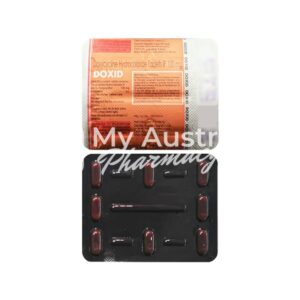
Vibramycin
from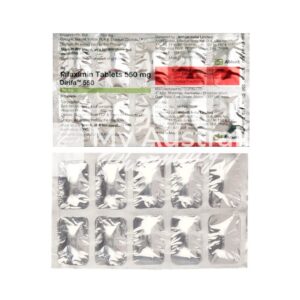
Xifaxan
from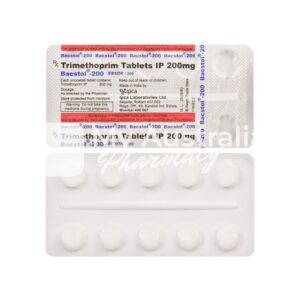
Bactrim
from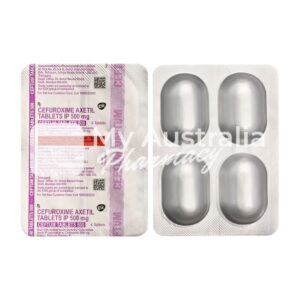
Cefuroxime
from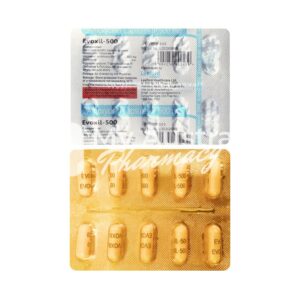
Levofloxacin
from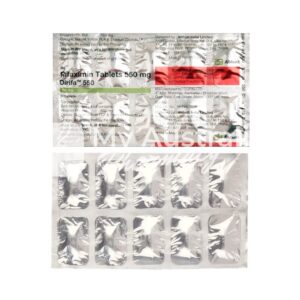
Rifaximin
from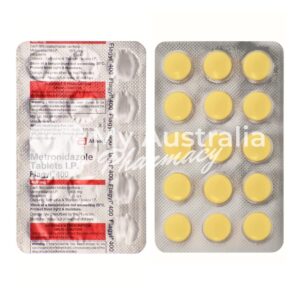
Flagyl
from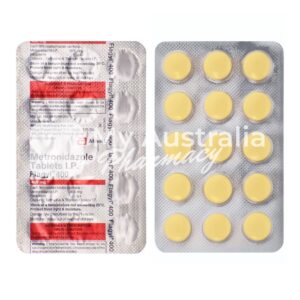
Metronidazole
fromUnderstanding Antibacterial Products
Antibacterial products are medications and treatments designed to kill or inhibit the growth of bacteria. These products play a crucial role in preventing and treating bacterial infections that can affect various parts of the body. Antibacterial agents work by targeting bacterial cell walls, proteins, or DNA, making them effective against a wide range of harmful microorganisms.
In Australia, antibacterial products are regulated by the Therapeutic Goods Administration (TGA) to ensure safety and efficacy. These medications come in various forms, including tablets, capsules, liquids, creams, and ointments. Understanding how antibacterial products work helps you use them safely and effectively for your health needs.
The importance of antibacterial treatment cannot be overstated, as bacterial infections can lead to serious complications if left untreated. From minor skin infections to more severe conditions, having access to reliable antibacterial products is essential for maintaining good health.
Oral Antibacterial Medications
Oral antibacterial medications are tablets and capsules taken by mouth to treat systemic bacterial infections. These medications are absorbed into the bloodstream and distributed throughout the body to combat bacterial infections from within.
Common Antibacterial Tablets Available in Australia
Amoxicillin is one of the most widely prescribed antibacterial medications in Australia, used to treat infections of the respiratory tract, ear, and urinary system. This penicillin-based antibiotic is effective against many common bacteria and is available in various strengths.
Cephalexin is another popular choice for treating skin infections, urinary tract infections, and respiratory infections. This antibiotic is often recommended for patients with certain bacterial infections and comes in capsule form.
Azithromycin is a macrolide antibiotic commonly prescribed for respiratory infections, throat infections, and certain sexually transmitted infections. It’s available in tablet form and is known for its convenient dosing schedule.
Ciprofloxacin is a fluoroquinolone antibiotic used for more serious infections, including urinary tract infections and respiratory infections. This broad-spectrum antibiotic is effective against a wide range of bacteria.
Usage Guidelines
It’s essential to take oral antibacterial medications exactly as prescribed by your healthcare provider. Completing the full course of treatment, even if you feel better, helps prevent antibiotic resistance and ensures the infection is completely eliminated.
Topical Antibacterial Treatments
Topical antibacterial products are applied directly to the skin to treat localised bacterial infections, minor wounds, and cuts. These products come in cream, ointment, or gel form and are ideal for superficial infections.
Popular Topical Options in Australia
Mupirocin is an antibacterial ointment used to treat minor skin infections, impetigo, and infected wounds. It’s available over the counter in many Australian pharmacies and is effective against common skin bacteria.
Neomycin-based products are combination antibacterial creams containing neomycin, bacitracin, and sometimes polymyxin B. These triple antibiotic ointments are widely available and suitable for minor cuts, grazes, and wounds.
Chlorhexidine is an antiseptic and antibacterial agent found in various skin cleansers and wound wash products. It’s effective for cleaning and disinfecting minor injuries and is commonly used in Australian healthcare settings.
Povidone-iodine products serve as both antiseptic and antibacterial agents, particularly useful for wound care and minor infections. These are readily available in Australian pharmacies as creams and solutions.
Application Methods
Topical antibacterial treatments should be applied to clean, dry skin as directed. Most products require application two to three times daily, and wounds should be properly cleaned before application. Always follow the instructions on the packaging or those provided by your pharmacist.
Antibacterial for Specific Conditions
Different bacterial infections require targeted antibacterial treatments. Understanding which products work best for specific conditions helps ensure effective treatment.
Urinary Tract Infections
Trimethoprim is commonly prescribed in Australia for uncomplicated urinary tract infections. This antibacterial agent concentrates in the urine, making it particularly effective for bladder and kidney infections. Many women benefit from this treatment, which typically requires several days of therapy.
Nitrofurantoin is another option for urinary tract infections, available as capsules in Australian pharmacies. It works by accumulating in the urine and is effective against most common urinary pathogens.
Respiratory Infections
Amoxicillin-clavulanic acid (Augmentin) is frequently prescribed for chest infections, bronchitis, and pneumonia. The combination of amoxicillin with clavulanic acid helps overcome bacterial resistance, making it more effective than amoxicillin alone.
Skin and Soft Tissue Infections
Flucloxacillin is specifically designed to treat skin infections caused by Staphylococcus bacteria. This penicillinase-resistant penicillin is widely available in Australia and effective for conditions like cellulitis and impetigo.
Choosing the Right Antibacterial Product
Selecting the appropriate antibacterial product depends on several factors, including the type of infection, its severity, and any allergies or sensitivities you may have.
Over-the-Counter Options
Many antibacterial products are available without a prescription in Australian pharmacies. Topical creams and ointments for minor cuts and grazes are readily accessible, allowing for prompt treatment of minor injuries. Antiseptic and antibacterial washes containing chlorhexidine or povidone-iodine are available for general wound care and hygiene purposes. These products help prevent infection and are suitable for everyday use.
Prescription Requirements
Oral antibacterial medications require a prescription from a healthcare provider. Your doctor will assess your condition, consider any allergies, and determine the most suitable medication and dosage for your specific infection.
Consultation with Healthcare Providers
Pharmacists in Australian pharmacies can provide valuable advice about antibacterial products. They can recommend appropriate over-the-counter options for minor infections and explain how to use prescription medications safely and effectively.
Safety and Responsible Use
Using antibacterial products responsibly is crucial for maintaining their effectiveness and preventing antibiotic resistance, a growing concern in Australia and worldwide.
Key Safety Considerations
- Take antibacterial medications only when necessary and as prescribed by your healthcare provider
- Complete the full course of treatment even if symptoms improve
- Never share medications with others or use leftover prescriptions
- Inform your doctor of any penicillin allergies or sensitivities before treatment
- Report any adverse side effects such as nausea, diarrhoea, or allergic reactions immediately
- Store antibacterial products in a cool, dry place away from direct sunlight
- Do not use medications past their expiration date
- Dispose of unused medications through your local pharmacy’s medicine disposal service
Antibiotic Resistance
Taking antibacterial medications only when necessary, completing full courses as prescribed, and never sharing medications with others helps combat antibiotic resistance. Overuse of antibacterial products can lead to resistant bacteria that are difficult to treat.
When to Seek Medical Help
If symptoms persist after completing a course of antibacterial treatment, or if your condition worsens, seek medical advice. Some infections require stronger medications or different approaches to treatment. Contact your healthcare provider if you experience severe side effects or if your infection does not improve within the expected timeframe.