
Antidepressants

Sinequan
from
Aropax
from
Wellbutrin Sr
from
Remeron
from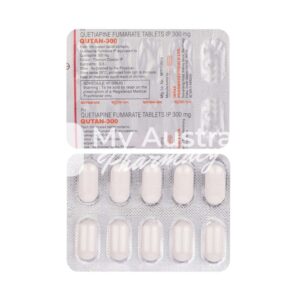
Seroquel
from
Aripiprazole
from
Wellbutrin
from
Zoloft
from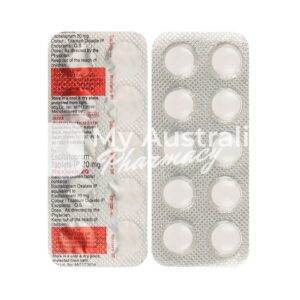
Escitalopram
from
Desyrel
from
Trazodone
from
Quetiapine
from
Citalopram
from
Amitriptyline
from
Lithium
from
Risperidone
fromUnderstanding Antidepressants: What You Need to Know
Antidepressants are medications prescribed to treat depression and various other mental health conditions. These medications work by adjusting chemical imbalances in the brain, particularly affecting neurotransmitters like serotonin, noradrenaline, and dopamine. Depression affects millions of Australians each year, and antidepressants form a crucial part of mental health treatment when combined with therapy and lifestyle changes.
The decision to take antidepressants is personal and should be made in consultation with your GP or psychiatrist. Different people respond differently to various medications, and finding the right one may take time. It’s important to understand that antidepressants are not addictive in the traditional sense, though some people may experience withdrawal symptoms if they stop taking them abruptly.
Types of Antidepressants Available in Australia
Selective Serotonin Reuptake Inhibitors (SSRIs)
SSRIs are the most commonly prescribed antidepressants in Australia. They work by increasing serotonin levels in the brain. Popular SSRIs available include sertraline, citalopram, escitalopram, fluoxetine, and paroxetine. These medications are often prescribed first-line due to their generally favourable side effect profile. They’re suitable for treating depression, anxiety disorders, and obsessive-compulsive disorder.
Serotonin-Noradrenaline Reuptake Inhibitors (SNRIs)
SNRIs such as venlafaxine and duloxetine work on both serotonin and noradrenaline. These medications are effective for depression and anxiety conditions. They’re often prescribed when SSRIs haven’t provided adequate relief or when additional symptom management is needed.
Tricyclic Antidepressants (TCAs)
Older antidepressants like amitriptyline and nortriptyline are still prescribed in Australia, particularly for chronic pain conditions combined with depression. While effective, they tend to have more side effects than newer medications, so they’re typically prescribed when other options are unsuitable.
Monoamine Oxidase Inhibitors (MAOIs)
MAOIs are less commonly prescribed due to dietary restrictions and potential interactions, but they remain available in Australia for treatment-resistant depression. These require careful monitoring and specific dietary guidelines.
Common Conditions Treated with Antidepressants
Antidepressants treat more than just depression. Major depressive disorder remains the primary indication, but these medications are also prescribed for a range of mental health and chronic conditions. Your healthcare provider will determine the most appropriate antidepressant based on your specific condition and medical history.
The versatility of antidepressants extends across multiple conditions that affect many Australians:
- Generalised anxiety disorder and social anxiety disorder
- Panic disorder and post-traumatic stress disorder
- Obsessive-compulsive disorder, which responds particularly well to certain SSRIs
- Chronic pain conditions, including fibromyalgia and neuropathic pain
- Premenstrual dysphoric disorder and menopausal mood symptoms
- Eating disorders, particularly bulimia nervosa
- Attention-deficit hyperactivity disorder, as part of comprehensive treatment
Starting Antidepressants: What to Expect
Beginning antidepressant treatment requires patience and realistic expectations. Most antidepressants take two to four weeks to show noticeable improvement in symptoms, though some people experience changes within one to two weeks. It’s crucial not to stop medication prematurely if you don’t notice immediate results.
Your GP will typically start you on a lower dose, gradually increasing it to therapeutic levels. This approach helps minimise side effects whilst allowing your body to adjust. Regular check-ins with your healthcare provider during the first few weeks are important to monitor your progress and any side effects.
Common initial side effects may include nausea, headaches, sleep disturbances, or sexual dysfunction. Most side effects improve within a few weeks as your body adjusts. Never adjust your dose or stop taking medication without consulting your doctor, as this can lead to withdrawal symptoms or relapse.
Side Effects and Safety Considerations
Like all medications, antidepressants can cause side effects, though many people tolerate them well. Sexual dysfunction and weight changes are common concerns. Nausea, dry mouth, and dizziness may occur initially. Most side effects are manageable and often diminish over time.
It’s important to inform your healthcare provider about all medications, supplements, and herbal products you’re taking, as interactions are possible. Antidepressants may interact with certain pain relievers, blood thinners, and other medications. Never combine antidepressants with illicit drugs or excessive alcohol.
Pregnancy and breastfeeding require special consideration. Some antidepressants are safer during pregnancy than others. Your healthcare provider will help weigh the risks and benefits if you’re planning pregnancy, pregnant, or breastfeeding.
Regular monitoring is essential, particularly during the first few months of treatment and whenever your dose changes. Australian healthcare providers follow strict guidelines to ensure safe antidepressant use and appropriate mental health support.
Managing Your Antidepressant Treatment Successfully
Success with antidepressants involves more than just taking medication. Combining pharmacotherapy with psychological therapy, such as cognitive-behavioural therapy, significantly improves outcomes. Regular exercise, adequate sleep, healthy nutrition, and stress management techniques complement medication effects.
Maintain open communication with your healthcare team about how you’re feeling and any concerns arising. Don’t hesitate to discuss side effects or effectiveness issues. Finding the right medication and dose sometimes requires adjustment and patience.
It typically takes six to twelve months of successful treatment before considering gradual dose reduction. Any changes should be made under professional guidance to prevent relapse or withdrawal symptoms. Your treatment plan should be individualised and regularly reviewed.
Remember that seeking help for depression is a sign of strength, not weakness. Antidepressants, combined with professional support and self-care, can significantly improve quality of life and mental wellbeing. Contact your GP, a psychiatrist, or a mental health service like Beyond Blue if you need guidance regarding antidepressant treatment or mental health support in Australia.