
Antifungals
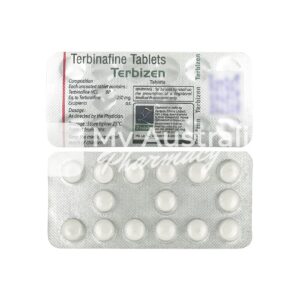
Terbinafine
from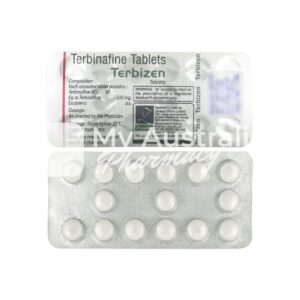
Tamsil
from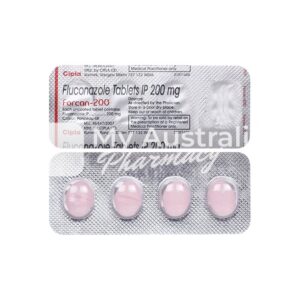
Diflucan
from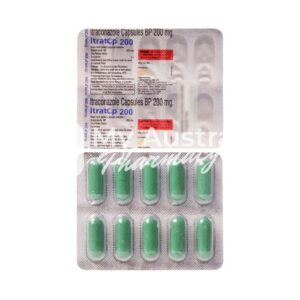
Itraconazole
from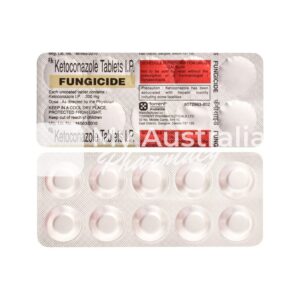
Nizoral
from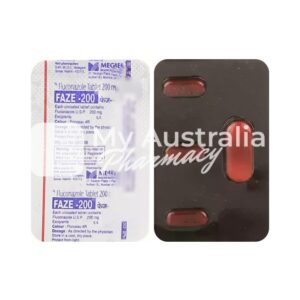
Fluconazole
from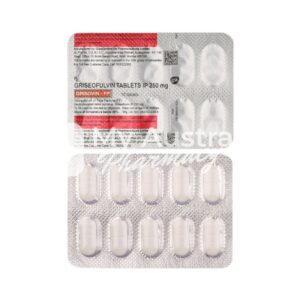
Grifulvin
from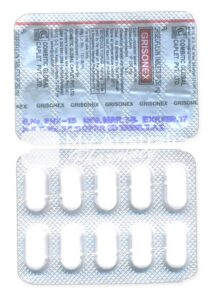
Grifulvin V
fromUnderstanding Antifungal Medications
Antifungal medications are pharmaceutical treatments designed to combat fungal infections in the human body. These infections can range from superficial skin conditions to serious systemic diseases that affect internal organs. Antifungals work by either killing fungal cells directly or stopping their growth and reproduction. The choice of antifungal treatment depends on the type of fungus involved, the location of the infection, and the severity of the condition.
In Australia, antifungals are available in various forms including tablets, creams, sprays, and injections, with many available both over-the-counter and by prescription. Understanding how these medications work helps patients use them effectively and achieve better treatment outcomes. Different antifungal classes target different types of fungi, so proper diagnosis is essential before starting treatment. Common antifungal classes include azoles, polyenes, allylamines, and echinocandins, each with specific applications and effectiveness profiles.
Topical Antifungals for Skin and Nails
Topical antifungal treatments are applied directly to the affected area and are most commonly used for skin and nail infections. These medications are ideal for localised fungal infections such as athlete’s foot, ringworm, candida rashes, and toenail fungus. Popular topical antifungals available in Australia include clotrimazole, miconazole, terbinafine, and tolnaftate creams.
Clotrimazole cream is widely used for various fungal skin infections and is available without prescription at most pharmacies. Miconazole is another effective over-the-counter option that provides broad-spectrum fungal coverage. Terbinafine cream and spray are particularly effective for treating fungal infections between the toes and other areas prone to moisture. For nail infections, stronger topical treatments like amorolfine nail lacquer may be prescribed by a doctor.
Topical antifungals generally have minimal side effects since they work locally on the skin rather than entering the bloodstream. Treatment duration typically ranges from two to four weeks, depending on the infection severity and the specific medication used. Patients should ensure the affected area is clean and dry before application for maximum effectiveness.
Oral Antifungals for Systemic Infections
Oral antifungal medications are taken by mouth and are used for more serious or widespread fungal infections that cannot be treated with topical applications alone. These systemic antifungals circulate through the bloodstream and can reach fungal infections affecting internal organs, nails, or severe skin conditions. Common oral antifungals available in Australia include fluconazole, itraconazole, terbinafine tablets, and ketoconazole.
Fluconazole is one of the most frequently prescribed oral antifungals in Australia for conditions such as candida infections, including thrush and vaginal yeast infections. It is available under various brand names and is often prescribed as a single-dose treatment for acute candida infections. Itraconazole is effective for nail infections and other systemic fungal conditions, typically requiring longer treatment courses. Terbinafine tablets are particularly effective for fungal nail infections and are usually taken for several weeks to months.
Oral antifungals may interact with other medications, so patients should inform their healthcare provider of all current medications before starting treatment. Side effects can include nausea, headache, and gastrointestinal upset, though serious side effects are relatively rare when used as directed.
Antifungals for Specific Conditions
Different fungal infections require targeted treatment approaches based on the causative organism and affected body area. Understanding which treatment works best for each condition ensures faster recovery and better outcomes.
- Candida infections (thrush) in the mouth, throat, or genital areas are treated with antifungal lozenges, rinses containing nystatin, topical creams, or oral fluconazole tablets
- Athlete’s foot responds well to topical antifungals such as terbinafine or tolnaftate applied twice daily to affected areas
- Ringworm of the body presents as circular patches and can be treated with topical azoles or allylamines
- Toenail fungus often requires systemic oral antifungals like terbinafine or itraconazole due to poor penetration of topical medications through the nail plate
- Pityriasis versicolor, a common yeast infection causing skin discolouration, responds to topical or oral azoles
- Serious systemic fungal infections such as cryptococcal meningitis or disseminated candidiasis require hospital-based treatment with intravenous antifungals
Proper diagnosis through fungal culture or microscopy ensures appropriate medication selection and optimal treatment outcomes.
Using Antifungals Safely and Effectively
Proper usage of antifungal medications ensures maximum efficacy and minimises potential side effects. Always follow the instructions provided with your medication, including dosage, frequency, and duration of treatment. For topical antifungals, apply the recommended amount to clean, dry skin and avoid covering the area with occlusive dressings unless specifically instructed.
Continue treatment for the full prescribed duration even if symptoms improve, as premature discontinuation can lead to infection recurrence. Oral antifungals should be taken with food or as directed to improve absorption and reduce gastrointestinal upset. Avoid touching the affected area with unwashed hands and wash hands thoroughly after applying topical treatments to prevent spreading the infection. Keep skin folds and areas prone to moisture as dry as possible, as fungi thrive in warm, moist environments.
If symptoms worsen or do not improve after two to four weeks of treatment, consult your pharmacist or doctor for reassessment. Inform your healthcare provider about any allergies, particularly to antifungal medications or related compounds. Pregnant women should seek medical advice before using antifungals, as some medications may not be suitable during pregnancy. People with liver disease or taking multiple medications should discuss antifungal use with their doctor due to potential drug interactions.
When to See a Healthcare Professional
Certain situations warrant professional medical evaluation before starting or during antifungal treatment. If you suspect a fungal infection but are unsure of the diagnosis, see your doctor for confirmation, as other conditions can mimic fungal infections. Severe or widespread infections covering large areas of the body should be assessed by a healthcare professional who can recommend appropriate systemic treatment.
Infections affecting the nails, scalp, or beard area often require prescription-strength antifungals or oral medications and benefit from professional guidance. If you have underlying health conditions such as diabetes, weakened immunity, or liver disease, consult your doctor before using antifungals. Pregnant or breastfeeding women should seek medical advice, as some antifungals are not recommended during these periods. If you are taking other medications, particularly warfarin, statins, or immunosuppressants, discuss potential interactions with your pharmacist or doctor.
Recurrent or persistent fungal infections despite appropriate treatment may indicate an underlying immune problem requiring investigation. Signs of severe allergic reactions such as rash, swelling, or difficulty breathing require immediate medical attention. Your pharmacist can provide valuable advice on over-the-counter antifungal selection and whether professional assessment is necessary for your particular situation. Regular follow-up after treatment completion helps confirm infection resolution and identifies any recurrence early.