
Antivirals
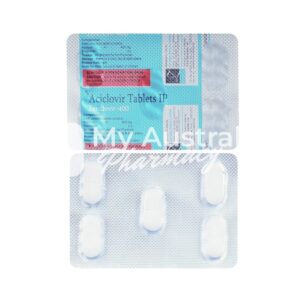
Aciclovir
from
Acyclovir Cream
from
Aldara
from
Chloroquine
from
Famvir
from
Hydroxychloroquine
from
Ivermectin
from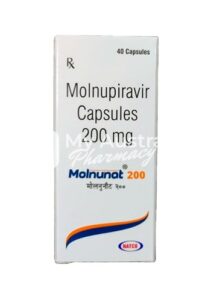
Molnupiravir
from
Symmetrel
from
Valtrex
fromUnderstanding Antiviral Medications
Antiviral medications are prescription and over-the-counter medicines designed to combat viral infections by stopping viruses from multiplying in the body. Unlike antibiotics that treat bacterial infections, antivirals work by interfering with the virus’s ability to replicate and spread to healthy cells. These medications have become increasingly important in modern healthcare, helping patients manage various viral conditions more effectively.
Antivirals can be taken orally as tablets or capsules, applied topically as creams, or administered intravenously in hospital settings. The effectiveness of antiviral treatment often depends on starting medication early when symptoms first appear. Healthcare professionals in Australia prescribe antivirals based on the specific viral infection, patient age, medical history, and potential drug interactions. Understanding how these medicines work helps patients use them correctly and achieve better health outcomes.
Herpes Simplex Virus Treatments
Herpes simplex virus infections affect millions of Australians, causing cold sores and genital herpes. Antiviral medications reduce symptom severity, speed up healing time, and decrease the frequency of outbreaks. Acyclovir is one of the most commonly prescribed antivirals available in Australia for treating herpes simplex infections. It comes in tablet form, typically taken three to five times daily during an outbreak.
Valacyclovir is another popular option that requires fewer daily doses, making it more convenient for patients. Famciclovir is also available in Australian pharmacies and works similarly to other herpes antivirals. These medications are most effective when started at the first sign of tingling or itching. For patients with frequent outbreaks, doctors may recommend daily suppressive therapy to reduce transmission risk and prevent recurrences. Topical creams containing acyclovir or penciclovir provide additional relief for surface lesions.
Most people tolerate these medications well with minimal side effects when used as directed. Key benefits of herpes antivirals include:
- Reduced duration of active outbreaks
- Decreased pain and discomfort
- Lower frequency of recurrent infections
- Reduced transmission risk to partners
- Prevention of serious complications
Influenza and Respiratory Viral Infections
Influenza remains a significant health concern in Australia, particularly during winter months. Antiviral medications for flu work best when started within 48 hours of symptom onset. Oseltamivir, commonly known as Tamiflu, is the most frequently prescribed flu antiviral in Australia. This medication comes in capsule form and is typically taken twice daily for five days.
Zanamivir is an alternative option available as an inhaled powder for patients who prefer this delivery method. Peramivir offers intravenous administration for patients unable to take oral medications. These antivirals reduce illness duration by approximately one day and decrease the risk of serious complications. High-risk groups including elderly patients, pregnant women, and those with chronic health conditions benefit significantly from early antiviral treatment.
Australian healthcare providers recommend annual flu vaccinations as the primary prevention method, with antivirals serving as treatment for confirmed infections. Some antivirals also provide post-exposure prophylaxis for people who have been in close contact with infected individuals.
Hepatitis C and Chronic Viral Infections
Hepatitis C represents a serious chronic viral infection affecting thousands of Australians. Modern antiviral treatments have revolutionised hepatitis C management, with cure rates now exceeding 95 per cent. Direct-acting antivirals form the foundation of current hepatitis C therapy in Australia. Sofosbuvir combined with various partner drugs provides effective treatment regimens lasting eight to twelve weeks.
Ledipasvir-sofosbuvir combination therapy targets multiple stages of the hepatitis C virus lifecycle. Daclatasvir works alongside other antivirals to create powerful treatment combinations. The Australian government subsidises these medications through the Pharmaceutical Benefits Scheme to improve patient access. Treatment success depends on medication adherence and regular monitoring by specialist doctors.
Patients must complete full treatment courses even if symptoms disappear early. These antivirals can prevent liver damage, cirrhosis development, and reduce hepatocellular carcinoma risk significantly. Modern hepatitis C treatments offer hope to patients previously facing limited therapeutic options.
COVID-19 and Emerging Viral Threats
The COVID-19 pandemic highlighted the importance of antiviral medications for emerging respiratory viruses. Antiviral treatments reduce severe disease risk, hospitalisation rates, and mortality in high-risk patients. Nirmatrelvir-ritonavir, marketed as Paxlovid, represents the most effective oral COVID-19 antiviral available in Australia. This combination therapy works best when started within five days of symptom onset in eligible patients.
Molnupiravir offers an alternative oral option for patients who cannot take Paxlovid due to drug interactions. Remdesivir remains available for hospitalised COVID-19 patients requiring intravenous antiviral therapy. The Therapeutic Goods Administration continues monitoring emerging variants and treatment effectiveness. Australian healthcare providers identify eligible patients and prescribe antivirals through established pathways. Access criteria prioritise older patients, immunocompromised individuals, and those with severe underlying medical conditions. Vaccination remains the primary COVID-19 prevention strategy, with antivirals serving as crucial treatment support.
Proper Use and Important Considerations
Using antiviral medications correctly ensures maximum effectiveness and minimises potential adverse effects. Always take antivirals exactly as prescribed by your healthcare provider regarding dose and frequency. Complete the full treatment course even when symptoms improve significantly. Missing doses reduces medication effectiveness and may contribute to antiviral resistance development.
Store antivirals according to package instructions, typically at room temperature away from moisture and direct sunlight. Inform your pharmacist about all medications, supplements, and herbal remedies to avoid dangerous interactions. Some antivirals may cause side effects including headaches, nausea, dizziness, or gastrointestinal upset. Most side effects are mild and resolve as treatment continues. Report severe or persistent side effects to your healthcare provider immediately.
Important considerations when using antivirals include:
- Take medications exactly as prescribed without skipping doses
- Complete the full treatment course even if symptoms improve
- Store medications correctly to maintain effectiveness
- Disclose all current medications to avoid interactions
- Discuss pregnancy or breastfeeding with your doctor
- Report any unusual side effects immediately
- Attend follow-up appointments for monitoring
Pregnant women should discuss antiviral use with their doctor before starting treatment. Antivirals are not suitable replacements for vaccines in preventing viral infections. Regular monitoring and follow-up appointments help healthcare providers assess treatment response and adjust therapy when needed. Our Australian pharmacists are available to answer questions about antiviral medications and ensure you understand proper usage instructions for optimal health outcomes.