
Hormones
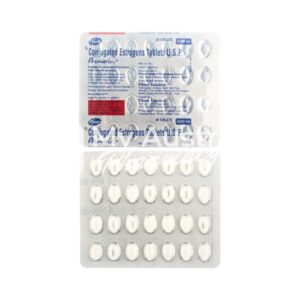
Conjugated Estrogens
from
Cytomel
from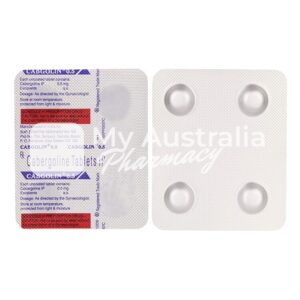
Dostinex
from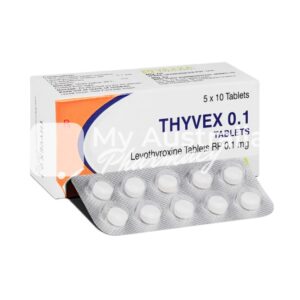
Eltroxin
fromUnderstanding Hormones and Their Role in Health
Hormones are powerful chemical messengers that regulate virtually every function in your body. They control growth, metabolism, reproduction, mood, and energy levels. These naturally occurring substances are produced by various glands throughout your body, including the pituitary gland, thyroid, adrenal glands, and reproductive organs. When hormone levels become imbalanced, it can lead to various health conditions requiring medical treatment.
Hormone replacement therapy and hormonal medications have become increasingly important in modern healthcare, helping millions of Australians maintain optimal health and quality of life. Understanding how hormones work and when supplementation is necessary is crucial for making informed decisions about your health. Many Australians turn to hormone-based medications to address deficiencies and manage age-related changes. These treatments can significantly improve symptoms and enhance overall wellbeing when prescribed appropriately by healthcare professionals.
Thyroid Hormones and Medications
The thyroid gland produces hormones essential for regulating metabolism and energy production. Thyroid disorders are common in Australia, affecting both men and women across all age groups. Hypothyroidism, where the thyroid doesn’t produce enough hormones, is treated with synthetic thyroid hormone replacement. The most commonly prescribed medication in Australia is levothyroxine, sold under brand names including Oroxine and various generic formulations. This medication effectively replaces missing thyroid hormones and normalises metabolism.
Symptoms of thyroid deficiency include fatigue, weight gain, dry skin, and cold sensitivity. Regular blood tests are necessary to monitor thyroid function and ensure correct medication dosing. Hyperthyroidism, the opposite condition, requires different treatment approaches. Some patients use antithyroid medications that reduce excessive hormone production. The thyroid affects nearly every bodily function, making proper treatment essential for maintaining energy, weight management, and mental clarity.
Sex Hormones and Reproductive Health
Sex hormones play vital roles in sexual development, reproduction, and overall health throughout life. Oestrogen and progesterone are primary female hormones, whilst testosterone is the primary male hormone, though both sexes produce all three. Women experiencing menopause often use hormone replacement therapy to manage hot flushes, night sweats, mood changes, and vaginal dryness. Popular HRT options in Australia include products containing oestrogen and progesterone combinations, available as tablets, patches, gels, and creams.
Hormone replacement therapy has been used for decades and remains a legitimate option for managing menopausal symptoms. Contraceptive pills containing synthetic versions of female hormones are widely used for birth control and managing menstrual irregularities. Conditions like endometriosis and polycystic ovary syndrome frequently require hormonal management. Men experiencing testosterone deficiency may benefit from testosterone replacement therapy, which helps restore energy, muscle mass, and sexual function. Fertility treatments often involve hormonal medications that regulate ovulation or sperm production. Proper hormone balance is essential for sexual health, bone strength, and cardiovascular function.
Adrenal and Corticosteroid Hormones
The adrenal glands produce several important hormones including cortisol, which regulates stress response and inflammation. Corticosteroid medications are synthetic versions of naturally occurring adrenal hormones used to treat inflammation, autoimmune conditions, and allergic reactions. Common Australian corticosteroid medications include prednisone, dexamethasone, and hydrocortisone in various forms including tablets, injections, and topical applications.
These powerful medications reduce swelling, suppress immune system overactivity, and provide relief from various conditions. Applications include:
- Rheumatoid arthritis and other autoimmune diseases
- Asthma and respiratory conditions
- Severe allergic reactions
- Eczema, psoriasis, and other skin conditions
- Chronic obstructive pulmonary disease
Short-term corticosteroid use is generally safe and highly effective, though long-term use requires careful monitoring. Topical corticosteroid creams are commonly used for eczema, psoriasis, and other skin conditions. Inhaled corticosteroids help control asthma and chronic obstructive pulmonary disease. Adrenal insufficiency, a rare condition where the adrenal glands don’t produce enough hormones, requires lifelong hormone replacement. Patients taking corticosteroids must never stop abruptly, as this can cause serious complications. Healthcare professionals carefully balance the benefits and potential side effects of these crucial medications.
Insulin and Glucose-Regulating Hormones
Insulin is a critical hormone produced by the pancreas that regulates blood sugar levels throughout the body. Type 1 diabetes occurs when the pancreas cannot produce sufficient insulin, requiring daily insulin injections or pump therapy. Type 2 diabetes involves insulin resistance where the body’s cells don’t respond adequately to insulin signals.
Australians with diabetes have access to numerous insulin types including rapid-acting, long-acting, and intermediate formulations. Modern insulin delivery systems include injectable pens, vials, and continuous infusion pumps offering flexibility and precision. Non-insulin medications like metformin, GLP-1 receptor agonists, and SGLT2 inhibitors help manage blood sugar through different mechanisms. These medications have revolutionised diabetes management, offering improved efficacy and additional health benefits including cardiovascular protection.
Regular blood glucose monitoring helps determine optimal treatment approaches. Poorly controlled blood sugar can lead to serious complications including nerve damage, kidney disease, and vision problems. Proper hormone balance through medication management is essential for preventing these complications. Modern diabetes care empowers patients to maintain excellent health and normal life expectancy.
Growth Hormone and Other Hormonal Treatments
Growth hormone regulates height, muscle development, bone density, and metabolic function throughout life. Children with growth hormone deficiency may receive growth hormone therapy to reach normal adult heights. Growth hormone replacement is also used in adults with deficiency to improve muscle mass, bone density, and energy levels. In Australia, growth hormone medications including somatropin are prescribed under strict medical supervision with regular monitoring through blood tests and clinical assessment.
Other important hormonal treatments include testosterone for male hypogonadism, which improves energy, mood, and sexual function. Parathyroid hormone and calcitonin regulate calcium levels and are used in osteoporosis treatment. Prolactin levels are managed through specific medications when hormonal imbalances occur. Melatonin supplements help regulate sleep-wake cycles and are available over-the-counter.
Thyroid disorders, hormonal imbalances, and age-related hormone deficiencies affect millions of Australians. All hormone-based medications require careful medical supervision and regular monitoring to ensure safety and effectiveness. Working with healthcare professionals ensures you receive appropriate treatment tailored to your individual needs and circumstances. Our pharmacy team is committed to helping you access the right hormonal medications and providing expert advice to support your health goals.