
Muscle Relaxants

Baclofen
from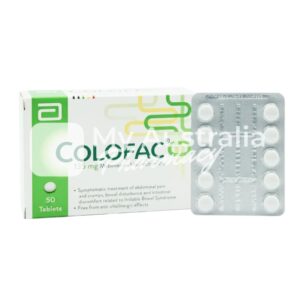
Colofac
from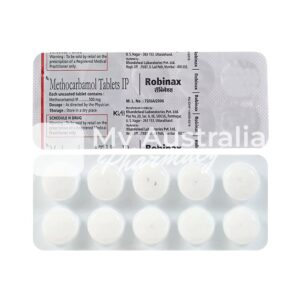
Robaxin
from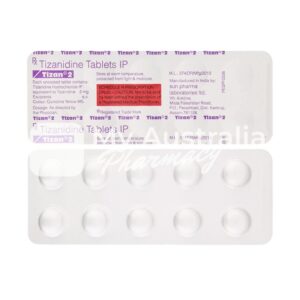
Zanaflex
fromWhat Are Muscle Relaxants and How Do They Work?
Muscle relaxants are medications designed to relieve muscle tension, spasms, and stiffness. These medicines work by affecting the central nervous system to reduce the signals that cause muscles to contract involuntarily. There are two main types: spasmolytics, which act directly on skeletal muscles, and antispastic agents, which work on the spinal cord and brain. They’re commonly prescribed for acute muscle injuries, chronic conditions, and post-surgical recovery. In Australia, these medications are available through prescription and are regulated by the Therapeutic Goods Administration (TGA). They provide relief by calming overactive muscles and reducing pain associated with muscular tension. Many Australians turn to muscle relaxants when experiencing discomfort from everyday activities, sports injuries, or medical conditions that affect mobility.
Common Conditions Treated with Muscle Relaxants
Muscle relaxants address various conditions affecting the musculoskeletal system. Lower back pain is one of the most common reasons Australians seek these medications, particularly for acute strains and herniated discs. Neck pain and whiplash injuries also respond well to muscle relaxant therapy. Fibromyalgia sufferers often find relief through these medications, as the condition causes widespread muscle pain and stiffness. Sports injuries, including muscle pulls and tears, frequently require muscle relaxants as part of recovery protocols. Post-operative pain following surgery often involves muscular tension that responds to these treatments. Multiple sclerosis patients may use specific muscle relaxants to manage spasticity.
Other conditions that benefit from muscle relaxant therapy include:
- Cerebral palsy
- Stroke recovery
- Tension headaches caused by neck and shoulder muscle tightness
- Muscle strains from repetitive strain injuries
- Generalised muscle tension and discomfort
Australian healthcare providers carefully assess each patient’s condition to determine if muscle relaxants are appropriate, considering both benefits and potential side effects for individual circumstances.
Popular Muscle Relaxant Medications Available in Australia
Several muscle relaxants are readily available to Australian consumers through prescription. Diazepam is a well-known benzodiazepine that provides muscle relaxation and anxiety relief, commonly prescribed for acute muscle spasms. Baclofen is another popular choice, particularly for spasticity related to neurological conditions and works well for both acute and chronic cases. Tizanidine offers effective short-term relief for muscle spasms without the sedative effects of some alternatives. Cyclobenzaprine is prescribed for acute musculoskeletal pain and works best for short-term use. Methocarbamol provides muscle relaxation with minimal side effects for many patients. Chlorzoxazone is used for acute muscle pain and offers relatively fast relief. Dantrolene sodium is prescribed for more serious muscle conditions and works differently than other relaxants by acting directly on muscle tissue.
Each medication has different onset times, duration of action, and potential side effects. Australian pharmacists and doctors work together to select the most appropriate medication based on individual patient needs, medical history, and other medications being taken.
How to Use Muscle Relaxants Safely and Effectively
Proper usage of muscle relaxants is essential for achieving best results and minimising risks. Always follow your healthcare provider’s dosage instructions carefully, as prescribed amounts vary depending on the specific medication and your condition. Most muscle relaxants are taken orally with or without food, though some require specific timing relative to meals. It’s important to start with the lowest effective dose, particularly when beginning treatment.
Never suddenly stop taking muscle relaxants without consulting your doctor, as this can cause withdrawal symptoms or rebound muscle tension. Combine medication with other therapies like physiotherapy, heat therapy, and stretching for optimal results. Avoid driving or operating machinery until you understand how the medication affects your alertness and coordination. Inform all healthcare providers about your muscle relaxant use, as they interact with various other medications. Store medications in a cool, dry place away from children and pets. Keep track of when you take doses to maintain consistency. If you miss a dose, take it as soon as possible unless it’s nearly time for your next dose. Most muscle relaxants work best when combined with rest and appropriate physical activity as recommended by your healthcare provider.
Potential Side Effects and Precautions
While muscle relaxants are generally safe when used as directed, they can cause side effects in some individuals. Drowsiness and dizziness are among the most common effects experienced by Australian users. Some people report headaches, particularly in the first few days of treatment. Nausea and stomach upset occasionally occur, though taking medication with food can help. Dry mouth is frequently reported and usually diminishes over time. More serious side effects can include liver function changes, allergic reactions, or unusual bruising or bleeding.
Certain populations require extra caution when using muscle relaxants. Pregnant women should discuss muscle relaxant use with their doctor before starting treatment. Those with liver or kidney problems may need dose adjustments or alternative medications. People with a history of substance abuse should inform their healthcare provider before using muscle relaxants, particularly benzodiazepine-based options. Elderly patients often experience stronger effects and require lower doses. Always report unusual symptoms to your doctor immediately. Avoid alcohol while taking muscle relaxants, as this combination increases drowsiness and impairs judgment. Inform your healthcare provider about all supplements and over-the-counter medications you’re taking.
When to See a Healthcare Provider About Muscle Relaxants
Consulting with a healthcare provider is essential before starting any muscle relaxant medication. If you experience muscle pain or tension lasting more than a few days, book an appointment with your GP or visit a local medical clinic. Serious symptoms like numbness, tingling, weakness, or loss of bowel or bladder control require immediate medical attention and aren’t typically treated with standard muscle relaxants. If over-the-counter pain relief and home remedies haven’t helped after one to two weeks, professional assessment is warranted.
Those with chronic muscle conditions should maintain regular check-ups to monitor how well their medication works and whether adjustments are needed. If you experience side effects that interfere with daily life, contact your healthcare provider to discuss alternative options. Australians taking multiple medications should have their pharmacist review all treatments to check for interactions with muscle relaxants. If you’re considering muscle relaxants for the first time, your doctor can conduct appropriate tests and assess whether this medication is suitable for your specific situation. Regular follow-up appointments help ensure the medication remains effective and appropriate for your ongoing needs. Don’t hesitate to seek professional advice if you have questions or concerns about your muscle relaxant therapy.