
Antiparasitic
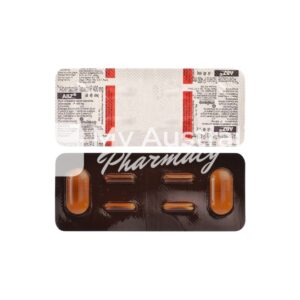
Albenza
from
Biltricide
from
Praziquantel
from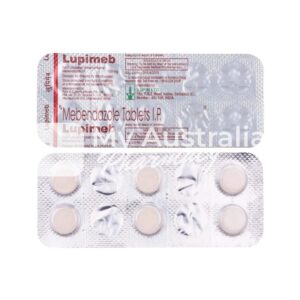
Vermox
from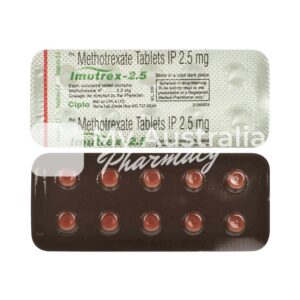
Rheumatrex
from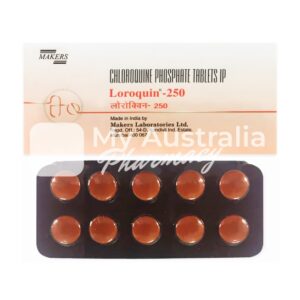
Chloroquine
from
Lyclear
from
Albendazole
from
Permethrin
from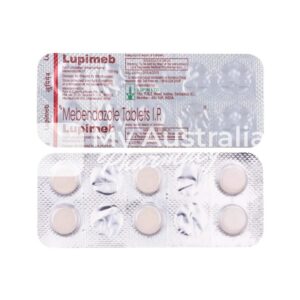
Mebendazole
fromUnderstanding Parasitic Infections
Parasitic infections are conditions caused by parasites living in or on the human body, feeding on nutrients and causing various health problems. These infections are more common than many people realise, affecting millions of Australians each year. Parasites can enter the body through contaminated food, water, insect bites, or direct contact with infected individuals. Common symptoms include digestive issues, fatigue, skin irritation, and nutritional deficiencies. Understanding the nature of these infections is the first step in seeking appropriate treatment.
Types of Parasitic Infections
There are three main categories of parasitic infections: protozoan infections, helminthic infections, and ectoparasitic infections. Protozoan parasites are single-celled organisms that can cause serious gastrointestinal issues. Helminthic infections involve worms such as roundworms, tapeworms, and hookworms. Ectoparasitic infections include conditions like scabies and lice infestations. Each type requires different treatment approaches and antiparasitic medications to be effectively managed and eliminated from the body.
Gastrointestinal Parasites and Treatment Options
Gastrointestinal parasites are among the most common parasitic infections in Australia. These parasites colonise the intestines and can cause abdominal pain, diarrhoea, constipation, and malabsorption of nutrients. Infections can occur from eating undercooked meat, consuming contaminated vegetables, or poor hygiene practices. Children and immunocompromised individuals are particularly vulnerable to these infections.
Common Medications Available in Australia
Several effective antiparasitic medications are available through Australian pharmacies. Your pharmacist or doctor can recommend the most suitable option based on your specific infection type:
- Albendazole is widely prescribed for treating roundworms, tapeworms, and hookworms
- Mebendazole is a popular broad-spectrum anthelmintic used for various worm infections
- Metronidazole is commonly used for protozoan infections such as giardiasis and trichomoniasis
- Pyrantel pamoate is effective against roundworms and hookworms and is often used in children due to its safety profile
- Praziquantel is specifically used for tapeworm infections and certain other parasitic conditions
Skin Parasites and Topical Treatments
Skin parasitic infections include conditions such as scabies, caused by the Sarcoptes scabiei mite, and lice infestations affecting the scalp, body, or pubic areas. These conditions cause intense itching, skin irritation, and can spread rapidly through close contact. Scabies and lice are particularly common in childcare settings, schools, and aged care facilities. Early diagnosis and treatment are essential to prevent further spread and alleviate discomfort.
Topical Antiparasitic Solutions
Permethrin cream is one of the most commonly used treatments for scabies in Australia, applied to the entire body and left overnight. Benzyl benzoate is another effective option available at Australian pharmacies for treating scabies and certain mite infestations. For lice infestations, products containing pyrethrin or permethrin are widely available and effective. Malathion lotion is prescribed for both head lice and body lice treatment. Many of these treatments require careful application and sometimes repeat treatments after one to two weeks to ensure complete eradication of parasites and their eggs.
Prevention and Hygiene Practices
Prevention is always better than treatment when it comes to parasitic infections. Maintaining good personal hygiene is crucial, including regular handwashing before eating and after using the toilet. In Australia, drinking tap water is generally safe, but when travelling to areas with questionable water safety, bottled or boiled water should be consumed. Food safety is paramount—ensure all meat is thoroughly cooked, and fresh vegetables and fruits are properly washed before consumption.
Practical Prevention Measures
Regular cleaning of household surfaces, particularly bathrooms and kitchens, helps prevent the spread of parasites. When travelling, especially to developing countries, be cautious about eating street food and unpeeled fruits. Avoid swimming in contaminated water bodies and ensure proper footwear when walking in areas where soil-transmitted parasites are prevalent. Pets should be treated regularly with antiparasitic medications to prevent transmission of parasites to household members. Children should be taught proper hygiene habits early, as they are more susceptible to parasitic infections due to exploratory behaviour and less developed hygiene practices.
When to Seek Medical Advice
Certain symptoms warrant immediate medical attention from your doctor or local healthcare provider. Persistent diarrhoea lasting more than a few weeks, severe abdominal pain, unexplained weight loss, or signs of anaemia may indicate parasitic infection. If you suspect parasitic infection, your doctor can perform appropriate tests such as stool samples or blood tests to identify the specific parasite involved. This is particularly important as different parasites require different treatments, and self-diagnosis can lead to ineffective treatment.
Specialist Consultations
If infections persist despite treatment or if you experience severe complications, referral to a gastroenterologist or infectious disease specialist may be necessary. Pregnant women, young children, and immunocompromised individuals should always consult their doctor before starting antiparasitic treatment, as certain medications may not be suitable. Your pharmacist is also an excellent resource for advice about antiparasitic medications, potential side effects, and drug interactions with other medications you may be taking.
Antiparasitic Products Available at Australian Pharmacies
Australian pharmacies stock a comprehensive range of antiparasitic medications suitable for various parasitic infections. Many antiparasitic medications are available without prescription, though some require a doctor’s prescription. Over-the-counter options include various formulations of topical treatments for scabies and lice, as well as some oral medications for intestinal parasites.
Professional Pharmacy Support
Your local pharmacist can provide valuable guidance on selecting the appropriate antiparasitic product for your needs. They can advise on correct dosage, application methods, and potential side effects. Many pharmacies also stock complementary products such as soothing creams for irritated skin following parasitic infections. When purchasing antiparasitic medications, always read the product information carefully and follow instructions precisely. If you experience any adverse reactions or if symptoms don’t improve after completing the recommended course of treatment, consult your healthcare provider promptly. Australian pharmacists are trained professionals ready to help you manage parasitic infections effectively and safely.