
Mental Disorders
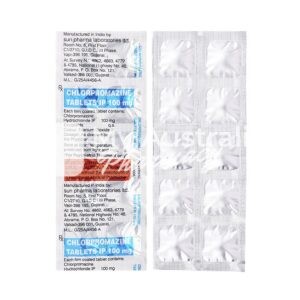
Largactil
from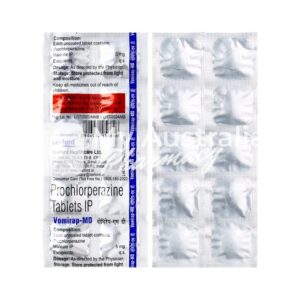
Compazine
from
Strattera
from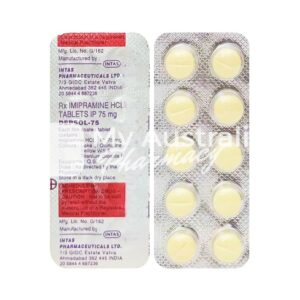
Imipramine
from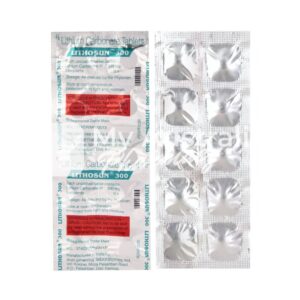
Lithium
from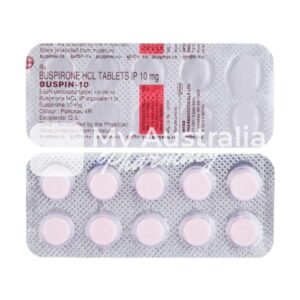
Buspar
from
Topiramate
fromDepression and Mood Disorders
Depression is one of the most common mental health conditions affecting Australians. It involves persistent feelings of sadness, hopelessness, and loss of interest in daily activities. Mood disorders encompass depression, bipolar disorder, and cyclothymia, each requiring different treatment approaches. Depression affects around one in five Australians at some point in their lives, making it a significant public health concern that deserves proper attention and care.
What Depression Treatment Is Used For
Treatment helps manage overwhelming sadness, restores emotional balance, improves sleep and appetite, and allows individuals to function in work and relationships. Medications work by adjusting brain chemicals that regulate mood, helping to lift the weight of depression and restore a sense of normalcy to daily life.
Available Medications in Australia
Common antidepressants include SSRIs like sertraline, citalopram, and escitalopram, which are often prescribed as first-line treatments. SNRIs such as venlafaxine and duloxetine are also widely available. Tricyclic antidepressants like amitriptyline remain effective for some patients. For bipolar disorder, mood stabilisers like lithium and valproate are commonly prescribed alongside antipsychotics.
Additional Information
Treatment typically combines medication with psychological therapy for the best outcomes. Most antidepressants take two to four weeks to show full effects, so patience is important during the initial treatment phase. Regular monitoring by healthcare providers ensures medications remain effective and side effects are manageable. Lifestyle changes including exercise, sleep routine, and social connection significantly support recovery and complement pharmaceutical treatment.
Anxiety Disorders
Anxiety disorders involve excessive worry, panic, and fear that interfere with daily life. Common types include generalised anxiety disorder, panic disorder, social anxiety, and specific phobias. These conditions cause physical symptoms like rapid heartbeat, sweating, and difficulty concentrating. Approximately one in four Australians experience an anxiety disorder during their lifetime, making it crucial to seek professional support when symptoms emerge.
What Anxiety Treatment Is Used For
Medications reduce excessive worry, prevent panic attacks, lower physical tension, and restore confidence in social situations. They help patients manage intrusive thoughts and regain control over their lives, allowing them to participate fully in work, education, and personal relationships.
Available Medications in Australia
SSRIs like paroxetine and sertraline are first-line treatments for anxiety disorders. Buspirone offers an alternative for generalised anxiety. Short-term benzodiazepines such as diazepam and alprazolam provide rapid relief during acute episodes, though long-term use is generally avoided due to dependency risks. Beta-blockers like propranolol manage physical symptoms in performance anxiety.
Additional Information
Cognitive behavioural therapy works effectively alongside medication. Regular exercise, meditation, and breathing techniques complement pharmaceutical treatment. Some people respond better to certain medications than others, so finding the right option may take time. Anxiety disorders are highly treatable, and most people see significant improvement with appropriate care and professional guidance.
Sleep Disorders and Insomnia
Sleep disorders significantly impact mental health and overall wellbeing. Insomnia involves difficulty falling asleep or staying asleep, whilst other disorders include sleep apnoea, restless leg syndrome, and narcolepsy. Poor sleep worsens depression and anxiety, creating a difficult cycle that affects physical and mental health. Sleep disorders affect approximately one-third of Australian adults, making them a widespread concern.
What Sleep Disorder Treatment Is Used For
Sleep medications restore normal sleep patterns, improve daytime functioning, reduce fatigue, and help break the cycle of sleep deprivation affecting mental health. Quality sleep supports emotional regulation and cognitive performance, helping individuals function optimally throughout their day.
Available Medications in Australia
Benzodiazepines like temazepam and nitrazepam are prescribed for short-term insomnia management. Non-benzodiazepine hypnotics such as zopiclone and zolpidem offer alternatives with lower dependency potential. Melatonin and melatonin receptor agonists like ramelteon help regulate sleep-wake cycles. Antidepressants with sedating properties, including amitriptyline and trazodone, treat insomnia in patients with depression.
Additional Information
Establishing good sleep hygiene is essential before starting medication. Key practices include:
- Maintaining consistent sleep and wake times each day
- Avoiding screens and bright lights before bedtime
- Creating a dark, cool, and quiet sleeping environment
- Limiting caffeine and heavy meals close to bedtime
- Engaging in relaxation techniques before sleep
Most sleep medications are intended for short-term use only. Healthcare providers recommend combination therapy with behavioural sleep medicine for best results. Sleep problems often improve as underlying anxiety or depression is treated.
Attention and Behavioural Disorders
Attention Deficit Hyperactivity Disorder (ADHD) and other behavioural conditions affect concentration, impulse control, and emotional regulation. These neurodevelopmental disorders often begin in childhood but frequently continue into adulthood, impacting work, education, and relationships. ADHD affects approximately five to ten percent of Australian children and three to five percent of adults.
What ADHD and Behavioural Disorder Treatment Is Used For
Medications improve focus and concentration, reduce impulsive behaviour, enhance emotional regulation, and allow better functioning in school and work environments. They help individuals with ADHD manage time, complete tasks, and maintain relationships with family and colleagues.
Available Medications in Australia
Stimulant medications including methylphenidate and dexamphetamine are primary treatments for ADHD. Extended-release formulations provide all-day coverage, reducing the need for multiple doses throughout the day. Non-stimulant options like atomoxetine and guanfacine offer alternatives for those who cannot tolerate stimulants. These medications increase dopamine and noradrenaline in the brain, improving attention and impulse control.
Additional Information
Diagnosis requires comprehensive assessment by specialists. Treatment often combines medication with behavioural therapy, educational support, and lifestyle modifications. Regular monitoring ensures optimal dosing and management of any side effects. Many people with ADHD develop coping strategies that complement their medication. Early identification and treatment significantly improve life outcomes.
Psychosis and Schizophrenia Spectrum Disorders
Psychotic disorders involve disruptions in thinking and perception, including hallucinations and delusions. Schizophrenia and related conditions are serious mental illnesses requiring professional medical management. These disorders significantly impact how individuals perceive reality and relate to others. Psychotic disorders affect approximately one percent of Australians, with onset typically occurring in late adolescence or early adulthood.
What Antipsychotic Treatment Is Used For
Antipsychotics reduce hallucinations and delusions, improve thought processes, restore reality perception, and allow individuals to function socially and occupationally. They prevent relapse and support long-term mental stability, enabling people to maintain employment or education.
Available Medications in Australia
First-generation antipsychotics like haloperidol and chlorpromazine remain available but are used less frequently due to side effects. Second-generation antipsychotics including risperidone, olanzapine, quetiapine, and aripiprazole are preferred treatments offering better tolerability. Long-acting injection formulations ensure medication compliance and are particularly effective for maintenance therapy.
Additional Information
Early intervention significantly improves outcomes. Treatment requires long-term medication combined with psychological support and rehabilitation. Family involvement in treatment planning improves success rates. Regular monitoring manages potential metabolic side effects. Many individuals with schizophrenia spectrum disorders achieve stability and maintain employment or education with appropriate treatment.
Stress, Trauma, and Adjustment Disorders
Post-traumatic stress disorder (PTSD), acute stress disorder, and adjustment disorders occur following significant life events or trauma. These conditions cause intrusive memories, avoidance behaviours, hyperarousal, and emotional distress affecting quality of life. Approximately one in twelve Australians will experience PTSD at some point in their lives.
What Trauma-Related Treatment Is Used For
Medications reduce anxiety and intrusive memories, improve sleep disrupted by nightmares, decrease hypervigilance, and allow emotional processing of traumatic events. Treatment supports recovery and prevents chronic disability, helping individuals rebuild their lives after trauma.
Available Medications in Australia
SSRIs like paroxetine and sertraline are first-line treatments for PTSD. These reduce re-experiencing symptoms and improve mood. Prazosin, an alpha-blocker, effectively reduces nightmares common in trauma survivors. Benzodiazepines provide short-term anxiety relief during acute phases. Tricyclic antidepressants like amitriptyline help manage associated insomnia and pain.
Additional Information
Trauma-focused cognitive behavioural therapy combined with medication provides optimal outcomes. Eye Movement Desensitisation and Reprocessing (EMDR) is another evidence-based therapy used alongside medication. Recovery takes time, and individual responses vary. Professional support from trauma specialists improves recovery rates. Social support networks play crucial roles in healing. With appropriate treatment, most trauma survivors achieve significant recovery and return to normal functioning.