
Women's Health
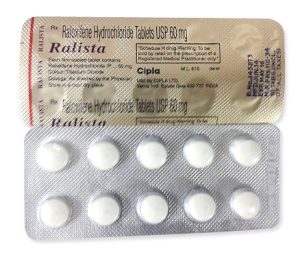
Raloxifene
from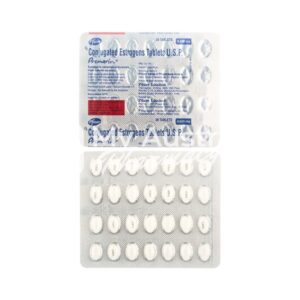
Premarin
from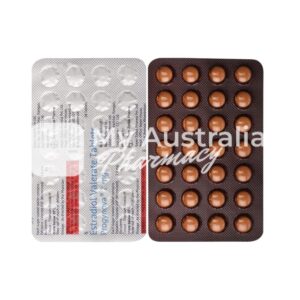
Estradiol
from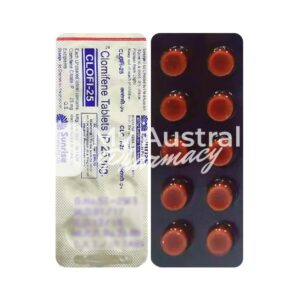
Clomiphene
from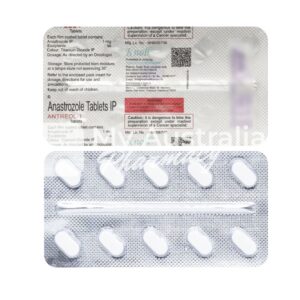
Anastrozole
from
Parlodel
from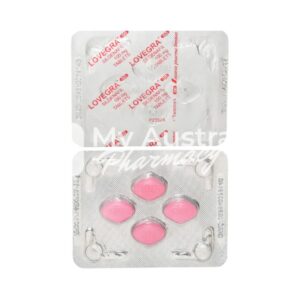
Lovegra
from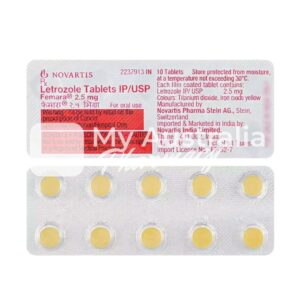
Femara
from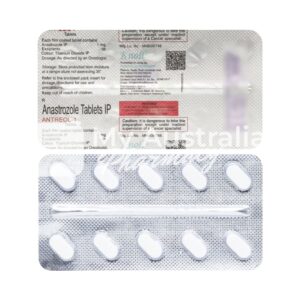
Arimidex
from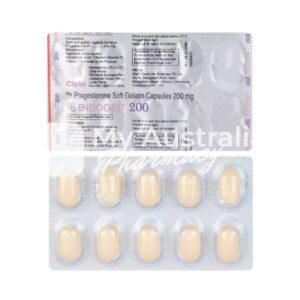
Prometrium
from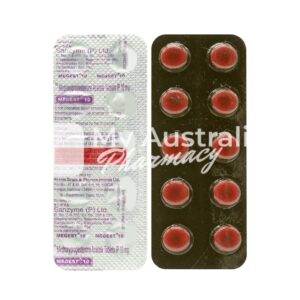
Provera
from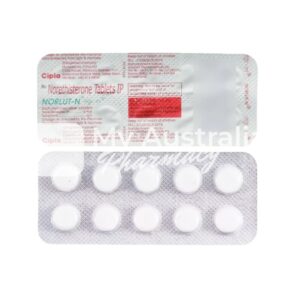
Primolut N
from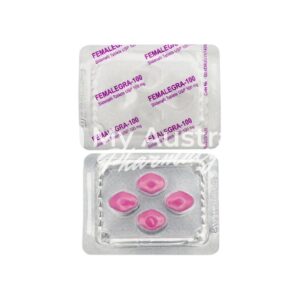
Female Viagra
from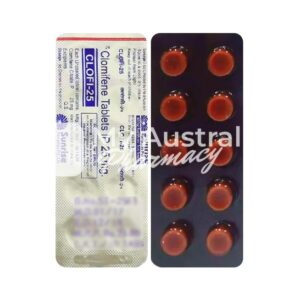
Clomid
from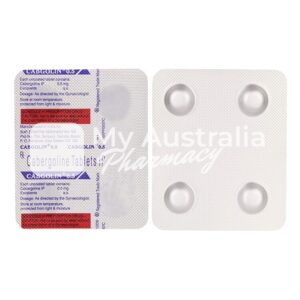
Dostinex
from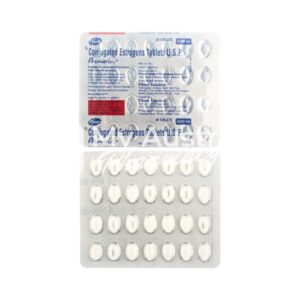
Conjugated Estrogens
fromContraception & Birth Control
Contraception plays a vital role in women’s reproductive health and family planning. There are numerous options available in Australia to suit different lifestyles, preferences, and medical requirements.
Oral Contraceptives (The Pill)
The contraceptive pill remains one of the most popular birth control methods among Australian women. These medications contain hormones that prevent ovulation, making pregnancy unlikely. Common brands available include Yasmin, Diane-35, and Microgynon. The combined pill contains oestrogen and progestin, whilst the mini-pill contains only progestin. Women should consult with their GP to find the most suitable option, as different formulations work better for different individuals.
Long-Acting Reversible Contraception
Intrauterine devices (IUDs) and hormonal implants offer extended protection without daily maintenance. The copper IUD Paragard can last up to 10 years, whilst hormonal options like Mirena provide 5 years of protection. These methods are highly effective and suitable for women who prefer a “set and forget” approach to contraception.
Barrier Methods
Condoms and diaphragms remain accessible options that also provide protection against sexually transmitted infections. These methods are available without prescription and offer flexibility for women who prefer non-hormonal alternatives.
Menstrual Health & Cycle Management
Understanding and managing your menstrual cycle is essential for overall wellbeing. Many Australian women experience various menstrual concerns that can be effectively addressed with appropriate treatments.
Period Pain Relief
Dysmenorrhoea, commonly known as period pain, affects a significant number of women. Over-the-counter medications like ibuprofen (Nurofen) and naproxen (Naproxen) provide effective relief by reducing inflammation. Paracetamol is also available for those who prefer alternative pain management. For severe cases, doctors may prescribe stronger options or recommend hormonal contraceptives that can reduce menstrual flow and associated discomfort.
Heavy Menstrual Bleeding
Menorrhagia, or excessively heavy periods, can significantly impact quality of life. Treatments include non-steroidal anti-inflammatory drugs, tranexamic acid (Cyklokapron), and hormonal options like the Mirena IUD. These medications work to reduce bleeding volume and duration, allowing women to manage their symptoms more effectively.
Irregular Periods
Irregular menstrual cycles can result from various factors including hormonal imbalances, stress, or underlying conditions. Hormonal contraceptives often help regulate cycles, whilst some women benefit from lifestyle modifications and nutritional support. Medical assessment is recommended to rule out underlying conditions requiring specific treatment.
Hormonal Health & Menopause
The menopausal transition represents a significant phase in women’s lives, bringing various physical and emotional changes that require appropriate management.
Menopausal Symptom Relief
Hot flushes, night sweats, and mood changes are common menopausal symptoms affecting many Australian women. Hormone replacement therapy (HRT) remains an effective treatment option, with various formulations available including tablets, patches, and gels. Popular options include Estradot patches and Premarin tablets. Non-hormonal alternatives like selective serotonin reuptake inhibitors (SSRIs) such as Sertraline are also available for women who cannot take HRT.
Bone Health During Menopause
Declining oestrogen levels during menopause increase osteoporosis risk. Calcium and vitamin D supplementation becomes increasingly important, with products like Ostelin D3 widely available. Regular weight-bearing exercise and dietary adjustments further support bone density maintenance during this crucial period.
Vaginal Health
Vaginal dryness and discomfort are common menopausal concerns affecting intimate health. Localised hormone therapies like Vagifem (oestrogen tablets) and Hyalo Gyn (hyaluronic acid) provide relief without systemic hormone exposure. Water-based lubricants offer convenient, non-medicated alternatives for everyday use.
Fertility & Pregnancy Support
Women planning pregnancy or requiring fertility support have access to various medications and supplements designed to optimise reproductive health.
Preconception & Pregnancy Vitamins
Prenatal vitamins containing folic acid are essential for women planning pregnancy and throughout gestation. Blackmores Pregnancy Iron & Folic Acid and Elevit are popular formulations available across Australian pharmacies. These supplements reduce the risk of neural tube defects and support healthy fetal development. Adequate folic acid intake is particularly important during the first trimester.
Fertility Support Supplements
Women undergoing fertility treatment often benefit from complementary support. Inositol supplements like Pregnositol support hormonal balance, particularly for those with PCOS. Coenzyme Q10 and vitamin D supplements have shown promise in supporting egg quality and overall reproductive function.
Pregnancy-Related Conditions
Gestational diabetes and pregnancy-induced hypertension require specific management. Medications must be carefully selected to ensure safety for both mother and developing baby. Healthcare providers work closely with pregnant women to maintain health whilst minimising risks to the pregnancy.
Urinary & Vaginal Health
Women’s urinary and vaginal health concerns are common and readily treatable with appropriate products and medications available in Australian pharmacies.
Urinary Tract Infections
Uncomplicated UTIs affect many women and can be effectively managed with antibiotics prescribed by healthcare providers. Cranberry supplements and D-mannose may help prevent recurrent infections, though evidence varies. Adequate hydration and proper hygiene practices remain fundamental prevention strategies.
Vaginal Infections
Candida albicans infections are common and treatable with antifungal medications. Over-the-counter options like Canesten cream and Diflucan tablets provide effective relief. Bacterial vaginosis may require prescription antibiotics prescribed by your doctor. Maintaining normal vaginal flora through appropriate hygiene and potentially probiotic supplements supports long-term vaginal health.
Intimate Hygiene Products
Gentle, pH-balanced cleansing products designed specifically for intimate areas help maintain healthy vaginal flora. These products support natural balance without disrupting the vagina’s protective environment, reducing infection risk and promoting comfort.
General Wellbeing & Women’s Wellness
Comprehensive women’s health extends beyond specific conditions to encompass overall wellbeing and preventative health measures.
Nutritional Support
Women’s nutritional needs vary throughout different life stages. Quality multivitamins and targeted supplementation support optimal health:
- Iron supplementation is particularly important for menstruating women to prevent anaemia
- Calcium supports bone health, especially as women age
- B-complex vitamins support energy levels and stress management
- Quality multivitamins designed specifically for women, such as Blackmores Women’s Energy or Swisse Women’s Ultivite, provide comprehensive nutritional support
Stress & Mood Management
Women often experience mood fluctuations related to hormonal cycles and life stressors. St. John’s Wort and magnesium supplements offer natural support for emotional wellbeing. In cases requiring stronger intervention, prescription options like SSRIs provide effective symptom management. Complementary approaches including exercise, meditation, and adequate sleep support mental health throughout all life stages.
Regular Health Screening
Preventative healthcare remains crucial for maintaining optimal women’s health. Regular cervical screening, breast examinations, and general health checks enable early detection of potential issues. Australian women aged 25-69 should participate in cervical screening programs. Maintaining open communication with healthcare providers ensures personalised care addressing individual health needs and concerns.